Freedom of expression
Can the state dismiss you for what you write on Facebook?

Whistleblowers expose breaches of the law and unacceptable conditions that would otherwise remain hidden. Here we explain what the law says about the right to blow the whistle and protection against retaliation – and tell the stories of the whistleblowers we follow.
Updated · By Justice for All Norway · Information about AI in our articles
Official description
Employees have the right to report unacceptable conditions in the workplace, under Chapter 2 A of the Working Environment Act (arbeidsmiljøloven). Retaliation against an employee who blows the whistle is prohibited. Workplaces with at least five employees must have whistleblowing procedures. The Whistleblowing Tribunal handles cases concerning retaliation.
Source: Lovdata (Working Environment Act, Chapter 2 A), the Norwegian Labour Inspection Authority, the Whistleblowing Tribunal
Answers to what people most often wonder about whistleblowing and protection against retaliation, with the law step by step and the experiences of our members.

Rules and advice

Rules and advice

Rules and advice

Rules and advice

Rules and advice

Rules and advice
Section 2 A-1 of the Working Environment Act (arbeidsmiljøloven) gives employees the right to report reprehensible conditions. This may include danger to life or health, corruption, abuse of authority, unsafe working environments or breaches of data protection rules.
You may always report internally, to a union representative or safety representative, and to supervisory authorities and other public bodies. You may also report externally to the media or the public, if you have a genuine belief in the content, the whistleblowing concerns matters of public interest, and you have first reported internally or have reason to believe that internal reporting would not be appropriate.
Statements about your own working conditions, such as disagreements with a manager, are generally not considered whistleblowing unless they also concern a reprehensible condition.
Retaliation against a whistleblower is prohibited. This includes threats, harassment, unfair discrimination, social exclusion, dismissal and other adverse actions. If you present information giving grounds to believe you have been subjected to retaliation, it is the employer who must show that this has not occurred.
Anyone subjected to retaliation may claim compensation and redress. The Whistleblowing Committee can consider such cases, both in the private and public sectors, as an alternative to the courts.
Public employees also have freedom of expression under Article 100 of the Constitution of Norway (Grunnloven), and the state has its own rules in the Civil Service Act (statsansatteloven). You can read why we believe the Civil Service Act must also be amended under the Ministry of Justice and Public Security.
Read your organisation’s whistleblowing procedures. Write down what you have seen, when, and who was involved. Stick to the facts, and distinguish between what you know and what you believe. Keep documentation in a lawful manner.
Report in writing and ask for confirmation that your report has been received. Seek support from a union representative or lawyer early on. And take care of yourself: Many whistleblowers say the hardest part was not speaking out, but what came afterwards.
Police whistleblower Vigdis Bollerud is one of the whistleblowers we have followed most closely. She tells her story in “When the police go to war against the population”. Her case has led to both an investigation of herself and an employment tribunal case, which you can read about in “The whistleblower investigated for a thumbs up” and “Sold out in Kongsberg – while the whistleblower is investigated”.
She has also answered questions from the podcast Avhørt, in part 1 and part 2. Her case has its own page under Cases, and is closely linked to the police and the investigation.
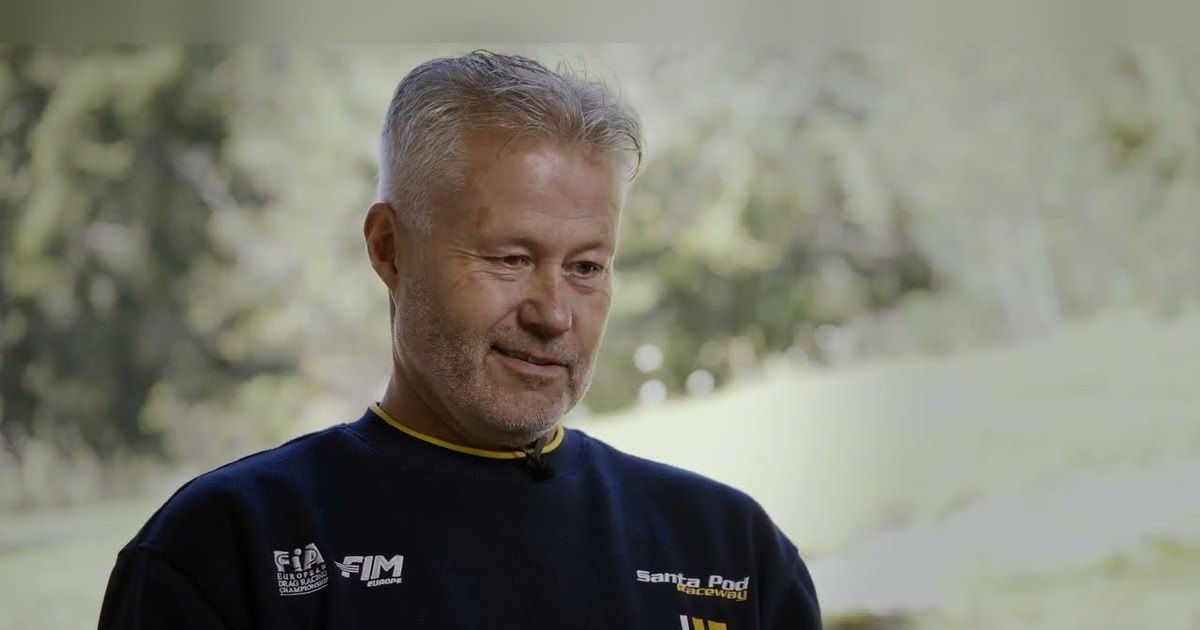
Helge Andersen has for more than 20 years warned of serious weaknesses in brake testing of heavy vehicles. He and the professionals he works with believe the roller tests are unstable, and that drivers are blamed for accidents where the fault lies in the testing. The series starts with “Brake Deaths” and continues in part 2 and part 3.
The question of whether the drivers were convicted on the wrong basis also belongs under miscarriages of justice and reopening.
In “A whistleblower’s struggle” Siri Ann Moen talks about reporting violence against a resident at an institution in Bergen municipality. In “When the municipality takes the messenger instead of the message” you meet Ida Schrøder, who was a nurse and safety representative in Nesodden municipality. Accountant Gro Ødegård reported irregularities in the accounts at an employer, and tells her story in “The mouse’s fight against Goliath”. And in “The Whistleblower” you meet the economist Per-Yngve, who spoke out about conditions in Siemens.
All cases concerning whistleblowing are listed below.
Employees in the state and municipalities have the same rights under the Working Environment Act (arbeidsmiljøloven) as those in private companies. In addition, they have broad freedom of expression under Article 100 of the Constitution of Norway (Grunnloven). They may participate in public debate, including about matters at their own workplace, as long as they do not breach their duty of confidentiality.
Many of the whistleblower stories we have documented originate from the public sector: the police, municipalities and supervisory authorities. When those being scrutinised are also those handling the whistleblowing, independence becomes particularly important. Justice for All Norway believes that reports concerning the police and the prosecuting authority (påtalemyndigheten) should be handled by a body outside the agency concerned.
Research and our own cases point in the same direction: Many whistleblowers experience repercussions long after they have spoken out. This may include ostracism, reassignment, sick leave or a lengthy legal process. Some even find themselves under investigation.
This is why we document whistleblower stories. When the same patterns recur from one agency to another, these are no longer isolated incidents.
Write down what happens, with dates and names, and keep emails and messages. Notify your employer in writing that you consider it to be retaliation. Contact your trade union representative or a lawyer. You may bring the matter before the Whistleblowing Tribunal (Varslingsnemnda) or the courts, and claim compensation and redress.
Remember that the deadlines for taking legal action can be short, especially if you have been dismissed. Seek advice early.
Our whistleblower stories are closely linked to the cases concerning the police, public administration and miscarriages of justice. Many whistleblowers in the public sector encounter the same mechanisms: The matter they reported is left unresolved, while they themselves become the subject of investigations.
Justice for All Norway believes that whistleblowers must have their cases handled independently, and that there must be consequences when retaliation is proven. All whistleblowing cases are listed below.
Enterprises with at least five employees must have written whistleblowing procedures, drawn up in cooperation with staff. The procedures must state how to blow the whistle, who receives the report, and how it will be followed up. The employer is obliged to investigate the report within a reasonable time. Ask for the procedures if you do not know where they are. The procedures must be easily accessible to all employees, and agency workers are also entitled to report concerns about the hirer. If procedures are lacking, you may still blow the whistle – the right derives from the law, not from the procedures.
Raising concerns about unacceptable conditions in the workplace, for example breaches of the law or risks to life and health.
Yes. Retaliation is prohibited, and the employer must demonstrate that retaliation has not occurred if you present information indicating that it has.
The tribunal handles cases of retaliation against whistleblowers and can, among other things, award compensation.
Yes, under certain conditions: You must act in good faith, the matter must be of public interest, and you should usually have reported it internally first.
38 articles, newest first.
Freedom of expression
The courts

Witness in court

Rules and advice
Whistleblowing in the police

Rules and advice
Rules and advice
Rules and advice
Whistleblowing and language
Rules and advice
Rules and advice
Whistleblowing in the police
The Storting

Impartiality

Whistleblower protection

Recordings in court

Podcast

Podcast

Film interview
Comment

News

News

Short episode
Podcast

Advice
News
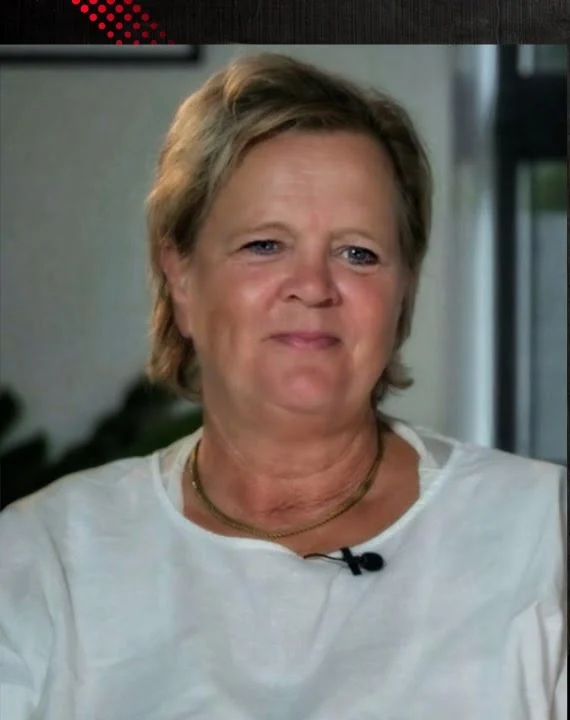
Gunnar Waagestad
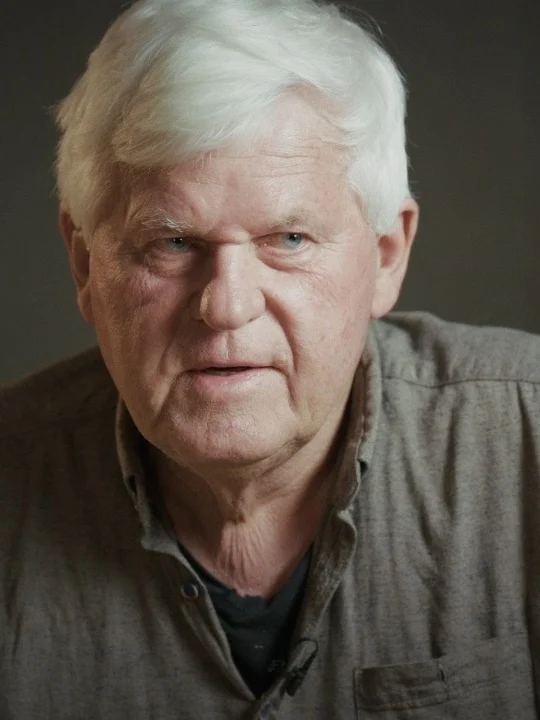
Helge Andersen

Leif Morten Larsen

Per Yngve Monsen

Helge Andersen

Film interview
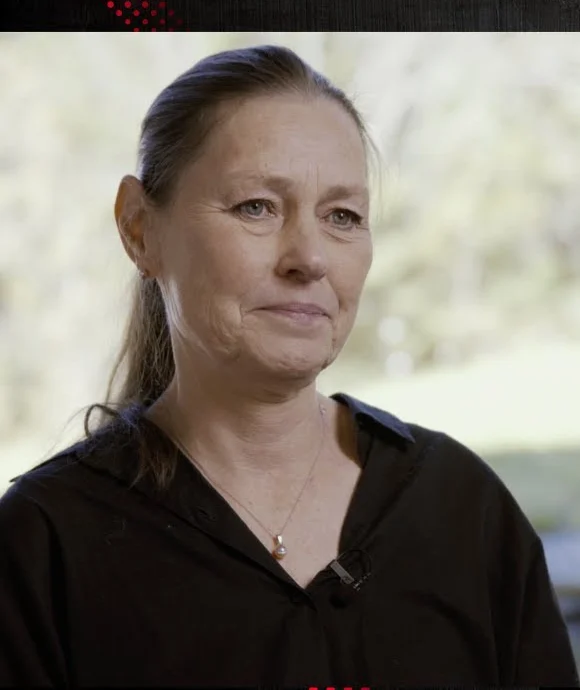
Siri Ann Moen

Accountant Gro Ødegård

Police whistleblower Vigdis Bollerud
The case

The case
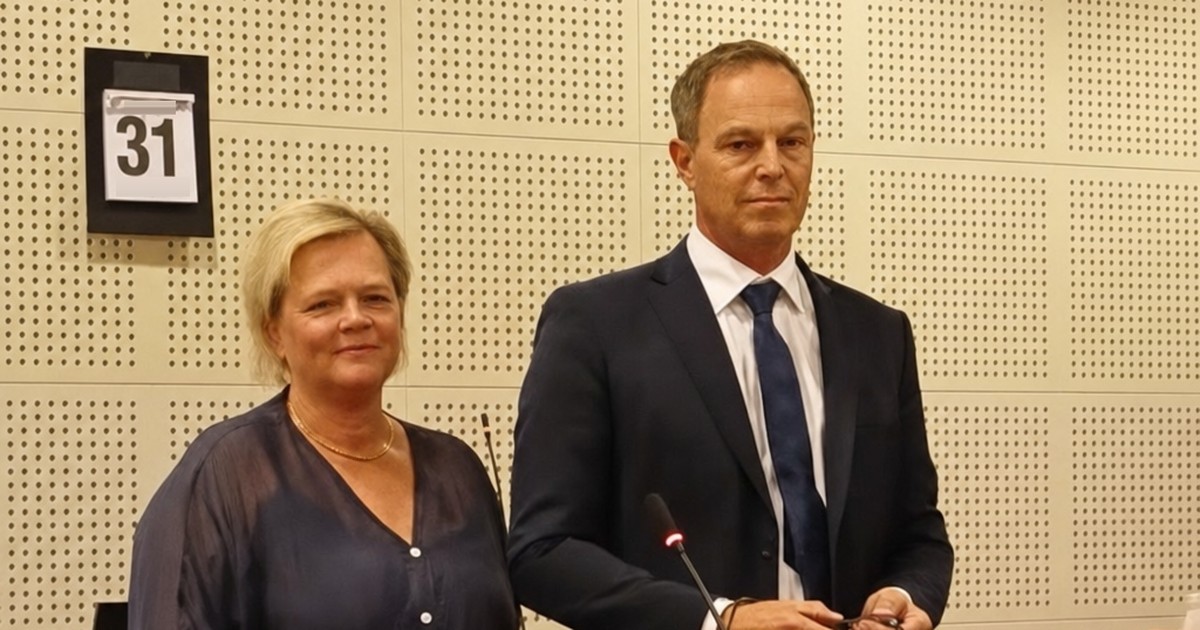
The case