Opinion
A society gone astray when children's safety does not come first
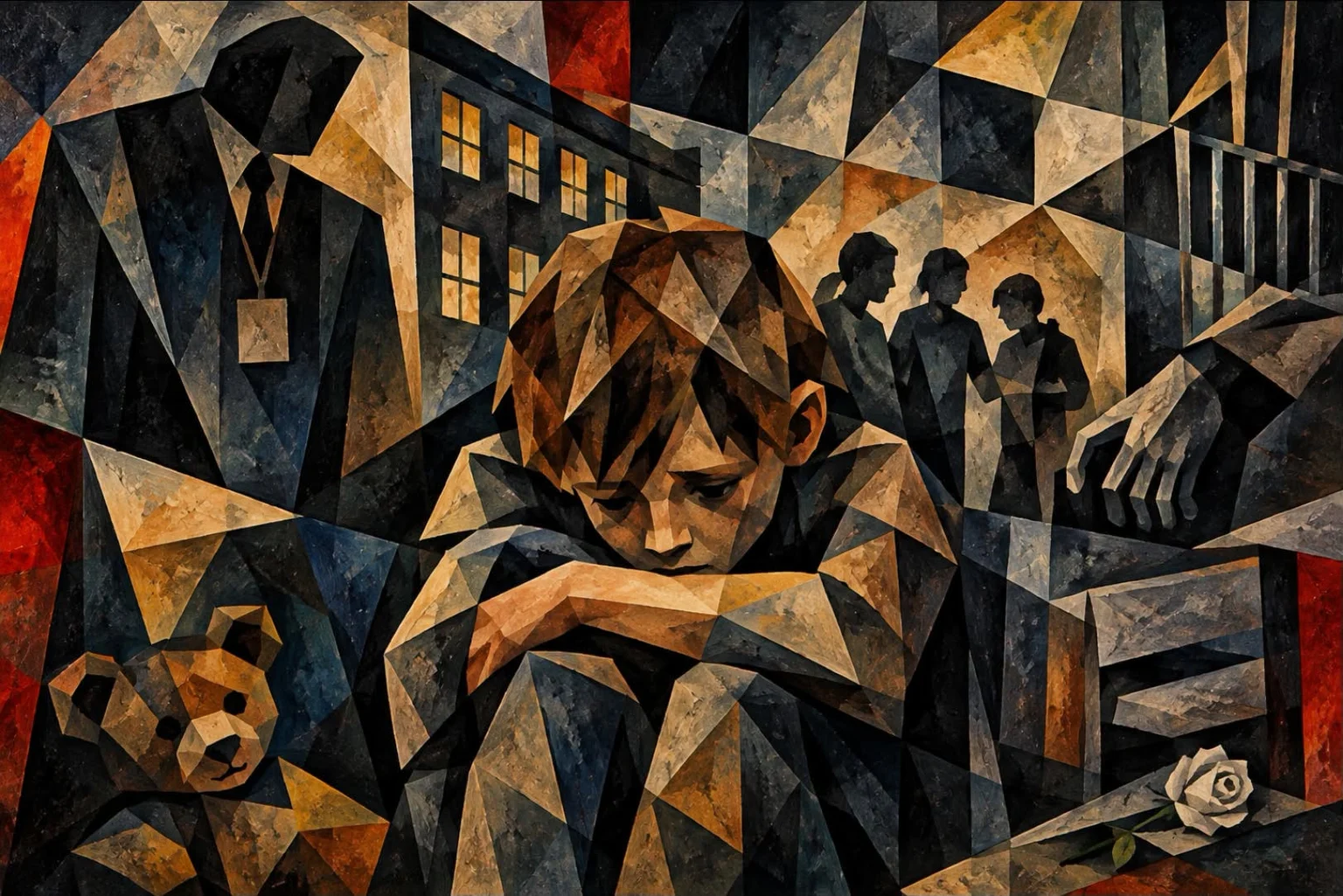
Few encounters with the public authorities are as intrusive as a child welfare case. Here we explain how a case moves from a report of concern to the tribunal and the courts, what rights children and parents have – and how to complain about the child welfare service.
Updated · By Justice for All Norway · Information about AI in our articles

Official description
The Child Welfare Service (Barnevernet) is intended to protect children from neglect and provide help to families that need it. The service operates under the Child Welfare Act (barnevernsloven), which entered into force on 1 January 2023. The municipal child welfare service is responsible for each individual case. Decisions on care orders are made by the Child Welfare Tribunal (barneverns- og helsenemnda), and may be brought before the district court.
Source: Bufdir.no, Lovdata (the Child Welfare Act (barnevernsloven))
Answers to what people most often wonder about the Child Welfare Service (Barnevernet), with the law step by step and the experiences of our members.

Rules and advice

Rules and advice

Rules and advice

Rules and advice
Rules and advice

Rules and advice

Rules and advice

Rules and advice

Rules and advice

Rules and advice

Rules and advice

Rules and advice

Rules and advice

Rules and advice

Rules and advice

Rules and advice

Rules and advice

Rules and advice

Rules and advice

Rules and advice

Rules and advice

Rules and advice

Rules and advice

Rules and advice

Rules and advice

Rules and advice

Rules and advice

Rules and advice

Rules and advice

Rules and advice

Rules and advice

Rules and advice

Rules and advice

Rules and advice

Rules and advice

Rules and advice

Rules and advice

Rules and advice

Rules and advice

Rules and advice

Rules and advice

Rules and advice

Rules and advice

Rules and advice

Rules and advice

Rules and advice

Rules and advice

Rules and advice

Rules and advice

Rules and advice

Rules and advice

Rules and advice

Rules and advice
Rules and advice

Rules and advice

Rules and advice

Rules and advice

Rules and advice

Rules and advice

Rules and advice
Rules and advice

Rules and advice

Rules and advice

Rules and advice

Rules and advice

Rules and advice

Rules and advice

Rules and advice

Rules and advice

Rules and advice

Rules and advice

Rules and advice

Rules and advice

Rules and advice

Rules and advice

Rules and advice

Rules and advice

Rules and advice

Rules and advice

Rules and advice
Rules and advice

Rules and advice

Rules and advice

Rules and advice

Rules and advice

Rules and advice
Rules and advice

Rules and advice

Rules and advice

Rules and advice

Rules and advice

Rules and advice

Rules and advice

Rules and advice

Rules and advice

Rules and advice

Rules and advice
Rules and advice
Rules and advice

Rules and advice

Rules and advice

Rules and advice

Rules and advice

Rules and advice

Rules and advice

Rules and advice
Rules and advice

Rules and advice

Rules and advice

Rules and advice

Rules and advice

Rules and advice

Rules and advice

Rules and advice

Rules and advice

Rules and advice

Rules and advice

Rules and advice

Rules and advice

Rules and advice

Rules and advice

Rules and advice

Rules and advice

Rules and advice

Rules and advice

Rules and advice

Rules and advice

Rules and advice

Rules and advice
A child welfare case often begins with a report of concern from a school, nursery, child health clinic, the police or others. The child welfare service must review the report and decide whether it should be investigated.
An investigation must be carried out as soon as possible and, as a general rule, within three months. The child welfare service gathers information, speaks with the child and the parents, and may obtain information from others. You have the right to see the documents and to make a statement.
After the investigation, the case may be dropped, or the family may receive support measures, such as guidance or respite care. In the most serious cases, the child welfare service may apply for a care order before the Child Welfare Tribunal. In acute situations, the child may be moved immediately under a temporary decision, which must be reviewed by the tribunal.
The Child Welfare Tribunal (formerly the County Social Welfare Board for Child Welfare and Social Affairs) is an independent, court-like body. The tribunal consists of a tribunal chair with a legal background and often an expert member and a lay member. Parents have the right to a lawyer, and free legal aid is granted without means testing.
A care order is one of the most intrusive decisions the state can make. It must only happen when it is necessary, and when support measures are not enough. Lawyer Barbro Paulsen describes how this feels from the inside in “A Child Welfare Service gone astray”.
The tribunal’s decision may be brought before the district court, and then appealed to the court of appeal. But the courts often review only part of the case afresh. We have raised this in “Who controls the Child Welfare Service’s discretion?”.
After a care order, children and parents are generally entitled to contact. The tribunal determines the extent of that contact. The aim must be reunification when it is in the child’s best interests – that was the core of the European Court of Human Rights’ Grand Chamber judgment in Strand Lobben v Norway from 2019.
Parents may ask for the case to be reopened and for the child to be moved back. The child welfare service must regularly assess whether the care order is still necessary.
What you do depends on what you disagree with. If it is an individual decision by the child welfare service, for example concerning support measures, you can complain to the County Governor. The deadline for complaints is three weeks. If it concerns a decision by the tribunal, you bring the case before the district court.
If you are dissatisfied with the case handling – because you do not receive a reply, are not heard or are not given access to documents – you can ask the County Governor to carry out supervision. The County Governor supervises the municipalities’ child welfare services. You can see what may happen in the case about the child welfare manager who was criticised by the County Governor (Fylkesmannen, now Statsforvalteren).
Always write down what happens, keep all documents, and ask for access to the entire case file. That is the basis for everything else.
The child has the right to participate in all matters that concern them. This is set out in the Child Welfare Act (barnevernsloven), in Article 104 of the Constitution of Norway (Grunnloven) and in Article 12 of the UN Convention on the Rights of the Child. Even so, many children say they were not listened to. We have written about this in “Children who speak out have the right to be taken seriously”.
Some children have taken matters into their own hands. In “When children invoke necessity to come home” you meet the brothers in Sarpsborg. Tonje Omdahl talks about her own childhood in “The child welfare child who became an activist”.
According to the Norwegian National Human Rights Institution, by September 2026 the European Court of Human Rights had decided 31 Norwegian child welfare cases, and in 25 of them found that Norway had violated the right to family life under Article 8 of the European Convention on Human Rights (ECHR). The Supreme Court followed up with three Grand Chamber decisions in 2020, and a new Child Welfare Act entered into force in 2023.
We have reviewed the figures in “Found in violation 25 times in Strasbourg” and looked at how the case appears from abroad in “The Child Welfare Service the world sees”. You can find more about human rights under human rights and the ECHR.
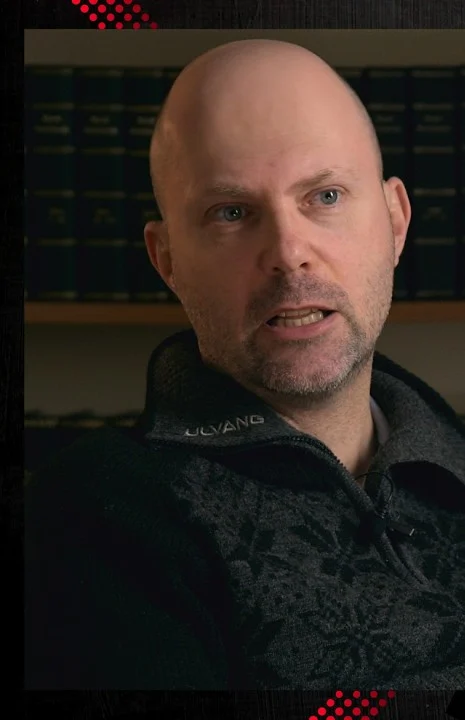
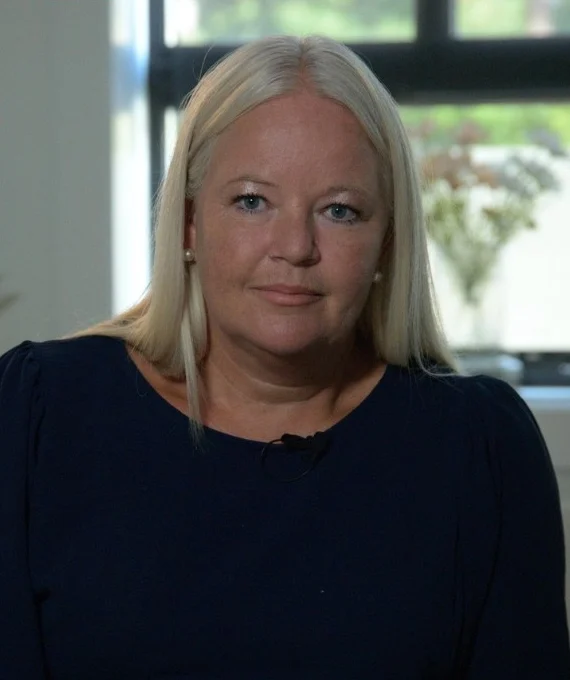
The Lillian Gran case is one of the most extensive cases the association has documented. You will find the film interview “Lion mother” and the detailed case review, and her lawyer speaks in “The lawyer criticises the Child Welfare Service and the courts in the Lillian Gran case”. All the cases about the Child Welfare Service are listed below.
For most people, it starts with a letter or a phone call. Take it seriously, but do not panic. Ask to be told what the concern is about, and who is responsible for the case. Write down what is said, and ask for minutes from meetings.
You have the right to see the documents in your case, and to have incorrect information corrected. Contact a lawyer early, especially if the child welfare service is considering measures you disagree with. During the investigation phase, legal costs are not always covered by the public authorities, but many lawyers will give an initial assessment.
Many parents say they agreed to measures they did not understand, or that they were provoked into reacting strongly in meetings that were later used against them. Take your time. You have the right to think things over, to ask for matters in writing, and to bring a supporter with you.
Read the minutes from meetings and say in writing if anything is wrong. What is written in the documents is what others will read later – in the tribunal and in court.
What you can expect from your lawyer in a child welfare case is explained under lawyers and free legal aid. Cases that end up in the courts follow the rules we describe under the courts and the judges.
Individual decisions may be appealed to the County Governor (Statsforvalteren) within three weeks. Decisions by the tribunal are brought before the district court. Dissatisfaction with case handling may be reported to the County Governor as the supervisory authority.
The new name, from 2023, for the County Social Welfare Board (fylkesnemnda). The tribunal decides, among other things, cases concerning care orders.
The right to be heard, to access the documents, to reasoned decisions, to complain and – in cases before the tribunal – to a lawyer at no personal cost.
As a general rule, no more than three months. In special cases, the deadline may be extended.
Yes, parents may request that the case be reconsidered. Reunification should be the aim when it is in the child’s best interests.
46 articles, newest first.
Opinion
Rules and advice
Rules and advice
Rules and advice
Rules and advice
Rules and advice
Rules and advice
Rules and advice
Rules and advice
Rules and advice
Rules and advice
Rules and advice
Rules and advice
Rules and advice
Rules and advice
The Child Welfare Service

Rules and advice
Rules and advice
Rules and advice
The Child Welfare Service

The Child Welfare Service

Rules and advice
The Child Welfare Service

Rules and advice
Rules and advice
Rules and advice
Comment

News
News
News
The Nobel Peace Prize

Lawyer Barbro Paulsen

Background
Interview

Film interview
Film interview

News
News
Tonje Omdahl

Film interview
Lillian Gran
Film interview
Film interview
The Child Welfare Service
Analysis

Lillian Gran versus the Child Welfare Service