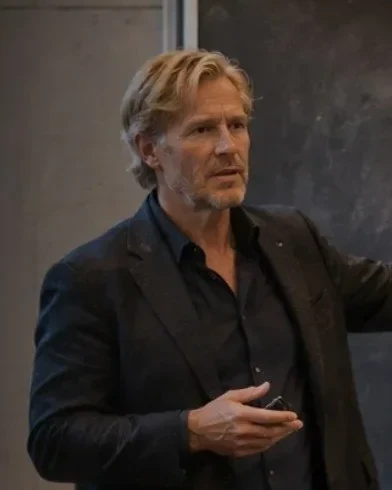
Psychologist Kristin Tollan – with ties to Lillian Gran’s former network – is disqualified
According to information in the case, it is psychologist Kristin Tollan who is to carry out the psychological evaluation of Lillian. Tollan is a friend of psychologist Ulrika Håkansson.
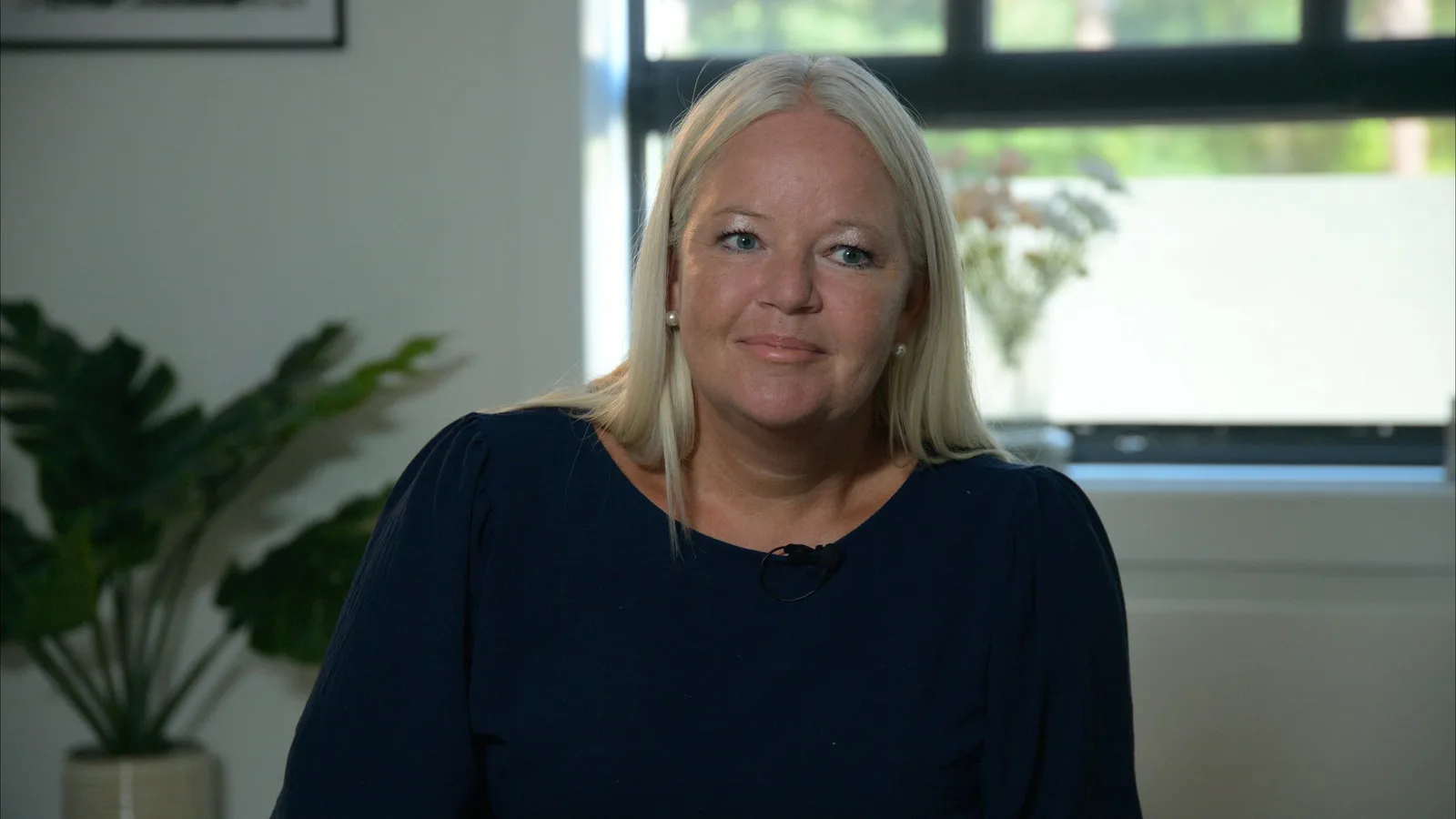
Håkansson is no random professional in this context. She is a former colleague of Lillian Gran at Inland Norway University of Applied Sciences, Lillehammer campus, and according to the documents they were in contact about both private matters and research. This happened during a period when Lillian was in the middle of a separation from the children’s father. In other words: Håkansson has had insight into Lillian’s personal life and situation at a very vulnerable time. Johansson used Lillian as a kind of anonymous case in the research she was writing at the time, without this having been cleared with Lillian. This means that others in the university college community have also read about details of Lillian’s case, and even though she is anonymised, many will of course realise who it concerned. It is reasonable to assume that Tollan has also read this study.
Why Kristin Tollan is disqualified
Disqualification is not only about someone having a direct friendship or family relationship with the person being examined. It is also about there having to be confidence that the expert can make an objective assessment without ties to people who already have a relationship to the case.
In this case the problem is twofold:
First, Tollan has a close past relationship with a person, Ulrika Håkansson, who in turn had close ties to Lillian during a very vulnerable phase of her life. It is not unlikely that conversations between Håkansson and Tollan have concerned Lillian – either directly or indirectly. Tollan may thus have formed a preconceived impression of Lillian that is not based on the neutral, scientific observation the law requires.
Second, such a relationship creates at the very least an outward appearance of disqualification. Even if Tollan herself believes she can be objective, an outsider could question whether her assessment is coloured by loyalty to, or knowledge of, Håkansson’s view of Lillian. This is sufficient to conclude that she should not have been given the assignment. As a professional, she should herself have declined the assignment at once.
The significance of disqualification in a criminal case
In a forensic psychiatric observation – which forms the basis for the assessment of criminal responsibility – confidence in the expert’s neutrality is absolutely crucial. If the expert’s disqualification is not detected or dealt with, it may in the worst case lead to the entire observation having to be declared invalid. For Lillian, who has already been deprived of her liberty, it may mean that a new observation has to be carried out – this time by an independent body.
It is therefore remarkable that Tollan has been given this assignment at all, given her close connection to Håkansson.
A pattern of closed networks
This is not the first time questions of disqualification and conflation of roles have arisen in the Lillian Gran case. On the contrary, several people who have been involved in the case in various ways – from judges to municipal managers – have turned out to have past connections with one another.
When a person like Tollan, with such a relationship to a central figure in Lillian’s story, is nevertheless given responsibility for the forensic psychiatric evaluation, it may indicate that the impartiality assessments have not been sufficiently thorough. In a case that has already marked the Norwegian justice system and child welfare for several years, the threshold for declaring oneself disqualified ought to be low – not high.
What should happen now?
Lillian Gran and her defence counsel should demand that Kristin Tollan’s role as expert be reviewed. An independent assessment must be made of her connection to Håkansson, and of whether this connection is liable to undermine confidence in the observation. If disqualification is established, a new, independent psychologist or psychiatrist must be appointed.
In a criminal case where liberty is at stake, it cannot be accepted that the person judging someone’s state of mind has personal connections to someone who has already formed a picture of that person.
Lillian Gran is entitled to a fair trial. A disqualified expert is a threat to this absolute and statutory requirement.
Supporting members
Support Justice for All Norway from abroad
Membership of the association is open to people living in Norway. International supporting memberships are on their way, so that you can support our work wherever you live.
Become a supporting memberComing soonSupport our work
Related articles
Three in four are refused when they apply for patient injury compensation

Limit values assess one substance at a time. The body meets many

Amicable settlement with VG: – We should simply have called you
We published the entire closing speech. The court makes no such recording itself
Children who speak out have the right to be taken seriously