News · Recordings in court
We published the entire closing speech. The court makes no such recording itself
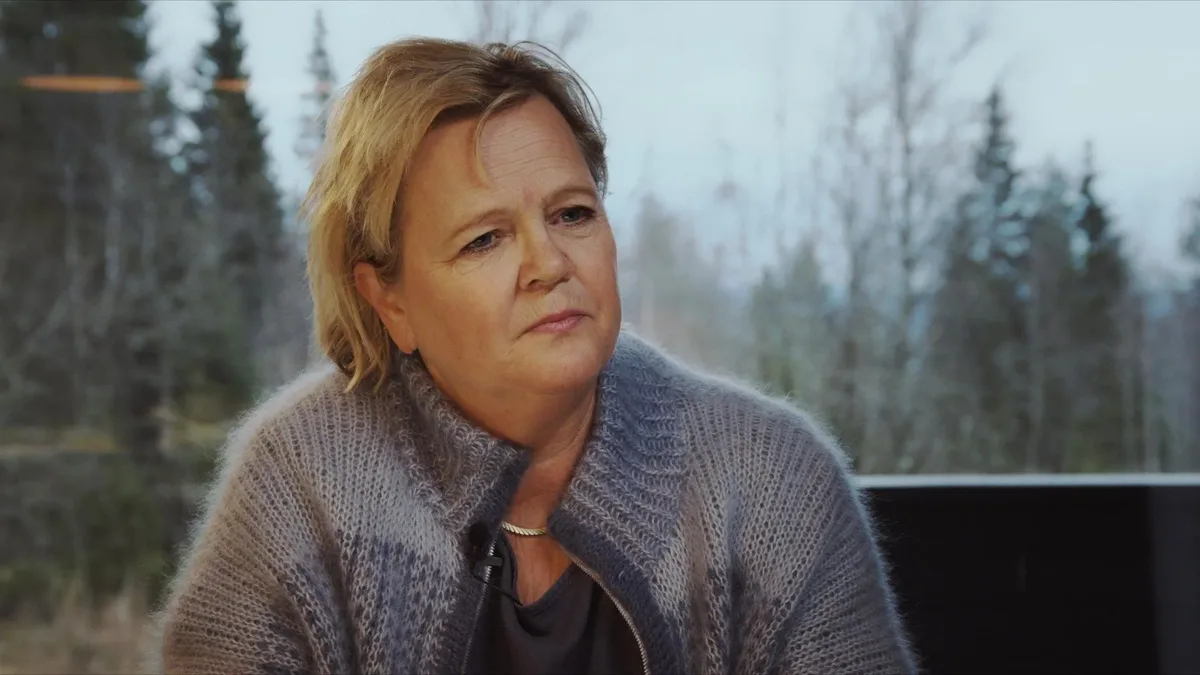
The entire closing speech in Vigdis Bollerud’s case against the state is now openly available online, minute by minute. In many Norwegian courtrooms there is no recording of what is said. What remains are the judge’s own notes.
In brief
- Justice for All Norway has published the entire closing speech in Vigdis Bollerud’s case against the state over her dismissal from the police.
- The lawyer advances three grounds: disqualification, unlawful retaliation for whistleblowing and freedom of expression. The court has not ruled on them.
- By law, testimony from parties and witnesses is to be recorded, but this can be dispensed with when the court lacks equipment.
- The Storting adopted the main rule on recording in 2005. The equipment is still not in place everywhere.
- Justice for All Norway believes that the lack of recordings is an important reason for judgments that do not reflect what happened in court.
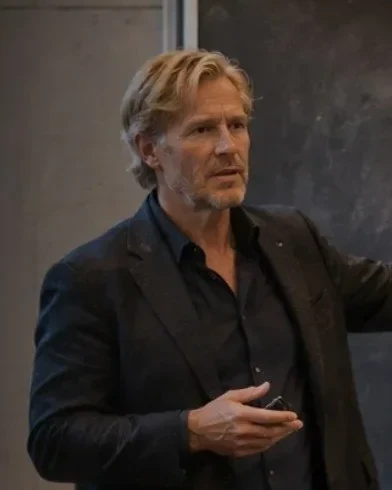
This is lawyer Geir Jesinsky’s closing speech in Vigdis Bollerud’s case against the state over her dismissal from the police. Justice for All Norway has published it in full, with chapters, so that anyone can hear what was actually said.
The interview is in Norwegian. English subtitles are coming.
The lawyer advances three grounds. In his view, the dismissal decision is invalid because of disqualification. The dismissal is unlawful retaliation for whistleblowing. Her statements are not improper conduct, but are protected by freedom of expression. He goes through the whistleblowing reports from 2020 up to the dismissal, the whistleblowing rules in the Working Environment Act (arbeidsmiljøloven) and the claim for compensation.
What is said in the closing speech is the lawyer’s submissions on behalf of his client. The court has not ruled on them.
The rules he refers to
The European Court of Human Rights has established that whistleblowers in public service are protected by freedom of expression under Article 10 of the ECHR. The first major case was Guja v. Moldova (Grand Chamber, 2008). The judgment was followed up in Halet v. Luxembourg (Grand Chamber, 2023).
What the law says about recording
The Dispute Act (tvisteloven) was passed in 2005. Section 13-7 provides that testimony from parties and witnesses at the main hearing and the appeal hearing shall be recorded. The Criminal Procedure Act (straffeprosessloven) section 23 contains a corresponding rule. But both rules have an exception: recording may be dispensed with when “the court does not have the necessary recording equipment available”.
In its recommendation on the Dispute Act in 2005, the Standing Committee on Justice estimated that audio recording in all courtrooms would cost around NOK 9.1 million, in addition to a central archive. The ministry intended to introduce the main rule “in due course”. Twenty-one years later, only a few courts have received equipment through a pilot project, Rett24 reported in September 2026. The Norwegian Courts Administration says all courts are to get it.
The lawyers’ closing speeches are not testimony from a party or a witness. They are not covered by the “shall” rule, but the court may decide that other parts of the proceedings are to be recorded as well.
The questions we are asking
How many courtrooms in Norway today have equipment for audio and video recording? How many testimonies are given each year without any recording? And how can an appeal court check what a witness said in the district court, when the only thing left is the judge’s own notes?
Sources
- Justice for All Norway: Vigdis Bollerud’s employment case – closing speech by Jesinsky
- The Working Environment Act (arbeidsmiljøloven) chapter 2 A (Lovdata)
- ECHR: Guja v. Moldova (Grand Chamber, 12 February 2008), HUDOC
- ECHR: Halet v. Luxembourg (Grand Chamber, 14 February 2023), HUDOC
- The Dispute Act (tvisteloven) section 13-7 (Lovdata)
- The Criminal Procedure Act (straffeprosessloven) section 23 (Lovdata)
- Recommendation O. no. 110 (2004–2005) on the Dispute Act, costs of audio recording (in Norwegian)
- Odelsting Decision no. 99 (2004–2005) (in Norwegian)
- Rett24, 18 September 2026: Lawyers react to the courts wanting to record the breaks (in Norwegian)
Quotes translated from Norwegian.
Published 11 November 2026 at 08:00
About AI in our articlesSupporting members
Support Justice for All Norway from abroad
Membership of the association is open to people living in Norway. International supporting memberships are on their way, so that you can support our work wherever you live.
Become a supporting memberComing soon