News · Patient injury
Three in four are refused when they apply for patient injury compensation
The Norwegian System of Patient Injury Compensation received 8,382 compensation claims in 2025, more than ever before. Only 24 per cent of the cases decided ended with compensation. This is how the scheme works – and this is what it fails to capture.

In brief
- The Norwegian System of Patient Injury Compensation (NPE) received 8,382 compensation claims in 2025. That is almost 50 per cent more than five years earlier.
- 24 per cent of the cases decided ended with compensation. In 2020 the proportion was 30 per cent.
- For injuries in the public health service, the success rate was 20 per cent.
- Anyone who is refused can appeal to the Patient Injury Compensation Board and then go to the courts. Legal action must be brought within six months.
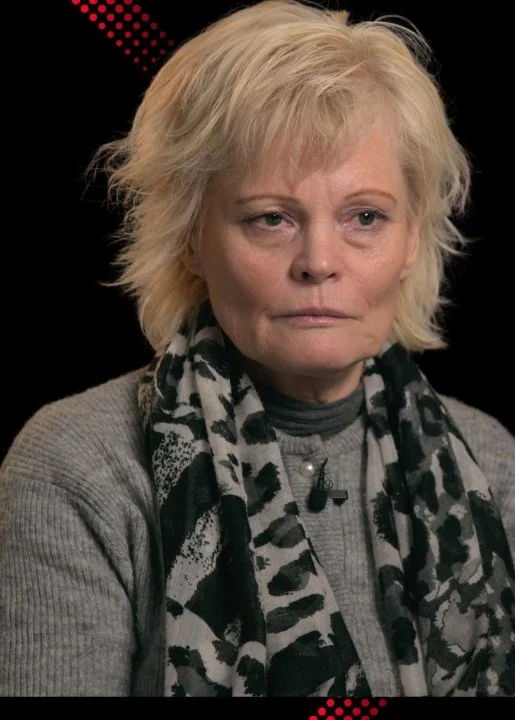
- Mariann Alvestad applied for compensation after several abdominal operations. She was refused and could not afford to go to court.
Anyone who believes they have been injured by treatment in the health service can apply for compensation from the Norwegian System of Patient Injury Compensation (NPE). The scheme is free of charge, and the patient does not need to prove that anyone has done anything wrong. Under section 2 of the Patient Injury Act, compensation is paid when the injury is due to “failure in the provision of health care, even if no one is to blame”.
It sounds simple. The figures show that it is not. In 2025 NPE received 8,382 compensation claims, the highest number ever and almost 50 per cent more than five years earlier. Of the cases decided, only 24 per cent ended with compensation. In 2020 the proportion was 30 per cent.
NPE itself is monitoring why the success rate is falling. The director writes in the annual report that the agency has no reason to believe that the rise in applications is due to more malpractice, and points among other things to patients’ expectations of treatment possibly having become higher.
What you have to show
The scheme is built to assess a specific treatment: did something go wrong in a particular operation, examination or diagnosis, and is that what caused the injury – rather than the illness the patient already had? If the cause cannot be established, but the injury is probably due to external influence during treatment, it is normally to be assumed that there was a failure in the health care provided (section 3).
If there was no failure, compensation may exceptionally be paid when the injury is “particularly serious or particularly unexpected” and is not a risk the patient must accept (section 2, third paragraph). The claim must be made within the time limits of the Limitation Act (section 5).

Appeal, board and court
Anyone who is refused can appeal to the Patient Injury Compensation Board. If the patient still disagrees, the case can be brought before the courts. Legal action must be brought within six months of the board’s final decision being received (section 18). At that point the scheme is no longer free: anyone who loses in court may have to pay the other side’s legal costs as well as their own lawyer.
Injuries that develop over many years are particularly difficult. The same applies to injuries where several burdens act together. Dental nurses who mixed amalgam at work for years were refused by NAV when they applied to have their complaints recognised as an occupational disease, according to the trade union Parat – even though researchers at St Olav’s Hospital concluded in 2007 that the findings indicated that some had suffered late effects. One of them, Tordis Stigen Klausen, did not have her injury recognised until 2012, after rounds in the district court, the court of appeal and twice in the National Insurance Court.
One patient’s experience
Mariann Alvestad from Porsgrunn believes the mercury from her childhood amalgam fillings is the reason she has lived a life of illness. She was granted a disability pension at the age of 20. Over the years she has had several abdominal operations. After the last operation, in 2004, she suffered a bowel obstruction and needed emergency surgery.
She applied to NPE for compensation for the consequences of the abdominal operations and was refused. The case went on to the Patient Injury Compensation Board and, as she describes it, dragged on for around ten years. She could have gone to court. By then she had already spent NOK 300,000. Justice for All Norway has not seen the decisions.
But I didn’t have any more money left.
See also the full film interview with Mariann Alvestad. Have you applied for patient injury compensation yourself? Become a supporting memberComing soon.
Read more
- The big story: “How far outside the law’s protection are you then?”
- The series: No test can tell whether your fillings made you ill
- The series: Limit values assess one substance at a time. The body meets many
- The series: Amalgam was banned to protect nature
- Topic page: The amalgam case
- Become a supporting memberComing soon
Sources
- Norwegian System of Patient Injury Compensation: Annual report 2025 (in Norwegian)
- Patient Injury Act, sections 2, 3, 5 and 18 (Lovdata, in Norwegian)
- The Norwegian System of Patient Injury Compensation (NPE)
- Tannlegetidende no. 4/2007: dental secretaries and mercury (the St Olav’s study) (in Norwegian)
- Parat / the Dental Secretaries’ Association (2010) (in Norwegian)
- Tannlegetidende no. 5/2012: Mercury injury recognised as an occupational disease (in Norwegian)
- Justice for All Norway: Mariann Alvestad – Amalgam (film interview)
- Justice for All Norway: “How far outside the law’s protection are you then?”
Quotes translated from Norwegian.
Supporting members
Support Justice for All Norway from abroad
Membership of the association is open to people living in Norway. International supporting memberships are on their way, so that you can support our work wherever you live.
Become a supporting memberComing soon