Rules and advice
Patient injury compensation: how to apply to NPE and appeal to the Patient Injury Compensation Board

When the health service makes mistakes, you may be entitled to compensation and to have the case investigated. Here we explain how to apply to Norwegian Patient Injury Compensation, how to complain about healthcare – and what the amalgam case shows about being believed.
Updated · By Justice for All Norway · Information about AI in our articles

Official description
The Patient Injury Act (pasientskadeloven) gives a right to compensation for injury caused by failure in the provision of healthcare. The claim is handled by Norwegian Patient Injury Compensation (NPE), and the decision may be appealed to the Patient Injury Compensation Board (Pasientskadenemnda). The Patients’ and Users’ Rights Act (pasient- og brukerrettighetsloven) gives a right to ask the County Governor to assess whether health personnel have breached their duties, and a right of access to one’s own medical records.
Source: Lovdata (the Patient Injury Act (pasientskadeloven), the Patients’ and Users’ Rights Act (pasient- og brukerrettighetsloven)), NPE.no, Helsetilsynet.no
Answers to what people most often wonder about patient injury compensation, with the legislation step by step and our members’ experiences.
Rules and advice

Rules and advice

Rules and advice

Rules and advice

Rules and advice
If you have suffered an injury after treatment in the health service, you can apply to Norwegian Patient Injury Compensation (NPE). The scheme covers both public and private healthcare, including dentists. You do not need to prove that anyone did anything wrong intentionally; the decisive question is whether the injury was caused by failure in the treatment.
You apply at npe.no. Describe what happened, when it happened, and what consequences the injury has had. NPE obtains the medical records itself and may obtain expert assessments. Ask to see the expert statements, and comment on them before the decision is made.
The deadline is, as a general rule, three years from when you became or should have become aware of the injury and the cause. Do not wait until your health condition has been fully clarified.
If you disagree with NPE’s decision, you can appeal to the Patient Injury Compensation Board. The appeal deadline is three weeks. The appeal is sent to NPE, which reassesses the case before it is sent to the board.
If you disagree with the board’s decision, you can bring legal proceedings against the state, represented by the Patient Injury Compensation Board. The deadline for bringing proceedings is six months after you were notified of the decision. It may then be wise to seek a lawyer – see lawyer and legal aid.
Compensation is one thing. Whether health personnel have made mistakes is another. You can ask the County Governor to assess whether health personnel or an undertaking have breached their duties. The County Governor may issue criticism and, in serious cases, send the case to the Norwegian Board of Health Supervision, which may issue a warning or revoke authorisation.
You have the right of access to your own medical records, and the right to ask for incorrect information to be corrected. The Patient and User Ombud in your county can help you free of charge to understand your rights and write complaints.
Amalgam is a filling material that contains mercury. Its use was banned in Norway from 2008, and in the EU from 1 January 2025. Many who believe they have become ill because of the fillings describe a long fight to be taken seriously.
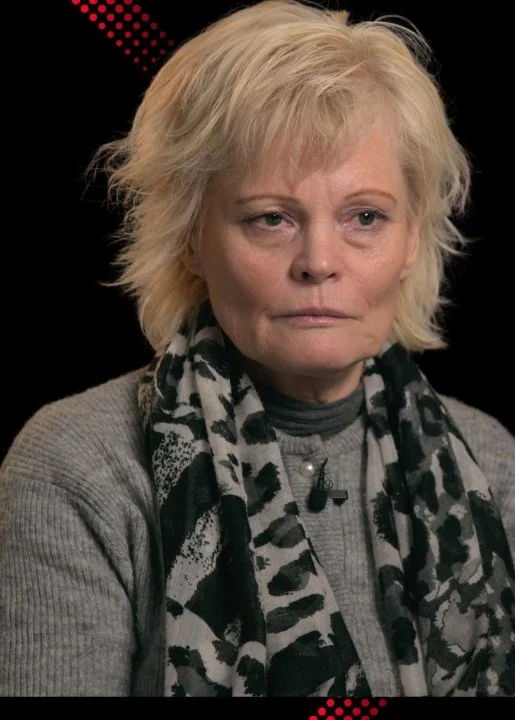
We have documented the case in a dedicated series. Mariann Alvestad describes her experience in “Mariann Alvestad on the mercury: ‘We are the ones who have had to endure it’” and in the film interview “Mariann Alvestad: Amalgam”. Asbjørn Saxegaard, who fought for the ban, is interviewed in “Asbjørn Saxegaard fought for the amalgam ban” and in “Amalgam 2”.
We have reviewed what the research can and cannot say in “What we do not know about the poison in our teeth”. And in “The mercury has been banned. The fight to be believed has not” we look at why the ban has not resolved the cases of those who were already ill.
In health cases, it is often professionals who decide what is true. This applies in NPE, in the Patient Injury Compensation Board and in the courts, where experts are given considerable weight. This is one of the reasons why we write about experts in court and about the courts’ assessment of evidence.
Our members’ advice: Keep a diary of symptoms and treatments, keep all documents, ask for your medical records early, and bring someone you trust to important meetings. Also read about your rights in dealings with the public administration.
You have the right of access to your medical records and to a copy of them. Many people only discover when they read their records that important information is missing, or that something has been written which they do not recognise as accurate. You can then ask for the records to be corrected or for a note to be entered.
Ask for your medical records early if you are considering applying for compensation or making a complaint. Read them through with someone you trust, and note what is correct and what is not. The medical records often become the most important document in a patient injury case.
The Patient and User Ombud is present in every county and provides free assistance. The ombud can explain your rights, help you write a complaint and raise the case with the health service. You can also get help from a lawyer, and in some cases you may be entitled to legal aid.
Take care of yourself along the way. A patient injury case can take a long time, and many say the hardest part is having to explain themselves again and again. The community in the association can be a source of support.
Health personnel must provide proper healthcare and have a duty to give the patient information about their health condition, the treatment and possible risks. As a general rule, the patient must consent before treatment. Health personnel have a duty of confidentiality, and the patient has the right to take part in choosing treatment.
If a serious incident has occurred, the health service has a duty to notify the Norwegian Board of Health Supervision, and the patient or next of kin can ask for the incident to be investigated.
If the health case also concerns NAV, the municipality or other public decisions, the rules we explain under the public administration, NAV and individual administrative decisions apply. If the case goes to court, you can read about how the courts assess evidence and experts.
Justice for All Norway believes that patients’ experiences must count in the assessments. Patients are the ones who have lived with the injury. When professional communities are uncertain, this must be made openly clear in the case handling, and the patient must be told what the assessment is based on. All the articles on health and amalgam are listed below.
Application to NPE: as a general rule within three years from when you understood that you had been injured and what the cause was. Complaint to the Patient Injury Compensation Board: three weeks from when you received the decision. Legal action against the board’s decision: six months. Ask for an extended deadline in writing if you need more time to obtain documentation, and send the complaint within the deadline, even if it is short.
Fill in the form on npe.no. It is free, and NPE obtains the medical records itself.
As a general rule, three years from when you understood that you had been injured and what the cause was.
Yes, the patient injury compensation scheme also applies to the dental health service, both public and private.
Ask the County Governor to assess whether the doctor has breached their duties. The Patient and User Ombud can help you.
12 articles, newest first.
Rules and advice
Rules and advice
Rules and advice
Rules and advice
Rules and advice
The amalgam case

The amalgam case

Asbjørn Saxegaard

Film interview
Interview

Interview

The case