Rules and advice
Expropriation: when the public authorities take your property
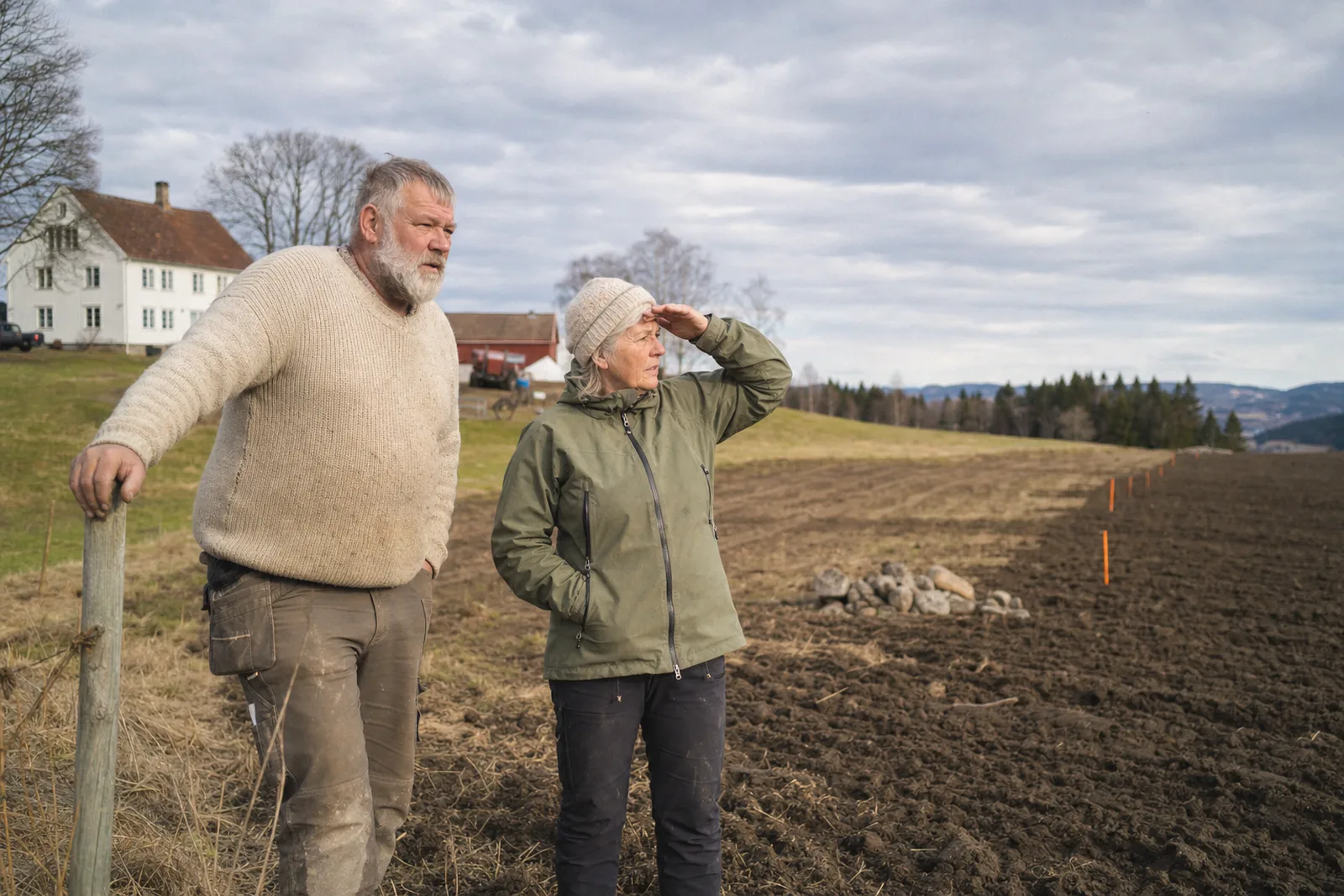
Property rights are protected by the Constitution of Norway (Grunnloven). Even so, many landowners experience long-running conflicts over roads, boundaries and the use of their own land. Here we explain your rights – and what our cases show.
Updated · By Justice for All Norway · Information about AI in our articles

Official description
Property rights are a fundamental right in Norway and are protected by the Constitution of Norway (Grunnloven) § 105, the European Convention on Human Rights and Norwegian legislation. The right ensures that individuals and businesses can own, use and dispose of property without arbitrary interference by the state. Public intervention may take place only with legal authority, and must be compensated with full compensation in cases of expropriation. The public administration, municipalities and courts have a duty to safeguard property rights as part of due process.
Source: the Constitution of Norway (Grunnloven) § 105, Lovdata.no, Regjeringen.no
Answers to what people most often wonder about property, adverse possession and land consolidation, with the law step by step and the experiences of our members.
Rules and advice
Rules and advice
Rules and advice

Rules and advice
Rules and advice
The Constitution of Norway (Grunnloven) § 105 states that anyone who must surrender property for public use is entitled to full compensation. Property rights are also protected by Article 1 of Protocol No. 1 to the European Convention on Human Rights. Interference must have a basis in law, pursue a legitimate aim and be proportionate.
Behind this lies a range of statutes: the Expropriation Act (oreigningslova) on expropriation, the Land Consolidation Act (jordskiftelova) on the land consolidation courts, the Prescription Act (hevdsloven) on rights acquired through long-term use, the Servitude Act (servituttlova) on rights of use such as road rights, and the Neighbour Act (grannelova) on relations between neighbours. The Planning and Building Act (plan- og bygningsloven) regulates what the municipality may decide about the use of land.
Road disputes are among the most common conflicts between neighbours. They may concern who has the right to use a road, who must maintain it, and whether the road may be used more extensively than before. A road right may be agreed, registered, acquired by prescription or determined by the land consolidation court.
What happens when a final and enforceable judgment on road rights is not respected? We have written about this in “He bought a house and inherited a road dispute”. The case shows that a judgment is worth no more than the willingness to enforce it.
The land consolidation courts are special courts for real property. They can determine boundaries, organise rights of use, divide jointly owned property and resolve property arrangements that are difficult to use effectively. Decisions of the land consolidation court may be appealed to the court of appeal.
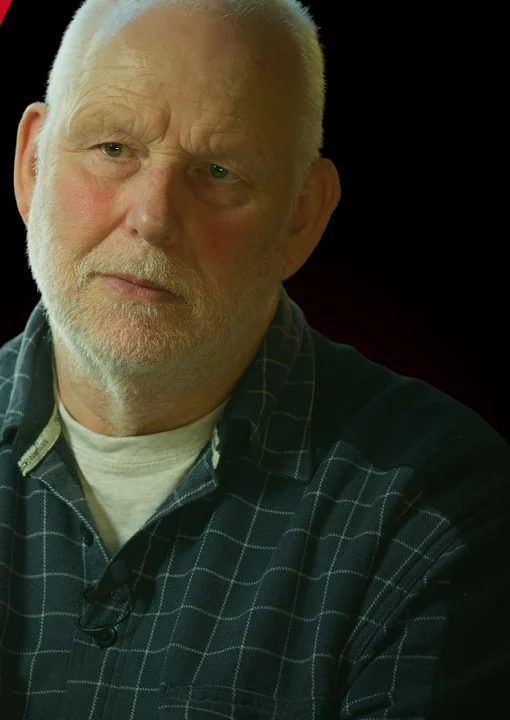
Many landowners experience land consolidation as a process in which they lose control. In “The land consolidation judgment”, Egil Klubben describes his case. You can find more about the courts in general under the courts and judges.
Expropriation must take place only when it is clearly more beneficial than harmful, and anyone who loses property or rights is entitled to full compensation. The compensation is determined by judicial assessment in the courts if the parties cannot agree.
Not every intervention is called expropriation. Zoning plans, protection measures and public use of private land may restrict property rights without compensation being paid. The question then becomes whether the intervention has legal authority, and whether it is proportionate. Such questions also belong under the public administration and individual decisions: decisions by the municipality may be appealed, and you have the right to access documents and to receive reasons.
The Vilnes case from Sogn is one of the longest-running cases we have documented. For years, the family has fought over the map and the property claim. You can read and watch the case in “The great property fraud” and in the follow-up “When the rule-of-law state fails”. The titles reflect the family’s view of the case.
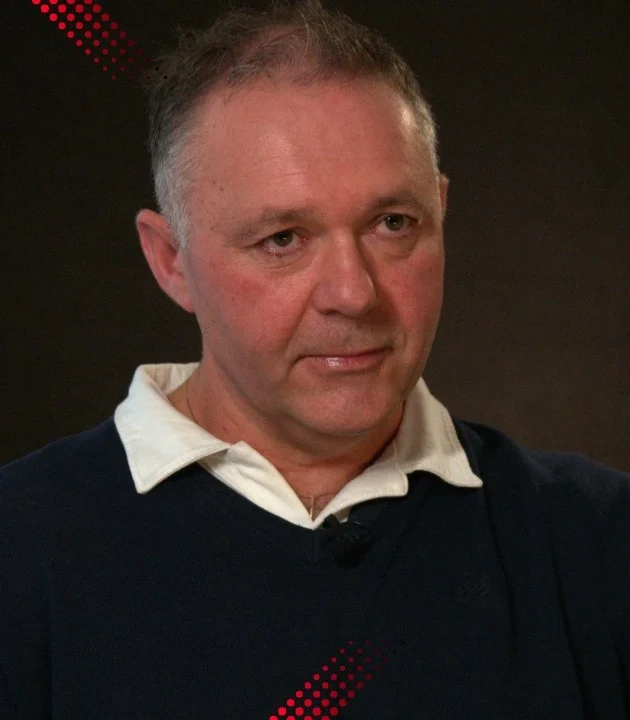
In “Born into injustice”, Hege Fossum describes the road to a quarry that was laid across the family farm in Øvre Eiker – a case that has followed the family for generations. What the cases have in common is that they have lasted a long time, that many bodies have been involved, and that those caught up in them feel that no one takes overall responsibility.
Get an overview of what is registered on the property, and obtain maps and documents from the municipality and the Norwegian Mapping Authority. Ask for access to the case documents, and ask for written reasons for decisions. Appeal within the deadline.
Consider whether the case should go to the land consolidation court, which is often quicker and cheaper than ordinary court proceedings. And seek advice early – property cases can become both lengthy and costly. See also lawyer and free legal aid.
Much of what happens to a property is determined in the municipality’s plans. The municipal master plan and zoning plans decide what the land may be used for, and where roads, homes or facilities may be built. As a landowner, you have the right to be notified when plans that affect you are being prepared, and to submit comments.
Decisions on zoning plans and many building matters may be appealed. As a general rule, the appeal deadline is three weeks, and the appeal is dealt with by the County Governor if the municipality does not uphold it itself. Keep track of public notices, and ask to be put on the list of affected parties.
Justice for All Norway believes that municipalities’ role as planning authority, landowner and party in individual cases can create unclear roles. When the municipality itself has interests in the case, the requirement for impartiality and transparency is especially important.
Many conflicts start with unclear boundaries. The cadastre, Norway’s official property register, shows how properties are registered, but the map is not always accurate. If the boundary is unclear, you can ask the municipality for a cadastral survey, or ask the land consolidation court to determine the boundary.
What is shown on the map is not always what applies legally. Agreements, older subdivisions and long-term use may mean that the boundary lies somewhere else. Keep old documents, and obtain everything registered on the property before you start a case.
If you have used a road, a jetty or a parcel of land for a long time, you may have acquired a right to it by prescription. The general rule is that 20 years’ use is required, and that you have been acting in good faith. Prescription can give both ownership and a right of use. The same applies to immemorial usage, which requires an even longer period.
Prescription is often an important argument in road disputes and boundary cases. Gather documentation of the use: photographs, maps, witnesses and old agreements. If the other party disputes the use, the land consolidation court or the district court can decide the case.
Property cases often involve the municipality, the Norwegian Mapping Authority and the courts. We have explained how to appeal municipal decisions under the public administration and individual decisions, and how court proceedings work under the courts and judges. All the cases about property rights are listed below.
That anyone who must surrender property for public use is entitled to full compensation.
Find out what has been agreed and registered in the land register, try to negotiate, and consider bringing the case before the land consolidation court.
Yes, decisions of the land consolidation court can, as a general rule, be appealed to the court of appeal.
As a general rule, 20 years of use as an owner, or as the holder of a right of use.
10 cases, newest first.
Rules and advice
Rules and advice
Rules and advice
Rules and advice
Rules and advice
Egil Klubben
Interview
Nikolai Vilnes

Film interview
Hege Fossum