Rules and advice
Wrongfully convicted: how to apply for compensation after criminal prosecution

Miscarriage of justice refers to an innocent person being convicted in a criminal case. Here we explain how this can happen, how you can ask the Norwegian Criminal Cases Review Commission to reopen a case – and which cases Justice for All Norway is following.
Updated · By Justice for All Norway · Information about AI in our articles

Official description
A miscarriage of justice refers to an innocent person being convicted in a criminal case. A final and enforceable judgment can only be changed through reopening. The Norwegian Criminal Cases Review Commission (Gjenopptakelseskommisjonen) is an independent administrative body that decides whether a criminal case should be retried in a court of law. The conditions are set out in Chapter 27 of the Criminal Procedure Act (straffeprosessloven).
Source: Gjenopptakelse.no, Lovdata (the Criminal Procedure Act), Store norske leksikon
Answers to what people most often wonder about miscarriages of justice in Norway, with a step-by-step explanation of the legal framework and the experiences of our members.
Rules and advice
Rules and advice
Rules and advice

Rules and advice

Rules and advice

Rules and advice

Rules and advice
Rules and advice

Rules and advice
Research and investigations repeatedly point to the same causes: investigative tunnel vision, false confessions, erroneous witness statements, weak or misinterpreted expert evidence, evidence not shared with the defence, and courts failing to detect the errors.
The Baneheia Committee, appointed in 2023 and chaired by Professor Jon Petter Rui, unanimously concluded that there were significant weaknesses throughout the entire criminal justice chain in the case against Viggo Kristiansen: police, prosecuting authority, defence lawyers, experts and courts. The committee described how decision-makers fell into a confirmation trap. Viggo Kristiansen was acquitted in 2022, after more than 20 years.
It is the same tunnel vision that the Norwegian police interview method is intended to prevent. Read more under the police and investigation.
Norway has several well-known cases where convicted persons were later acquitted. Per Liland was acquitted in 1994 after serving time for two murders. Fritz Moen was acquitted of one murder in 2004, and after his death of the other in 2006. Viggo Kristiansen was acquitted in the Baneheia case in 2022.
These cases became known because some people persevered for many years: defence lawyers, journalists, family members and researchers. Many other cases never receive such attention.
The term miscarriage of justice was originally used when an innocent person was convicted and executed. Today it is used for all final and enforceable criminal judgments affecting someone who should not have been convicted. Another term for the same thing is judicial error, which underlines that it is a question of an error in the justice system.
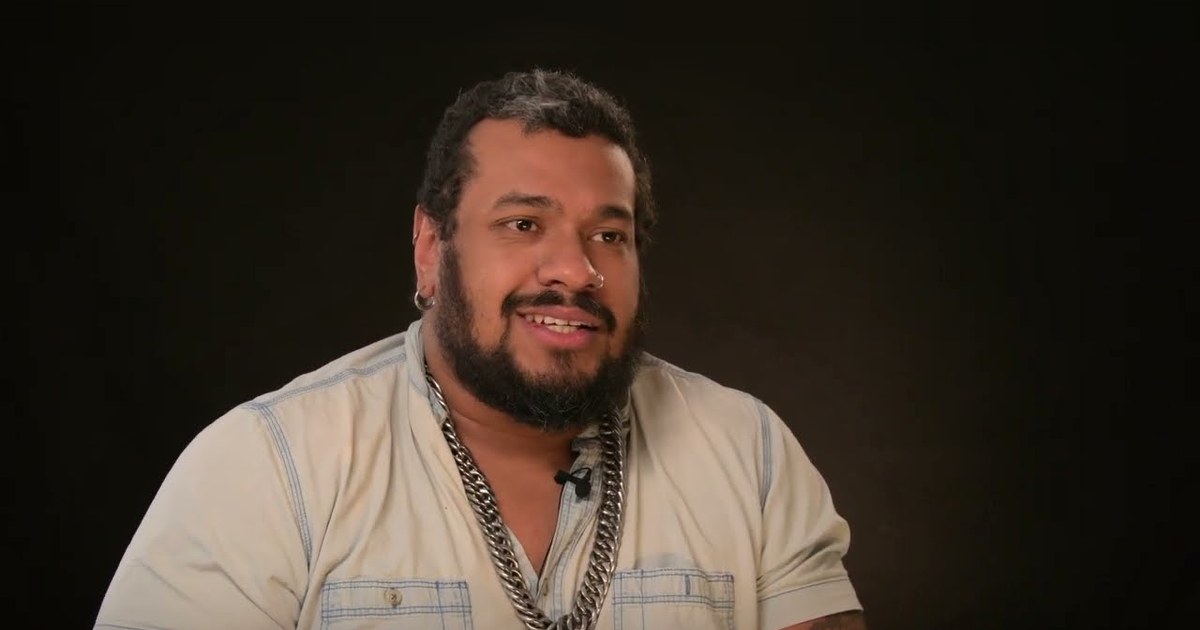
Justice for All Norway follows several cases where the convicted individuals themselves, and we, believe the judgment is wrong. Øystein Flenning, the association’s deputy chair, was stabbed and himself convicted of violence in the same incident. He tells his story in “From victim of violence to wrongfully convicted”.
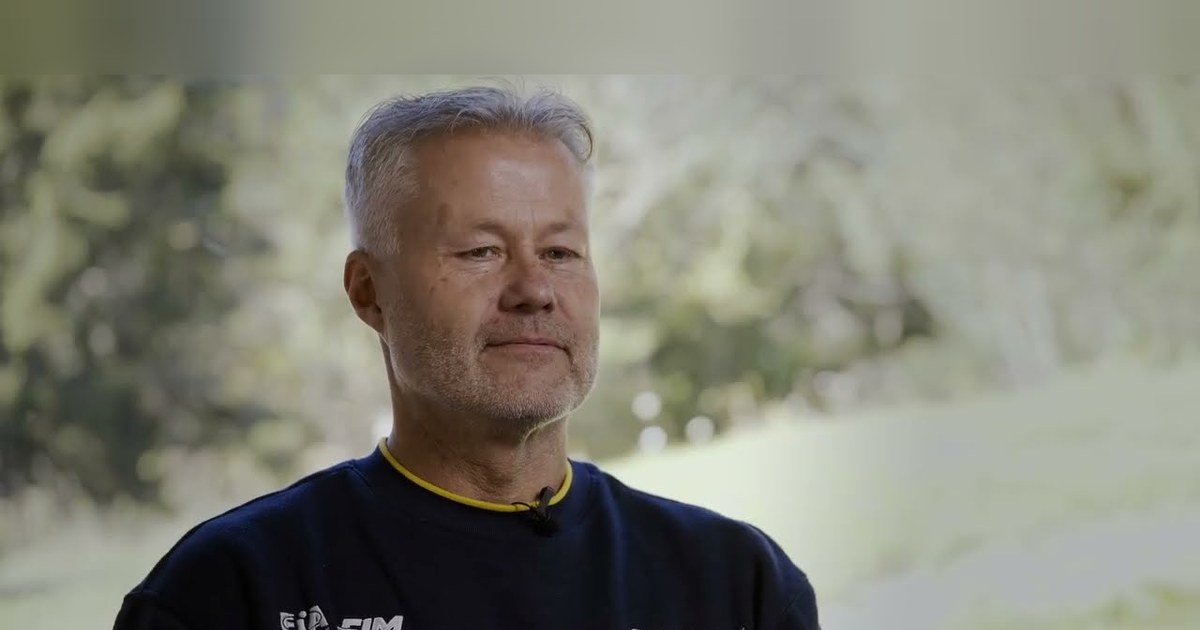
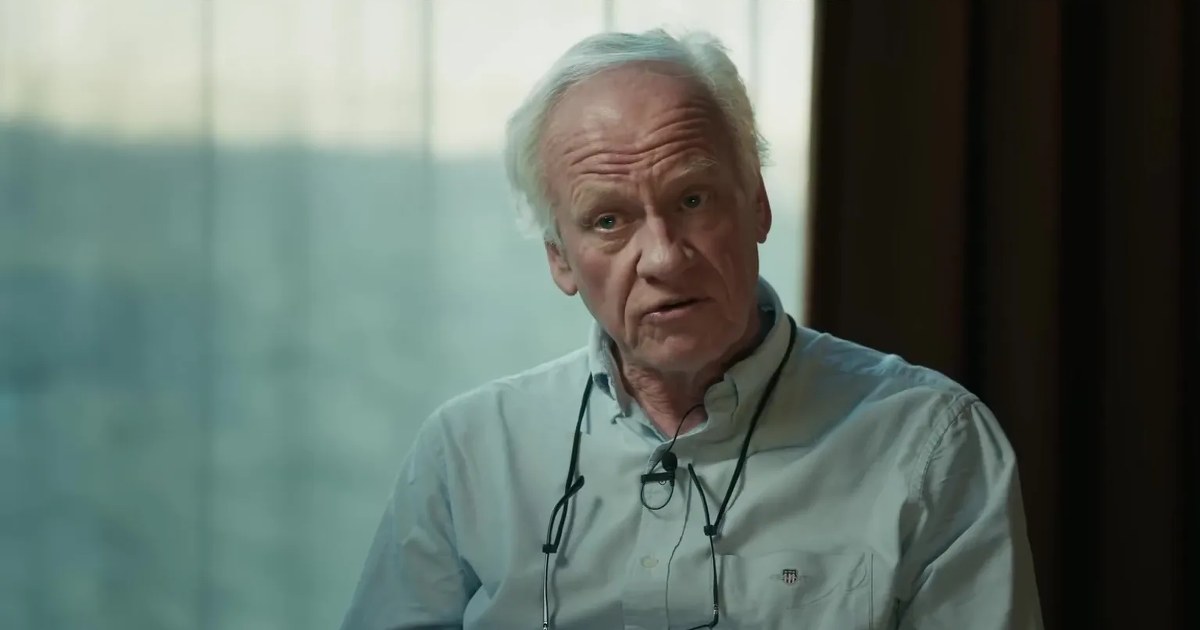
In the brake cases, lorry drivers are indicted after accidents where the trailer has failed. Whistleblower Helge Andersen and lawyer Sigurd Klomsæt believe the roller brake tests used to check the brakes are unreliable. See “Brake failure, deaths and miscarriages of justice” and “From lorry driver to defender of drivers”. The issue of the brakes also has a section under whistleblowing and whistleblowers.
The book “The Judgment versus the Truth – Viktor” describes how a judgment and what actually happened can diverge.
The convicted person – or, after the convicted person’s death, close relatives – may apply for reopening with the Norwegian Criminal Cases Review Commission. The application is free of charge, and the commission may appoint a lawyer for you when there are grounds to do so.
The most common ground is that new evidence or new circumstances have emerged which appear likely to lead to an acquittal or a significantly more lenient judgment. Other grounds include, for example, that a judge or a witness has acted criminally in the case, or that an international court has found that the proceedings violated human rights. “Quotes translated from Norwegian.”
Write the application specifically: What is new? Why was it not known to the court? How could it have changed the outcome? Attach the documentation. The Commission investigates the case itself and decides whether it should be sent to a new court.
Justice for All Norway believes that reopening a case becomes extremely difficult when there are no recordings of the testimonies from the first trial. In such cases, only the judge’s notes and the judgment remain. Read more about audio recordings in the courts.
Anyone who is acquitted, or whose case is dropped because it has not been proven that they committed the offence, may apply for compensation for financial loss and redress for the violation. The rules are set out in Chapter 31 of the Criminal Procedure Act (straffeprosessloven), and the claim is handled by the Norwegian Civil Affairs Authority (Statens sivilrettsforvaltning). The deadlines are short. Ask your lawyer to submit the claim as soon as the case is concluded.
Only a small proportion of applications for reopening are successful. The reason is that a final and enforceable judgment is meant to stand, and the requirement for new evidence is strict. What was already known to the court is, as a general rule, not considered new, even if the court may have assessed it incorrectly.
This makes it all the more important that errors are detected early – during the investigation, in the prosecutorial assessment, and in court. And it makes it important that there is a subsequent record of what was said and presented. Without recordings and without complete documentation, it is difficult to demonstrate that something new has emerged.
Those who believe they have been wrongfully convicted are often left on their own. The defence lawyer from the first case has usually completed their assignment, and it is difficult to find someone willing to review the case anew. The Norwegian Criminal Cases Review Commission (Gjenopptakelseskommisjonen) may appoint a lawyer when there is reason to do so, and the Commission itself conducts investigations.
Justice for All Norway documents cases where our members believe they have been convicted on the wrong basis. We do not take a position on guilt, but we present the documentation and the questions it raises. Journalists, researchers and volunteers have also played an important role in the well-known cases.
Justice for All Norway believes that three changes would make it easier to uncover and correct miscarriages of justice: recordings of all testimonies in court, full access for the defence to all material collected by the police, and a Criminal Cases Review Commission with a mandate and culture to genuinely reconsider cases. Read also about the courts and police investigations.
When an innocent person is convicted of a criminal offence.
An independent body that decides whether a final and enforceable criminal case should be retried in the courts.
Nothing. The Commission may also appoint a lawyer when there is reason to do so.
Among the well-known cases are the Liland case, the Fritz Moen case, and the Baneheia case against Viggo Kristiansen.
Yes, under Chapter 31 of the Criminal Procedure Act (straffeprosessloven). The deadlines are short, so apply early.
24 articles, newest first.
Rules and advice
Rules and advice
Rules and advice
Rules and advice
Rules and advice
Rules and advice
Rules and advice
Rules and advice
Rules and advice
Rules and advice

Reopening

The Orderud case

Book

Interview
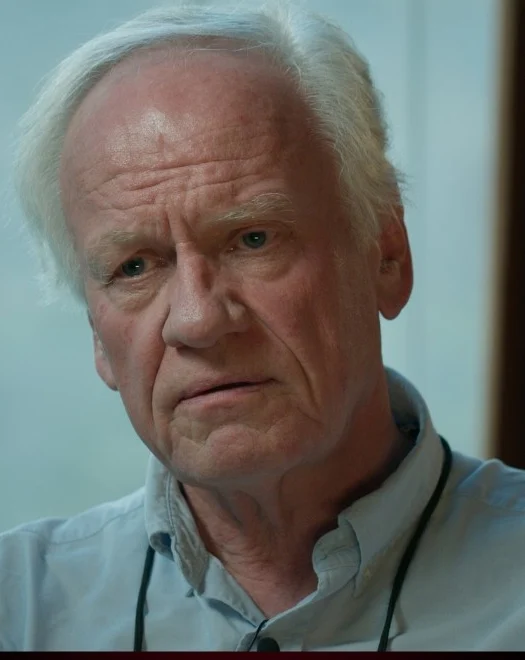
Sigurd Klomsæt
Gunnar Waagestad
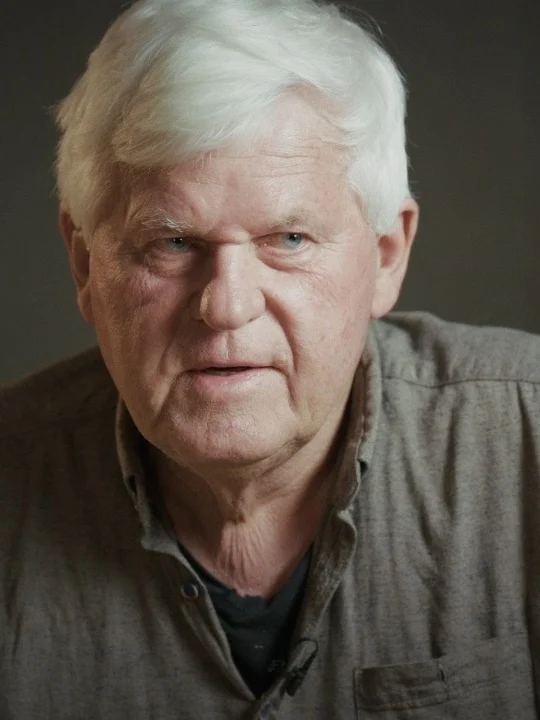
Helge Andersen

Øystein Flenning
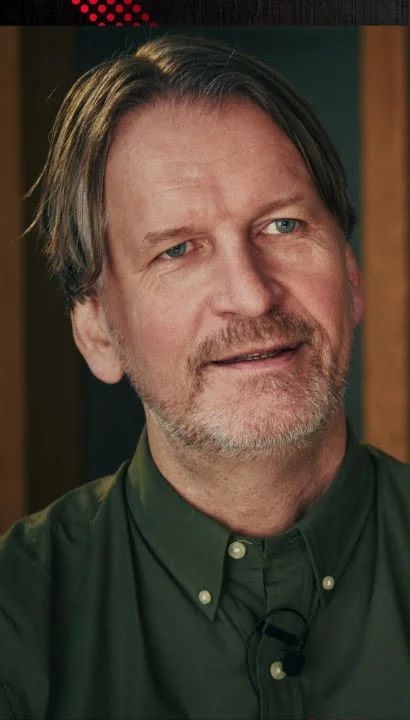
Film interview
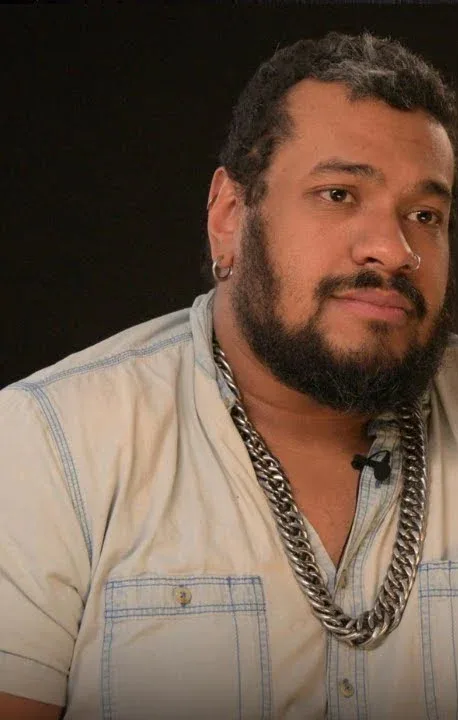
Helge Andersen
The case
The case
The case
The case