News · Amalgam
Amalgam was banned to protect nature
Norway banned mercury in dental fillings in 2008. Since 2025, amalgam has in practice been phased out across the EU. Both bans were justified on environmental grounds. No authority has given an overall answer on what the fillings have done to the people who still have them.

In brief
- Norway banned mercury in products, including dental fillings, from 1 January 2008. The reasons given were the environment and the availability of good alternatives.
- The Minamata Convention of 2013 commits countries to phasing down the use of mercury, including in dental care.
- In the EU, amalgam has been banned in dental treatment since 1 January 2025, with an exception only where the dentist considers it strictly necessary on medical grounds.
- Since 1 July 2026, it has also been prohibited to manufacture and import amalgam in the EU.
- The precautionary principle is written into Norwegian law to protect nature. Asbjørn Saxegaard believes the same must apply to patients.
When the Norwegian government announced the ban on mercury in products on 21 December 2007, the reasoning was clear: mercury is one of the most dangerous environmental toxins, and good alternatives were available. From 1 January 2008, amalgam was no longer used in new dental fillings in Norway.
The rest of the world followed, at its own pace. The Minamata Convention on Mercury was adopted in 2013 and entered into force in 2017. It is named after the Japanese city where thousands of people were poisoned by mercury discharged from a factory, and it commits countries to phasing down the use of mercury – including in dental care.
In the EU, amalgam was banned in dental treatment from 1 January 2025 by Regulation (EU) 2024/1849. The exception is where the dentist considers it strictly necessary on medical grounds for the individual patient. On the same day, exporting amalgam from the EU was prohibited, and from 1 July 2026 manufacturing and importing it is also prohibited. The European Commission is to review the remaining exemptions by the end of 2029.
An environmental ban, not a health ban
Both the Norwegian ban and the EU regulation are justified on environmental grounds. Mercury from dental clinics ends up in waste water, in sludge and – through cremation – in the air, and it does not break down. The bans say nothing about whether the fillings have harmed the people who have them in their mouths. That question has been assessed separately, and the experts still disagree.
The bans apply to new fillings. A great many Norwegian adults still have amalgam in their teeth, and the Directorate of Health makes no general recommendation to remove fillings that are intact. We have written about how anyone who suspects complaints should be examined in No test can tell whether your fillings made you ill.
The precautionary principle
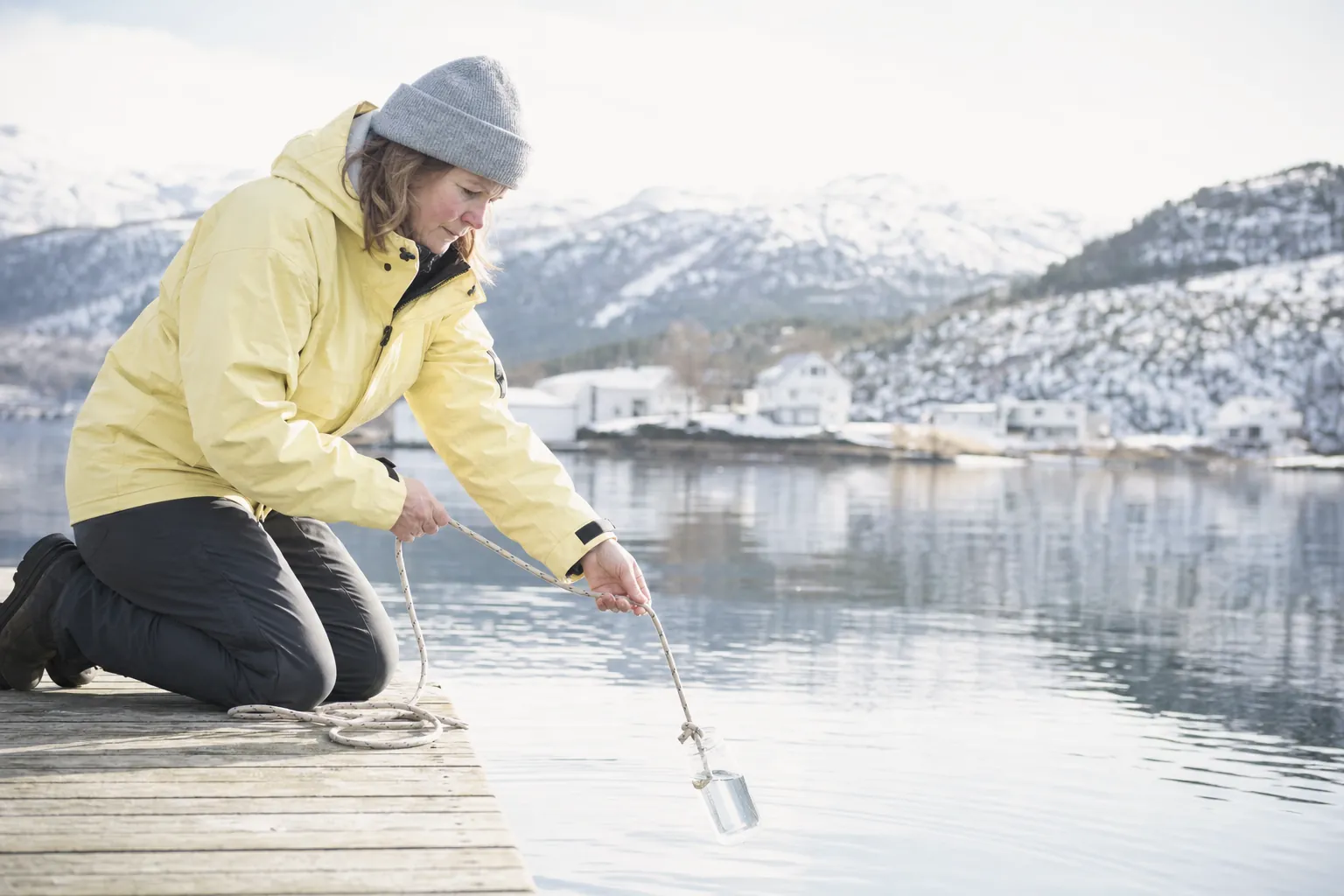
The precautionary principle means that a lack of full scientific certainty must not be a reason for failing to act when there is a risk of serious harm. The principle is set out in the 1992 Rio Declaration and in section 9 of the Norwegian Nature Diversity Act. It is the same thinking that lies behind the environmental bans: you do not wait for full scientific certainty before phasing out a dangerous substance.
In the health service, the principle does not apply in the same way. There, the starting point is that a link must be documented before it is recognised. That is precisely what is difficult as long as there is no test or professional definition of chronic mercury poisoning. We have looked at how the limit values for mercury are set in Limit values assess one substance at a time.
One campaigner’s experience
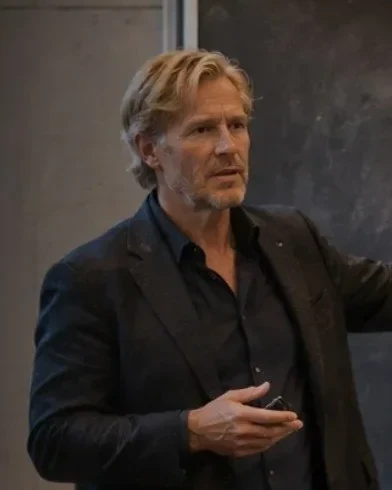
Asbjørn Saxegaard was active in the patients’ association Norsk Tannskadeforbund, later Foreningen Tenner og Helse, from the 1980s until around 2010. He took part in the mercury meetings of the UN Environment Programme, UNEP, where work on a global mercury agreement was taking place. Asked whether it was the patients’ association that brought about the Norwegian ban, his answer is short:
Yes, I would claim so. With good help from the Swedish association, I must add.
He also praises the Directorate of Health for how the phase-out was presented internationally. But in his experience, attempts to get the authorities to investigate what the mercury has done to patients have got nowhere.
So far it has been beating the air.
See also the full film interview with Asbjørn Saxegaard. Become a supporting memberComing soon.
Read more
- The big story: “How far outside the law’s protection are you then?”
- The series: No test can tell whether your fillings made you ill
- The series: Three in four are refused when they apply for patient injury compensation
- The series: Limit values assess one substance at a time. The body meets many
- Topic page: The amalgam case
- Become a supporting memberComing soon
Sources
- The Norwegian Government (21.12.2007): Bans mercury in products (in Norwegian)
- The Minamata Convention on Mercury
- Regulation (EU) 2024/1849 on amalgam (EUR-Lex)
- European Parliament (Legislative Observatory): summary of Regulation (EU) 2024/1849
- Parliamentary Assembly of the Council of Europe: Resolution 1816 (2011)
- Section 9 of the Nature Diversity Act (the precautionary principle), Lovdata (in Norwegian)
- Norwegian Directorate of Health (2008): Dental biomaterials – guideline (in Norwegian)
- Justice for All Norway: Asbjørn Saxegaard – Amalgam 2 (film interview)
- Justice for All Norway: “How far outside the law’s protection are you then?”
Quotes translated from Norwegian.
Supporting members
Support Justice for All Norway from abroad
Membership of the association is open to people living in Norway. International supporting memberships are on their way, so that you can support our work wherever you live.
Become a supporting memberComing soonSupport our work
Related articles
Three in four are refused when they apply for patient injury compensation

Limit values assess one substance at a time. The body meets many

Amicable settlement with VG: – We should simply have called you

We published the entire closing speech. The court makes no such recording itself
Children who speak out have the right to be taken seriously