News · Safety Investigation Authority · The courts and the judges
Four crashes, three warnings
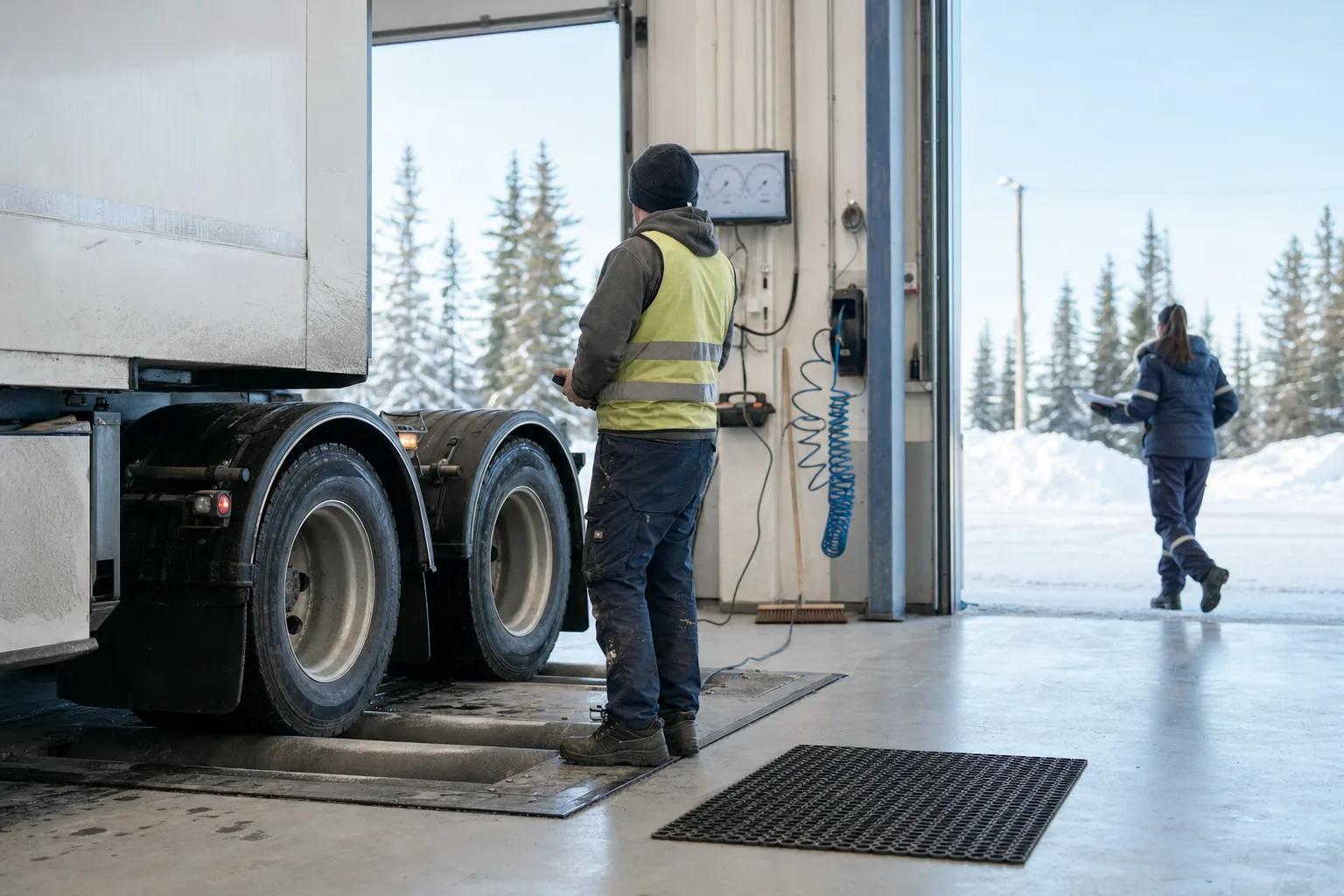
The Norwegian Safety Investigation Authority has repeatedly found faults in the brake systems in serious crashes involving articulated lorries. Helge Andersen believes the reports confirm what he has warned about for 20 years.
In brief
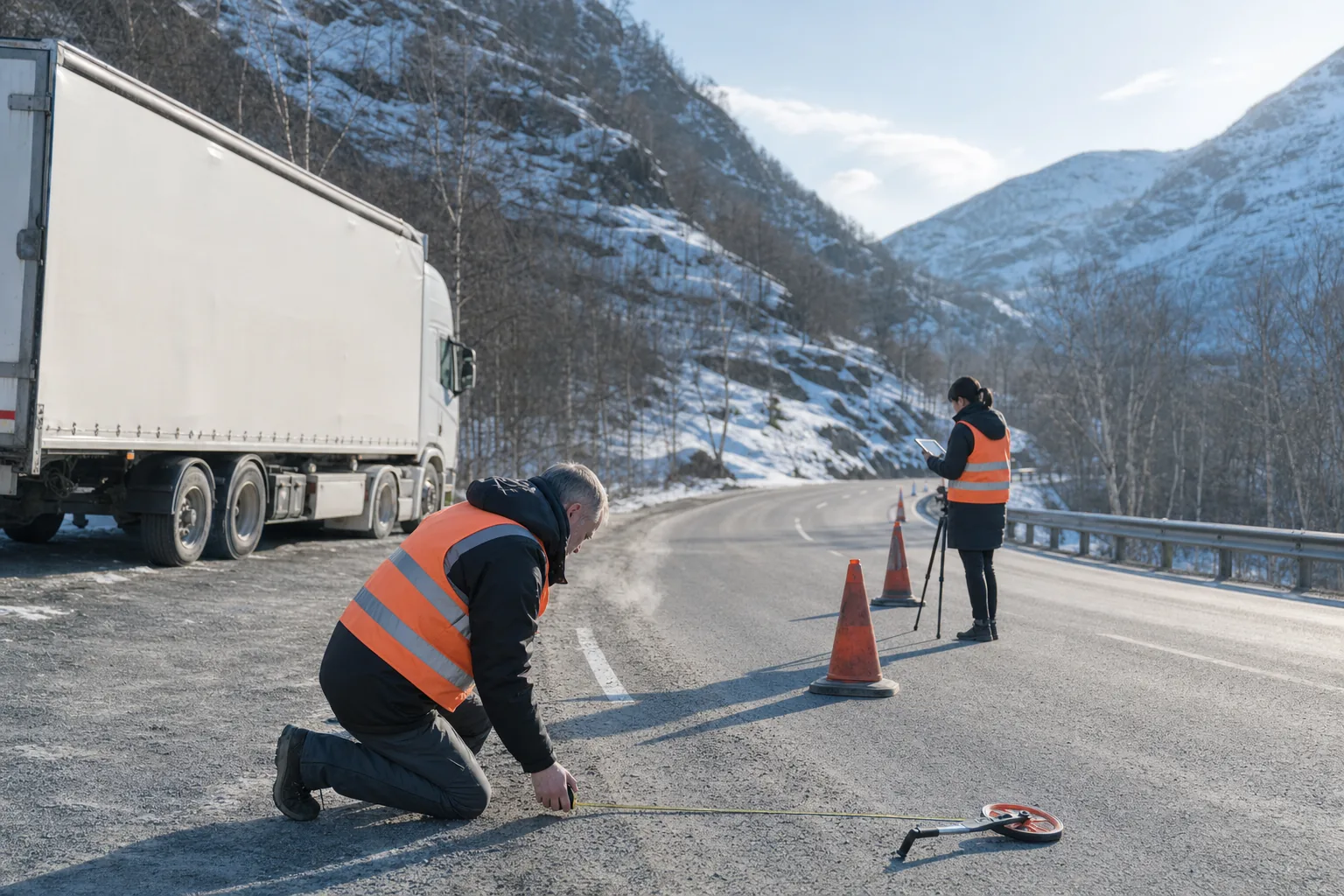
- According to NRK, since 2006 the Safety Investigation Authority has found faults in the brake system, particularly ABS, to be a contributing cause in four serious crashes involving articulated lorries.
- The authority has three times asked the Norwegian Public Roads Administration to follow up brake inspections of heavy vehicles.
- In January 2025 a report was published on a fatal collision between two articulated lorries on the E39 near Heim in Trøndelag.
- The Norwegian Public Roads Administration says it has followed up the Safety Investigation Authority’s recommendations.
The Norwegian Safety Investigation Authority investigates serious accidents to prevent new ones. It does not apportion blame. But when it points to the brakes time after time, the whistleblower Helge Andersen believes this ought to have consequences for the inspections. We tell his story in the main story The man who would not give up, and the whole series is on the topic page Brake Deaths. How the state follows up belongs under Public administration and NAV.
Four crashes
According to NRK, since 2006 the Safety Investigation Authority has found faults in the brake system, particularly problems with ABS, to be a contributing cause in four serious crashes: Lyngdal (2006), Vinjeøra (2011), Hjellebøl (2012) and Flekkefjord (2014). It has three times asked the Norwegian Public Roads Administration to act, each time concerning brake inspections of heavy vehicles. A former head of department at the authority told NRK: “There has been no change there.”
NRK also went through almost 100 of the Public Roads Administration’s own reports on fatal crashes involving heavy vehicles from 2004 to 2020. NRK found 19 crashes with clear similarities to the four, in which 20 people died. NRK stressed that brake distribution cannot be established as the main cause in these cases. The Public Roads Administration said brakes may have contributed in some of them, but were not the main cause.
The 2025 report
In January 2025 the Safety Investigation Authority published its report on a collision between two articulated lorries on the E39 Gurålivegen near Heim in Trøndelag on 16 January 2024. Among other things, it recommended that vehicle manufacturers agree on how a break in the brake connection between tractor unit and trailer should be checked and signalled, and pointed out that limited warning systems must be offset by better driver knowledge and better inspections.
Andersen read the report as confirmation. According to Andersen, he has warned about the lack of warnings in the cab since 2007. He stresses that, according to the report, both drivers had adjusted their speed:
Both drivers adjusted their speed before the bend and before the collision. Even so, this happens.
The quotation is Andersen’s rendering. Read the report yourself via the link in the list of sources. What the roller test can and cannot measure is explained in How the roller brake test works – and the criticism. That brakes can also matter in court is shown by the case Convicted over a fatal crash – acquitted 13 years later, and how the whistleblower was treated is described in He gave the idea to the suggestion box. Then he was moved.
The Public Roads Administration’s response
“We have followed up the safety recommendations made by the Safety Investigation Authority”, the Public Roads Administration’s director of roadside inspections told NRK in 2022. The agency considers roller brake testers the best inspection method.
Open questions
- Which of the Safety Investigation Authority’s recommendations on brakes on heavy vehicles have been closed, and which remain open?
- Why is the interaction of the brakes between vehicle and trailer not inspected?
- Who is responsible for the driver getting a clear warning when the brake connection fails?
Read more about Helge’s case here: The man who would not give up. The story is about the brake tests on articulated lorries, his warnings inside the Norwegian Public Roads Administration and what speaking up has cost him.
Read more
- The main story: The man who would not give up – Helge Andersen and the brake tests
- Part 2: “A week earlier the articulated lorry had been approved” – Markus “Webasto” Myrvold on the fatal accident in Lofoten
- Part 3: The lawyer who drove an articulated lorry – Sigurd Klomsæt on the drivers who are blamed
- Topic pages: Brake Deaths · Whistleblowing and whistleblowers · The courts · The public administration and NAV
- More articles in the series: How the roller brake test works – and the criticism · Convicted over a fatal crash – acquitted 13 years later · He gave the idea to the suggestion box. Then he was moved · Vehicle taken off the road after a brake test? What you can do
- The film interviews: Helge Andersen: Brake Deaths · Brake Deaths part 2 · Markus’ story · Gunnar Waagestad
- NRK Brennpunkt: “Kollisjon” (Collision, NRK TV, in Norwegian)
- Become a supporting memberComing soon
Sources
- NRK (8 November 2022): Fatal crashes on Norwegian roads may be caused by faults in lorry brakes (in Norwegian)
- Norwegian Safety Investigation Authority: Road report 2025/01 (E39, Heim)
- Norwegian Safety Investigation Authority: Report on the collision on the E39 near Flekkefjord, 22 October 2014
- Justice for All Norway: Helge Andersen – Brake Deaths (film interview)
- NRK Brennpunkt: Kollisjon (Collision)
Quotes translated from Norwegian.
Published 20 November 2026 at 14:01 · Updated 20.11.2026
About AI in our articlesSupporting members
Support Justice for All Norway from abroad
Membership of the association is open to people living in Norway. International supporting memberships are on their way, so that you can support our work wherever you live.
Become a supporting memberComing soon