News · Background
The method Norway teaches the world
The Norwegian police have an interviewing method that has become a model far beyond the country’s borders, and the UN has endorsed the principles it helped to shape. But what happens when the method is not used?
In brief
- KREATIV is the Norwegian police’s interviewing method. It is based on the British PEACE model.
- The aim is to gather information, not to extract a confession.
- The Méndez Principles from 2021 are an international standard for interviewing. Norwegian professionals helped to draw them up.
- The UN General Assembly referred to the principles in two resolutions in December 2022.
- Justice for All Norway believes that in many of the cases the association has access to, the method has not been followed.
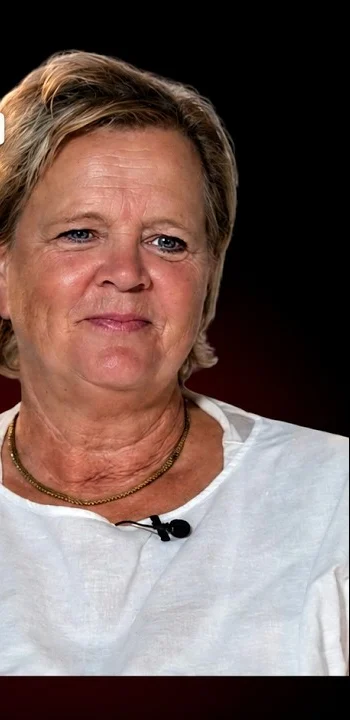
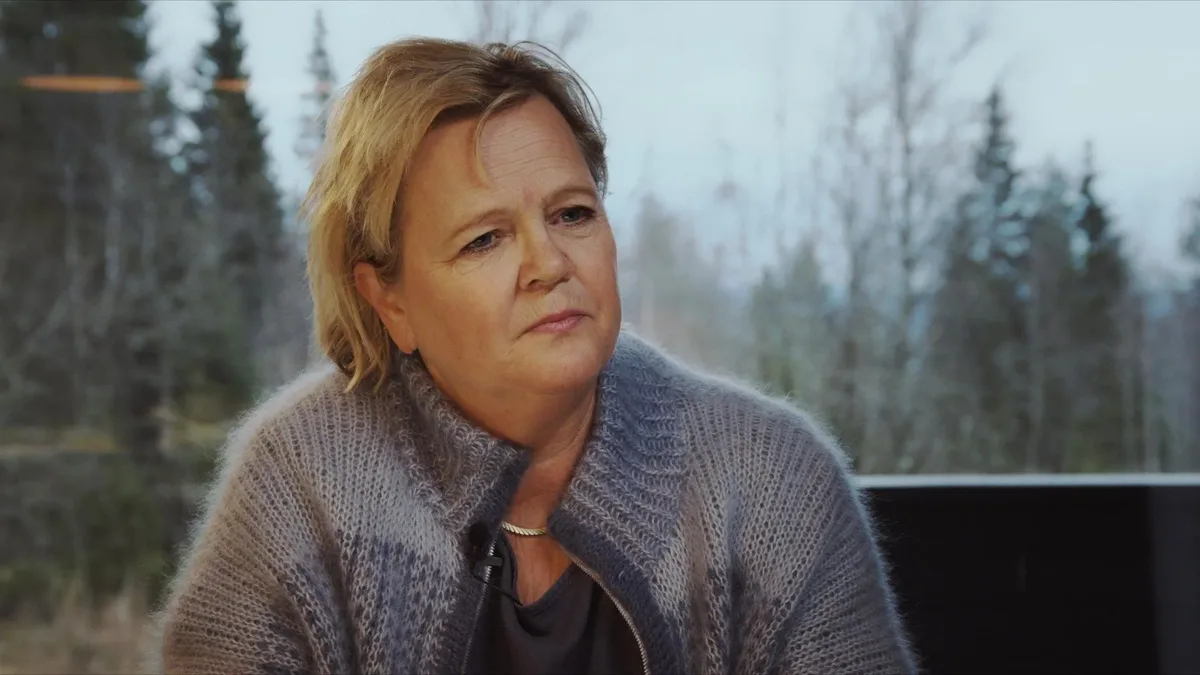
The first episode of the mini-series The K.R.E.A.T.I.V. method versus reality is about how the police handle criminal cases. Vigdis Bollerud, chair of Justice for All Norway and a former police investigator, goes through the method and the Director of Public Prosecutions’ circular no. 2/2016 on police interviews, point by point. She also describes what members of the association have experienced.
The interview is in Norwegian. English subtitles are coming.
This is KREATIV
KREATIV is the interviewing method of the Norwegian police. It is based on the British PEACE model, which was developed in England and Wales in the early 1990s after several cases of false confessions. The letters stand for communication, the rule of law, ethics and empathy, active awareness, trust through openness, information and a scientific foundation. That is how the Norwegian Centre for Human Rights at the University of Oslo describes the method.
The core is simple. The interview is meant to bring out information, not a confession. The investigator is to use open questions and test several explanations, including the one that the suspect is innocent. The investigator must also guard against tunnel vision and confirmation bias. The episode is built around precisely these points: the six phases, open and closed questions, hypothesis testing and the duty to look for innocence, strategic presentation of evidence, and vulnerable persons.
The Norwegian police have an interviewing method that has become an international standard: KREATIV. It is meant to ensure that the police gather information rather than extract confessions.
From Norway to the UN
In May 2021 the Principles on Effective Interviewing for Investigations and Information Gathering were presented. They are called the Méndez Principles, after Juan E. Méndez, former UN Special Rapporteur on Torture. In a report to the UN General Assembly in 2016, Méndez called for an international standard for interviewing without coercion. The principles were adopted by a steering committee of 15 experts. One of them was Detective Chief Superintendent Asbjørn Rachlew, who was also a visiting researcher at the Norwegian Centre for Human Rights. The Centre was behind the work together with the Association for the Prevention of Torture and the Anti-Torture Initiative.
The UN General Assembly referred to the principles in two resolutions of 15 December 2022: one on torture (A/RES/77/209) and one on human rights in the administration of justice (A/RES/77/219). That same autumn, 53 countries joined a joint statement in support of the principles. For many years Norwegian professional communities have taught interviewing methods to police in other countries, including through the programmes of the Norwegian Centre for Human Rights.
What our members tell us
In the episode Bollerud moves from theory to what members of the association have experienced. She describes two types of case, one of which very few people know about. Finally she gives seven practical pieces of advice for anyone called in for a police interview. The association stresses that you should contact a lawyer to get the best advice in your own case.
The recording as a safeguard
The Méndez Principles point to recording of the entire interview as an important safeguard: it provides a complete and authentic record of what was said. The same thinking lies behind the rules for court hearings. Under the Dispute Act and the Criminal Procedure Act, testimony at the main hearing and the appeal hearing shall be recorded, but this can be dispensed with when the court has no equipment. Read more in our articles on recording in court.
The questions we are asking
If Norway teaches a method designed to prevent tunnel vision and false confessions, who checks that the Norwegian police follow it themselves? How many police interviews in Norwegian criminal cases are recorded in full today? And what happens to a case when the interviewer has made up their mind in advance?
Sources
- Justice for All Norway: The K.R.E.A.T.I.V. method versus reality, episode 1 of 5
- Principles on Effective Interviewing for Investigations and Information Gathering (May 2021), PDF
- The Méndez Principles, official website
- UN document A/71/298 (Méndez’s report to the General Assembly, 2016)
- UN General Assembly A/RES/77/209 (torture, 15 December 2022)
- UN General Assembly A/RES/77/219 (human rights in the administration of justice, 15 December 2022)
- APT: overview of UN references to the principles (July 2026)
- University of Oslo, Norwegian Centre for Human Rights: KREATIV and the CPT (2020)
- University of Oslo: The Méndez Principles and the UN resolution (2023)
- The Dispute Act (tvisteloven) section 13-7 (Lovdata)
- The Criminal Procedure Act (straffeprosessloven) section 23 (Lovdata)
Quotes translated from Norwegian.
Published 4 November 2026 at 07:00
About AI in our articlesSupporting members
Support Justice for All Norway from abroad
Membership of the association is open to people living in Norway. International supporting memberships are on their way, so that you can support our work wherever you live.
Become a supporting memberComing soonSupport our work
Related articles
Three in four are refused when they apply for patient injury compensation

Limit values assess one substance at a time. The body meets many
Amicable settlement with VG: – We should simply have called you
We published the entire closing speech. The court makes no such recording itself
Children who speak out have the right to be taken seriously