News · The police · The police and the investigation
“Come to us”, say the police
The police and the authorities urge everyone subjected to domestic violence to come forward. The Director of Public Prosecutions has decided that these cases must be given priority. This is what the rules say – and this is what reviews of how they are followed show.
In brief
- The authorities urge everyone subjected to domestic violence to contact the police.
- The Director of Public Prosecutions has decided that domestic abuse must be prioritised, and that evidence should be secured in the first few days.
- As a rule, the victim should be given a fixed contact person and be told when a decision in the case is expected.
- In 2022 the Office of the Auditor General described the weaknesses in the authorities' work against domestic violence as serious.
- The public prosecutor's inspection in Innlandet found that the investigation of the history of violence was inadequate in most of the cases.
“Contact the police.” The call is made on the authorities' web pages about domestic violence. In an emergency you should ring 112, otherwise 02800. The police have run campaigns with the same message. But what is supposed to happen when you actually come forward? The rules for the police and investigations are clear. The question is whether they are followed.
What the police say
On the police's own web pages about domestic violence, the message is clear.
You must contact the police if you are injured, threatened, afraid of being subjected to violence, or fear for your life.
The same page also promises help to those who are unsure: “We can advise you on how to report.”
Benedicte Bjørnland, who was Director of the Norwegian Police when she wrote an op-ed in VG in April 2024, argued that the police cannot be present in private life without suspicion that violence is about to happen. But she added that the police themselves can do better.
But we can, on our own initiative, become better at preventing domestic violence.
What the Director of Public Prosecutions has decided
The Director of Public Prosecutions heads the prosecuting authority and issues guidelines on how the police must investigate. The circular on domestic violence from December 2023 sets out clear requirements. Cases of domestic abuse must be prioritised. Single incidents may be part of a pattern of long-term abuse. It may be necessary to act quickly to secure evidence.
Ideally, the bulk of witness interviews and other evidence gathering should be completed within the first few days after the police became aware of the matter.
The circular also states that it is “particularly important to meet the victim's need for information”, that the police should as a rule appoint a contact person for the victim, and that the prosecutor in charge must make sure the victim and the victim's lawyer are told when a decision in the case is expected and what the outcome is. The basic duties – to investigate swiftly and to keep the victim and the victim's lawyer informed of progress – are set out in section 93 e of the Criminal Procedure Act.

The circular is also clear about what the police must not do: “It is not acceptable to close reports of domestic violence without further enquiries, for example as 'settled at the scene'.”
What the public prosecutors found
How are the requirements followed up in practice? In September 2025 the public prosecutor in Innlandet presented a review of intimate partner homicides and serious cases of domestic violence and abuse. The report has been published by the Director of Public Prosecutions. Several of the cases showed “inadequate handling of the initial phase of the case”. In one case the police knew there was a risk of further violence, yet no case was opened.

Investigation of the history is inadequate in most of the cases.
The report concerns one police district. But it shows that the requirements in the circular do not become practice by themselves.
“Not worth going to the police with”
NKVTS has studied why many people do not report. One of its reports is called “Not worth going to the police with”. The title says something about how many of those affected see it. Only one in three of those subjected to serious physical violence by a partner had brought the matter to the police. The figures are in Psychological, financial, sexual and physical violence, and how the cases end in How can such a serious case be dropped?.
One example: Lena
Lena Marthinsen did not come forward herself. It was the hospital that alerted the police in June 2021. At first she felt well looked after. As she experienced it, what followed was the opposite of what the circular promises: she was not told that the investigation had been completed, and she asked for access to the case file from March 2022 and was given it in December 2025. In January 2025 she went to the police in Lillestrøm to report new matters and, according to her, was asked to come back in three weeks. The police have apologised for the time taken to handle her request for access.
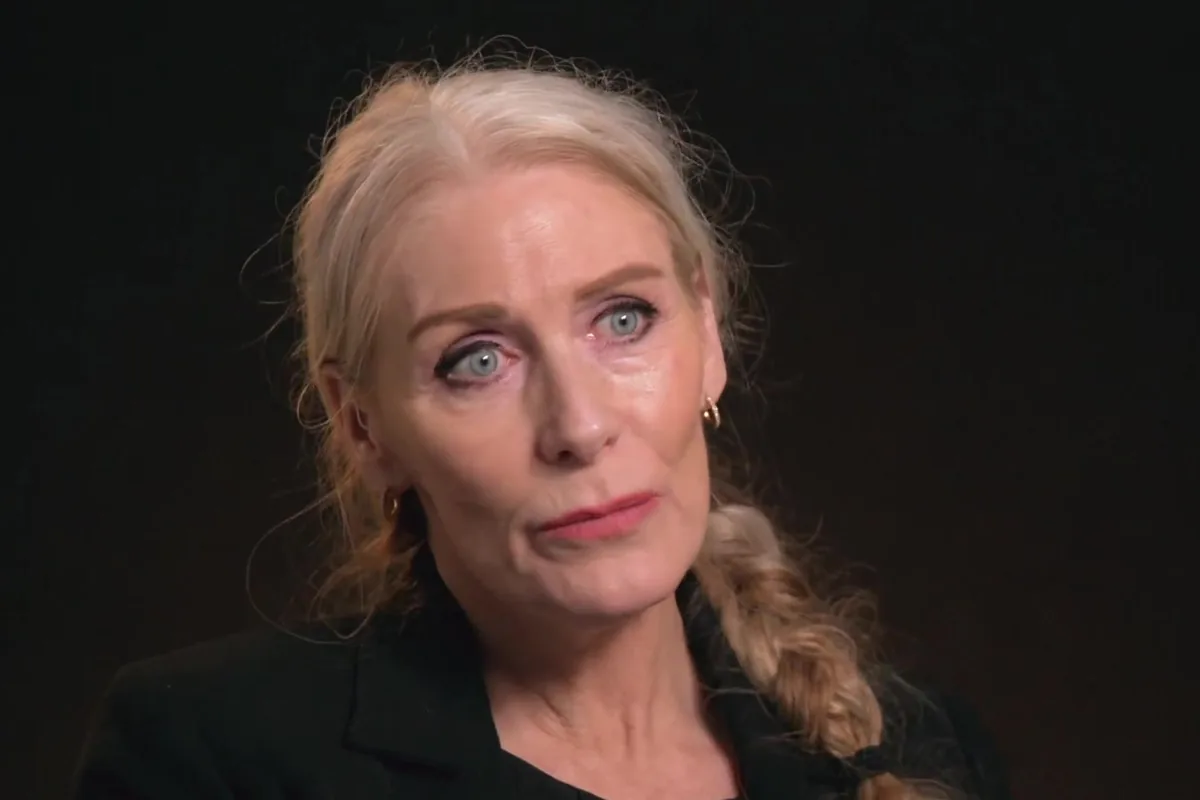
I have to say that I have become so frightened. There's no one you can trust any more.
Read more about Lena's case here: The Dating App. The first part covers the control, the violence, the night at the A&E clinic and the police report. The second part covers the arrest that was called off, the investigation and the two decisions to drop the case.
Open questions
- How many of those who report domestic violence are given a fixed contact person in the police, as the Director of Public Prosecutions requires?
- On average, how long does it take before a victim gets access to their own case file?
- How many people who turn up to report violence are asked to come back later?
Do you need help now? Call 112 in an emergency, the police on 02800 or the violence and abuse helpline on 116 006. Read more about how the police and the prosecuting authority work on the topic page The police and investigations. Become a supporting memberComing soon.
Read more
- The major story: The Dating App, part 1 – from a dating site to a police report · part 2 – the arrest that was called off
- Series: Psychological, financial, sexual and physical violence
- The series: 1,513 reported rapes. 128 indictments
- The series: How can such a serious case be dropped?
- The first story about Lena: The arrest that was called off
- Topic pages: The police and investigations · The prosecuting authority
- Become a supporting memberComing soon
Sources
- The Norwegian Police: Domestic violence (politiet.no, read 18 November 2026)
- Benedicte Bjørnland, Director of the Norwegian Police: “There will be more intimate partner homicides” (op-ed in VG, 12 April 2024)
- The Director of Public Prosecutions' circular no. 2/2023 on domestic violence (8 December 2023)
- The Public Prosecutor (Innlandet): Systematic learning from experience 2025 – intimate partner homicides and serious cases of domestic violence and abuse (30 September 2025, published by the Director of Public Prosecutions)
- The Office of the Auditor General: Document 3:8 (2021–2022), review of the authorities' work against domestic violence
- NKVTS report 1/2023: The prevalence of violence and abuse in the Norwegian population
- NKVTS report 5/2019: “Not worth going to the police with”
- The Norwegian Government: Seek help if you experience domestic violence
- The Criminal Procedure Act (Straffeprosessloven, Lovdata)
- Justice for All Norway: Lena Marthinsen – the film interview and the documentation
Quotes translated from Norwegian.
Published 18 November 2026 at 21:02 · Updated 18.11.2026
About AI in our articlesSupporting members
Support Justice for All Norway from abroad
Membership of the association is open to people living in Norway. International supporting memberships are on their way, so that you can support our work wherever you live.
Become a supporting memberComing soon