News · Dropped cases · The prosecuting authority
How can such a serious case be dropped?
Six in ten rape cases that are decided are dropped for insufficient evidence. Why can a case be strong enough for an arrest but too weak for charges? This is how dropped cases work – and what you can do if it happens in your case.

In brief
- A criminal case must be dropped when the prosecuting authority does not believe it can prove guilt in court (Criminal Procedure Act, section 62 a).
- Dropping a case for insufficient evidence is the most common decision in rape cases. In 2024 this applied to 793 of 1,301 cases.
- The victim can appeal to the public prosecutor. The deadline is three weeks from receipt of the notice (section 59 a).
- A case dropped for insufficient evidence can be reopened if significant new evidence emerges later (section 74).
- As a victim, you can ask to see the documents in the case (section 242).
Dropping a case is the prosecuting authority's decision that a criminal case will not go on to court. It is not an acquittal, and it does not mean that the police believe nothing happened. It means that the prosecuting authority does not believe it can prove guilt. For the person who reported it, the decision can nevertheless feel final. The answer to why so many serious cases end this way lies in the rules governing the prosecuting authority – and in how they are applied.
Two different standards of proof
To arrest someone, there must be “reasonable grounds for suspicion”. This means it is more likely than not that the person committed the act. To bring charges, far more is required: the prosecuting authority must itself be convinced that the person is guilty, and believe that this can be proved in court beyond reasonable doubt.
A case can therefore be strong enough for an arrest and still too weak for charges. When witness statements diverge and there is no forensic evidence, the strict standard of proof is often decisive.
Grounds for dropping a case
There are several types of decision to drop a case. “Insufficient evidence” means the prosecuting authority believes it cannot be proved who did what. “No criminal offence proven” means the prosecuting authority believes it cannot be proved that any offence took place. “Capacity” – dropping a case because prosecution is not in the public interest, or because the use of resources is out of proportion to the case – is used for less serious cases.
In rape cases, insufficient evidence is by far the most common reason. In 2024, 793 of 1,301 decided rape cases were dropped on this ground, according to the Director of Public Prosecutions' review. The full picture is set out in 1,513 reported rapes. 128 indictments. The Office of the Auditor General has pointed out that domestic abuse and rape are the offences most often dropped for lack of evidence.
What you can do
- Appeal within three weeks. The appeal is sent to the police, who forward it to the public prosecutor. You do not have to wait for the documents before appealing – write that you are appealing and that your reasons will follow.
- Ask for access straight away. As the aggrieved party you can ask to see the documents. Ask in writing, and note the date.
- Use your counsel for the aggrieved party. In cases of rape and domestic abuse you are entitled to a counsel for the aggrieved party (bistandsadvokat), paid for by the state. Your counsel must keep you informed.
- New evidence can reopen the case. If significant evidence emerges later, the case can be resumed.
- Complain about misconduct. If you believe the police have committed criminal errors, you can report it to the Norwegian Bureau for the Investigation of Police Affairs. The Bureau does not assess whether the decision to drop the case was correct.

One example: Lena
On 23 June 2021, the prosecuting authority decided to arrest the man Lena Marthinsen had reported for violence and rape. The next day the arrest was reversed. On 3 March 2022, the case was dropped for insufficient evidence. Lena was told about the decision on 8 March, and the deadline for appealing expired on 29 March. According to her, she had by then not read a single page of the case file, which ran to more than 500 pages.
The public prosecutor upheld the decision to drop the case: the parties had had a turbulent relationship with physical confrontations, but the witness statements diverged, and the strict standard of proof was not met. Lena then asked for access to the case file for more than three years. In November 2025, the police apologised in writing that handling her request for access had taken too long. After two new interviews in 2026, the case was dropped again.
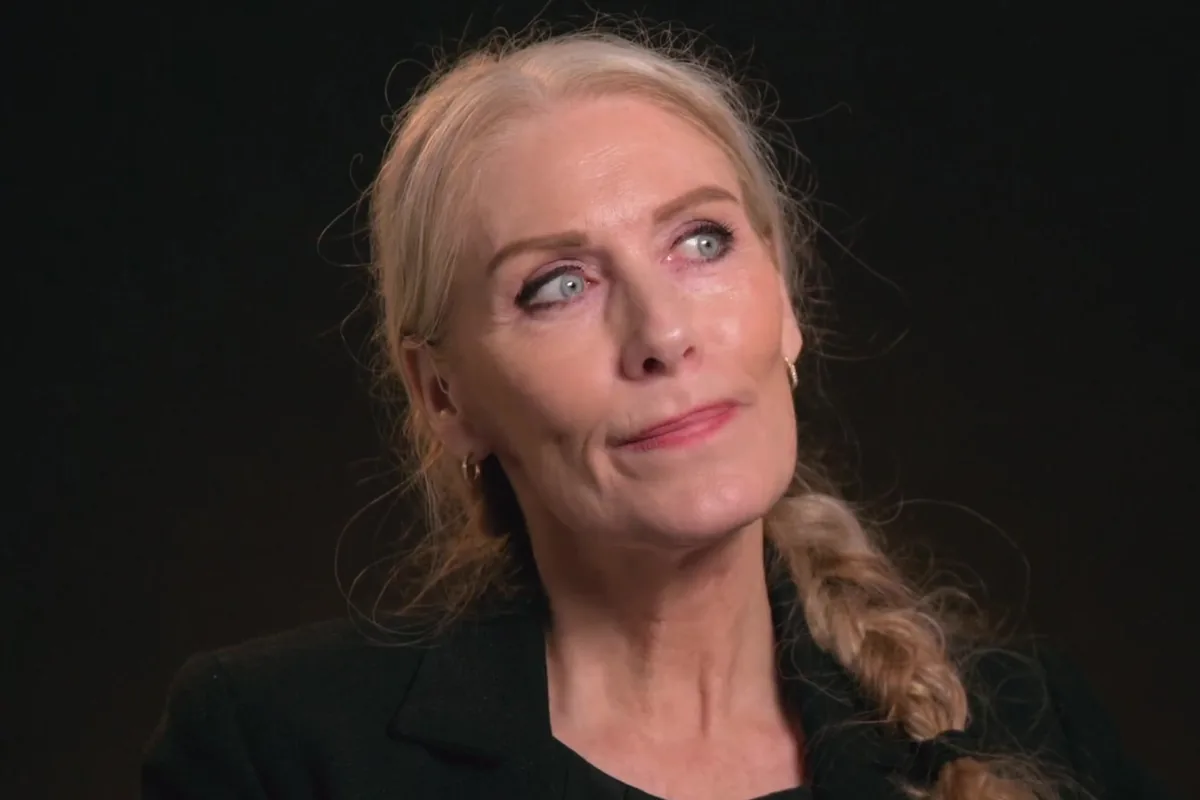
I had not been allowed to read or hear a single letter of the case.
Read more about Lena's case here: The Dating App. The first part covers the control, the violence, the night at the A&E clinic and the police report. The second part covers the arrest that was called off, the investigation and the two decisions to drop the case.
Open questions
- How many victims get access to the documents before the deadline for appealing expires?
- Were Lena or her lawyer notified when the investigation was concluded in December 2021, as the rules presuppose?
- What are the reasons for the new decision to drop the case in 2026?
Read more
- The major story: The Dating App, part 1 – from a dating site to a police report · part 2 – the arrest that was called off
- Series: Psychological, financial, sexual and physical violence
- The series: 1,513 reported rapes. 128 indictments
- The series: “Come to us”, say the police
- The first story about Lena: The arrest that was called off
- Topic pages: The police and investigations · The prosecuting authority
- Become a supporting memberComing soon
Sources
- The Criminal Procedure Act (Straffeprosessloven, Lovdata)
- The Director of Public Prosecutions: Quality review 2024 – national report on rape cases (18 March 2025)
- The Office of the Auditor General: Document 3:8 (2021–2022), review of the authorities' work against domestic violence
- The Director of Public Prosecutions' circular no. 2/2023 on domestic violence (8 December 2023)
- Justice for All Norway: Lena Marthinsen – the film interview and the documentation
Quotes translated from Norwegian.
Published 18 November 2026 at 21:03 · Updated 18.11.2026
About AI in our articlesSupporting members
Support Justice for All Norway from abroad
Membership of the association is open to people living in Norway. International supporting memberships are on their way, so that you can support our work wherever you live.
Become a supporting memberComing soon