News · Domestic violence · The police and the investigation
Psychological, financial, sexual and physical violence
Domestic violence is more than blows. The law also covers threats, control and sexual abuse. This is what the national surveys show about its extent – and how little of it the police ever hear about.

In brief
- Section 282 of the Penal Code on abuse in close relationships covers threats, coercion, deprivation of liberty, violence and other violations – including psychological abuse.
- One in ten women in Norway has been subjected to serious physical violence from a partner, according to the national prevalence survey from 2023.
- 14 per cent of women have been raped by force or coercion. 11 per cent have been raped while asleep or intoxicated.
- The police knew about the violence in only one in five cases of rape, and in one in three cases of serious physical violence.
- For financial violence, there are no national figures in the official sources we have reviewed.
Domestic violence is one of the most common forms of serious crime in Norway, and one of those the police least often hear about. It can be psychological, financial, sexual and physical – often several of these at once, and often over a long period. How the police handle such cases once they are reported is something we cover under the police and investigations.
What the law covers
Section 282 of the Penal Code on abuse in close relationships applies to anyone who, through threats, coercion, deprivation of liberty, violence or other violations, seriously or repeatedly abuses a partner, a former partner or a family member. The provision also covers psychological abuse. Psychological violence can therefore be reported to the police, even if no one has struck a blow.
Psychological violence means threats, control, surveillance, humiliation and isolation from friends and family. NKVTS found that women and men report controlling behaviour from a partner to roughly the same extent. But women are far more exposed to the serious violence, and more women than men say they were afraid of being injured or killed.
Financial violence means control over money, housing and possessions: one partner deciding over the other's wages, taking out loans in the other's name or preventing the other from working. It is harder to count. In the official sources we have reviewed, we have found no national figures for how many people are subjected to it.

Sexual violence means rape and other sexual abuse, including within a relationship. More than one in ten women (14 per cent) have been raped by force or coercion at least once in their lives, and 11 per cent have been raped while asleep or intoxicated. One in twenty women has been raped by force or coercion by a partner. The researchers link this to the fact that women are often raped by someone they know.
Physical violence means blows, kicks, strangulation and attacks with objects. One in ten women has been subjected to serious physical violence from a partner. Among men the figure is three per cent.
How the figures were found
In 2023, the Norwegian Centre for Violence and Traumatic Stress Studies (NKVTS) asked more than 4,000 women and men aged 18 to 74 about their experiences of violence and abuse. It is the second major prevalence survey in Norway. The first was carried out in 2014. Because people are asked directly, the survey also captures the violence that is never reported – which is most of it.

Most never report it
Perhaps the most important figure in the survey is how few cases the police hear about. Only one in five of those who had been raped had brought the matter to the police. The most common reasons for not reporting were that the violence did not feel serious enough, that people did not want to involve the police, and that they feared what a report would lead to. What happens to the cases that are actually reported is something we have examined in rape cases in the criminal justice chain and in why serious cases are dropped.
When the violence ends in killing
In 2024, ten people were killed by a current or former partner or boyfriend or girlfriend. Nine of them were women. That is more than the average for the previous ten years. In total, 65 per cent of homicide victims that year were killed by someone in a close relationship.
The Partner Homicide Committee found that most intimate partner homicides were preceded by one or more warning signs, the Office of the Auditor General writes. The police and the support services did not put preventive measures in place in time.
One example: Lena
Lena Marthinsen spent almost eight years in a relationship she describes as marked by control, violence and rape – all four forms in the same relationship. According to her, she sold her house in order to buy a new one together with the man, and the shared house was never bought. She did not report it herself. It was the hospital that alerted the police in June 2021.
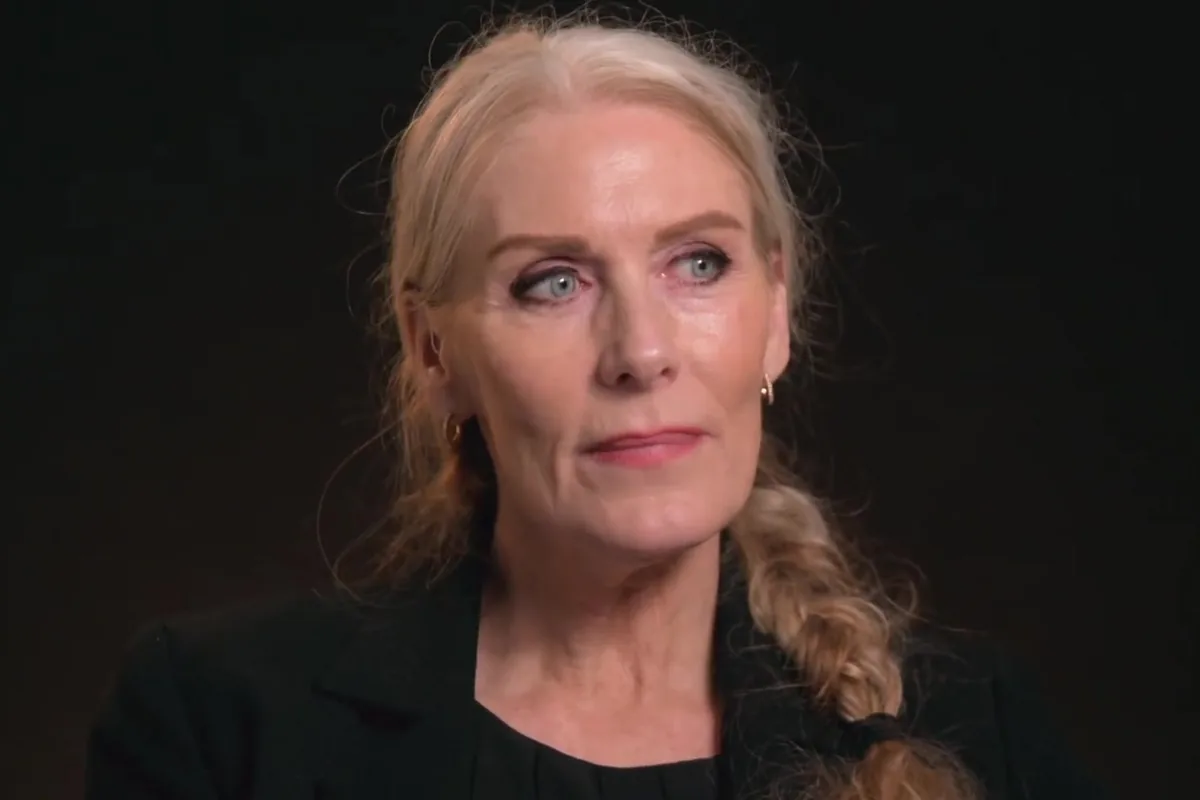
I don't dare report it.
Read more about Lena's case here: The Dating App. The first part covers the control, the violence, the night at the A&E clinic and the police report. The second part covers the arrest that was called off, the investigation and the two decisions to drop the case.
Open questions
- How many of the domestic abuse cases reported each year end in an indictment – and how many are dropped for insufficient evidence?
- Why are there no national figures for financial abuse?
- How many of the women killed by a partner had reported him beforehand?
Are you being subjected to violence now? Ring the police on 112 in an emergency or the Violence and Abuse Helpline on 116 006. Do you have experience of how the police and the prosecuting authority handled your case? Become a supporting memberComing soon.
Read more
- The major story: The Dating App, part 1 – from a dating site to a police report · part 2 – the arrest that was called off
- The series: 1,513 reported rapes. 128 indictments
- The series: How can such a serious case be dropped?
- The series: “Come to us”, say the police
- The first story about Lena: The arrest that was called off
- Topic pages: The police and investigations · The prosecuting authority
- Become a supporting memberComing soon
Sources
- NKVTS report 1/2023: The prevalence of violence and abuse in the Norwegian population
- Kripos: National homicide overview 2024 (15 January 2025)
- The Office of the Auditor General: Document 3:8 (2021–2022), review of the authorities' work against domestic violence
- Justice for All Norway: Lena Marthinsen – the film interview and the documentation
Quotes translated from Norwegian.
Published 18 November 2026 at 21:05 · Updated 18.11.2026
About AI in our articlesSupporting members
Support Justice for All Norway from abroad
Membership of the association is open to people living in Norway. International supporting memberships are on their way, so that you can support our work wherever you live.
Become a supporting memberComing soon