News · Rape · The police and the investigation
1,513 reported rapes. 128 indictments
In 2024, 1,513 rapes were reported in Norway. That same year, fewer than one in ten decided cases ended in an indictment. The Director of Public Prosecutions' own review shows where the cases stall.
In brief
- 1,513 rapes were reported in 2024. That same year, the police reached a prosecution decision in 1,301 rape cases.
- 128 of the cases ended in an indictment – 9.8 per cent. 793 were dropped for insufficient evidence.
- The clear-up rate has fallen from 34 per cent in 2019 to 26 per cent in 2024, according to the Director of Public Prosecutions.
- In 44 per cent of the cases there were investigative steps that should have been taken, most often securing electronic evidence.
- In 2024, 37 per cent of rape cases that went to court ended in acquittal.
Every year, around 1,500 people report a rape to the police. Only a small minority of the cases end up in court. In 2024, the Director of Public Prosecutions reviewed the rape cases in every police district in the country to see where in the chain they stall – and what the police themselves could have done better. The question concerns the prosecuting authority as much as the police.
From report to judgment
The Director of Public Prosecutions' report came in March 2025. It shows that 1,513 rapes were reported in 2024. The number has been between 1,500 and 1,700 over the past five years.
That same year, the police reached a prosecution decision in 1,301 rape cases. 128 ended in an indictment. That is 9.8 per cent. By far the largest group, 793 cases, was dropped for insufficient evidence. That is six in ten.
The figures for judgments and reports do not concern the same cases. A rape reported in 2023 may lead to a conviction in 2025. Even so, they give a picture: of around 1,500 reports a year, a hundred or so end in a conviction. And most rapes are never reported. Only one in five of those affected had brought the matter to the police, according to the NKVTS prevalence survey. More on that in Psychological, financial, sexual and physical violence.
Word against word
The Director of Public Prosecutions writes that the evidence in rape cases is often difficult. Few of those reported deny sexual contact. Many say it was consensual. In most cases it is word against word, and there is rarely evidence that directly sheds light on the assault itself.
All the more important is what can be secured around the incident: messages, phone data, witnesses, injuries and traces. The review found weaknesses precisely here. In 44 per cent of the cases there were investigative steps that should have been taken, most often securing electronic evidence. In a quarter of the cases the suspect was not interviewed within a reasonable time – without this being due to circumstances beyond the police's control.

The interview with the person who reported the rape is also evidence. It is supposed to be recorded on sound and video, so that the court can later see and hear the account as it was given. This was missing in almost a quarter of the cases.

Investigation is an obligation of effort: a case can be fully investigated regardless of whether the outcome is an indictment or a decision to drop it.
When the rape becomes part of something else
In domestic violence cases, a rape can be investigated as part of the abuse under section 282 of the Penal Code. The abuse provision can cover sexual violence. But the Director of Public Prosecutions has asked the police to consider whether separate cases for sexual offences should be opened in such cases, so that the investigation is also directed at the assault. Otherwise the rape can disappear within a larger case.
One example: Lena
In Lena Marthinsen's case, rape was listed in the police report of 14 June 2021. The decision to arrest nine days later was based on suspicion of abuse in a close relationship – with “physical, psychological and sexual violence” as the grounds. When Lena was given access to the case file in 2025, the reported offence was recorded as “abuse in a close relationship with bodily harm”. Whether a separate sexual offence case was considered is not apparent from the documents we have seen. The case was dropped.
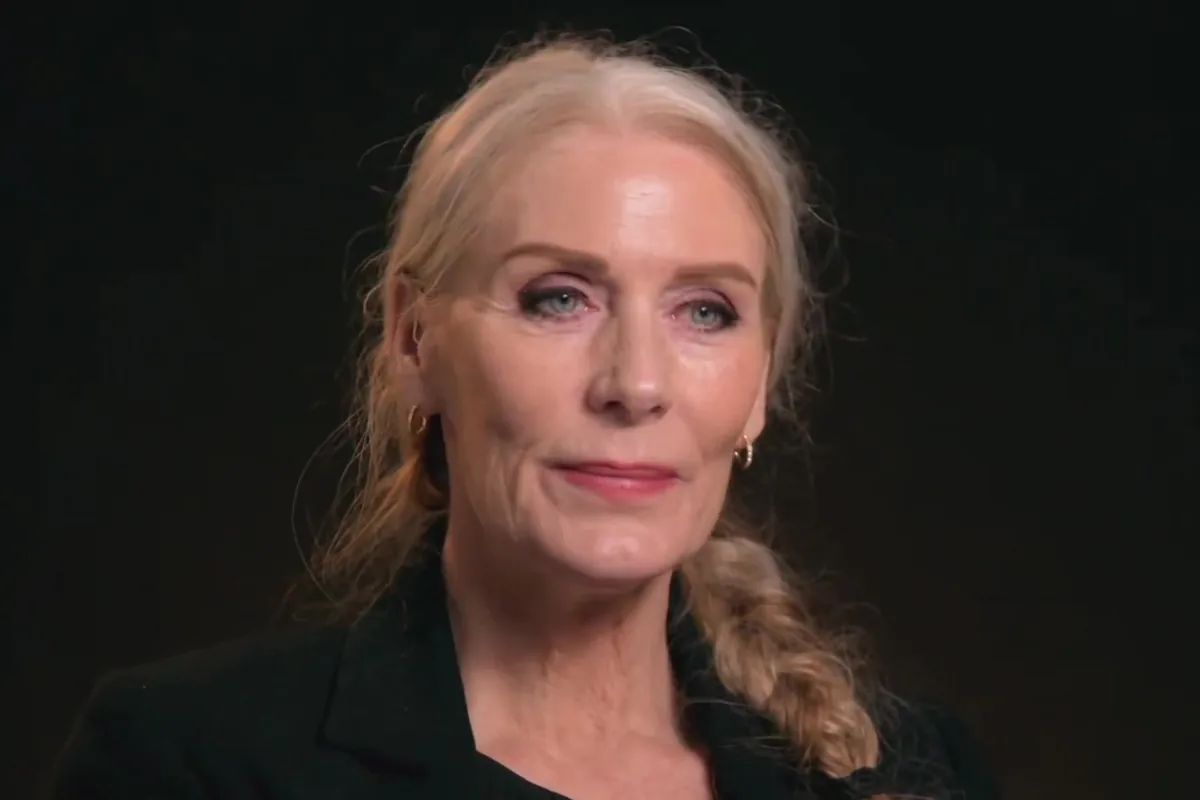
Read more about Lena's case here: The Dating App. The first part covers the control, the violence, the night at the A&E clinic and the police report. The second part covers the arrest that was called off, the investigation and the two decisions to drop the case.
Open questions
- Why is the proportion of rape cases ending in an indictment falling – while the proportion of acquittals in court is rising?
- How many reports of rape in close relationships are registered and investigated only as abuse under section 282?
- Why are audio and video recordings of the victim's interview missing in almost one case in four?
Have you reported a rape and seen the case dropped? How to appeal is explained in How can such a serious case be dropped?. And become a member here if you would like to share your experience with us.
Read more
- The major story: The Dating App, part 1 – from a dating site to a police report · part 2 – the arrest that was called off
- Series: Psychological, financial, sexual and physical violence
- The series: How can such a serious case be dropped?
- The series: “Come to us”, say the police
- The first story about Lena: The arrest that was called off
- Topic pages: The police and investigations · The prosecuting authority
- Become a supporting memberComing soon
Sources
- The Director of Public Prosecutions: Quality review 2024 – national report on rape cases (18 March 2025)
- The Director of Public Prosecutions' circular no. 2/2023 on domestic violence (8 December 2023)
- NKVTS report 1/2023: The prevalence of violence and abuse in the Norwegian population
- Justice for All Norway: Lena Marthinsen – the film interview and the documentation
Quotes translated from Norwegian.
Published 18 November 2026 at 21:04 · Updated 18.11.2026
About AI in our articlesSupporting members
Support Justice for All Norway from abroad
Membership of the association is open to people living in Norway. International supporting memberships are on their way, so that you can support our work wherever you live.
Become a supporting memberComing soon