News · Rules and advice · Whistleblowing and whistleblowers
Bullying and exclusion after whistleblowing: what the law says
Bullying in the workplace is prohibited. The employer must ensure a fully satisfactory psychosocial working environment, and no one must be subjected to harassment. When the bullying occurs as a result of or in response to you having blown the whistle in accordance with the rules, it is also unlawful retaliation. Here are the rules, and what the whistleblowers we have spoken to have experienced.

In brief
- Employees must not be subjected to harassment or other improper conduct (the Working Environment Act (arbeidsmiljøloven) section 4-3 fifth paragraph).
- The psychosocial working environment must be fully satisfactory, and the work must safeguard integrity and dignity (section 4-3).
- Social exclusion, harassment and changes in work duties may be unlawful retaliation under section 2 A-4 when this happens as a result of or in response to whistleblowing.
- If you present information that gives reason to believe that you have been subjected to retaliation, the employer must make it probable that this has not happened (section 2 A-4 fourth paragraph).
- You can claim compensation for non-economic loss and damages regardless of fault (section 2 A-5), and the Norwegian Labour Inspection Authority can issue orders (section 18-6).
Bullying in the workplace consists of repeated acts, omissions or statements that are offensive, intimidating or degrading. It may involve obvious attacks, but more often it is about the quiet things: that you are not invited, that tasks disappear, that no one answers when you speak. The Working Environment Act prohibits it, and the employer has a duty to intervene. When it happens as a result of or in response to you having blown the whistle in accordance with the rules, it may be unlawful retaliation. The guide belongs to the topic page on whistleblowing and whistleblowers.
The first part explains the rules. The second part is about what the whistleblowers we have spoken to have told us about exclusion after they spoke up.
These are the rules
The requirement for the psychosocial working environment
Under the Working Environment Act section 4-1, the working environment must be fully satisfactory, including as regards factors that may affect mental health. Section 4-3 sets out specific requirements for the psychosocial working environment. The work must be organised so that the psychosocial factors are fully satisfactory, and so that the employee’s integrity and dignity are safeguarded. The work must also provide an opportunity for contact and communication with others in the undertaking.
The fifth paragraph is central: “Employees must not be subjected to harassment, including sexual harassment, or other improper conduct.” Harassment is defined as acts, omissions or statements whose purpose or effect is to be offensive, intimidating, hostile, degrading or humiliating. This means that what the person bullying you intended is not decisive. The effect counts.
Who is responsible?
The employer is responsible for the working environment. But the law also gives others roles. Employees must notify the employer or the safety representative when they become aware of harassment in the workplace (section 2-3 second paragraph letter d). The safety representative must in particular ensure that the employees’ psychosocial working environment is safeguarded (section 6-2). The Norwegian Labour Inspection Authority can issue orders and make decisions to ensure that the rules are followed (section 18-6).
When the bullying comes after a whistleblowing report
If you have blown the whistle about censurable conditions, stronger protection applies. Under section 2 A-4, retaliation is prohibited, and the law expressly mentions “threats, harassment, unjustified differential treatment, social exclusion or other improper conduct”, in addition to changes in work duties, relocation and demotion. Exclusion is therefore not just a poor working environment. It may be a breach of the law.
The employer also has a duty to act. Under section 2 A-3, the employer must in particular ensure that the person who has blown the whistle has a fully satisfactory working environment, and, if necessary, implement measures to prevent retaliation. If you present information that gives reason to believe that you have been subjected to retaliation, the employer must make it probable that this has nevertheless not happened (section 2 A-4 fourth paragraph).
In the event of a breach of the prohibition against retaliation, you can claim compensation for non-economic loss and damages regardless of fault (section 2 A-5). Compensation for non-economic loss is determined on the basis of the parties’ circumstances, how serious the retaliation is, and the circumstances otherwise. How to blow the whistle responsibly is set out in How to blow the whistle at work. If you are dismissed, see Unfair dismissal: protection, deadlines and negotiation meeting.
If you are being frozen out after speaking up, you do not have to stand alone. Become a supporting member – coming soon.
See also the guide How to find a good lawyer for your type of case?.
This is our members’ experience
What follows is based on film interviews and recordings published by Justice for All Norway. These are experiences, not documented facts about all cases. The employers have not commented here, and we do not take a position on the specific cases.
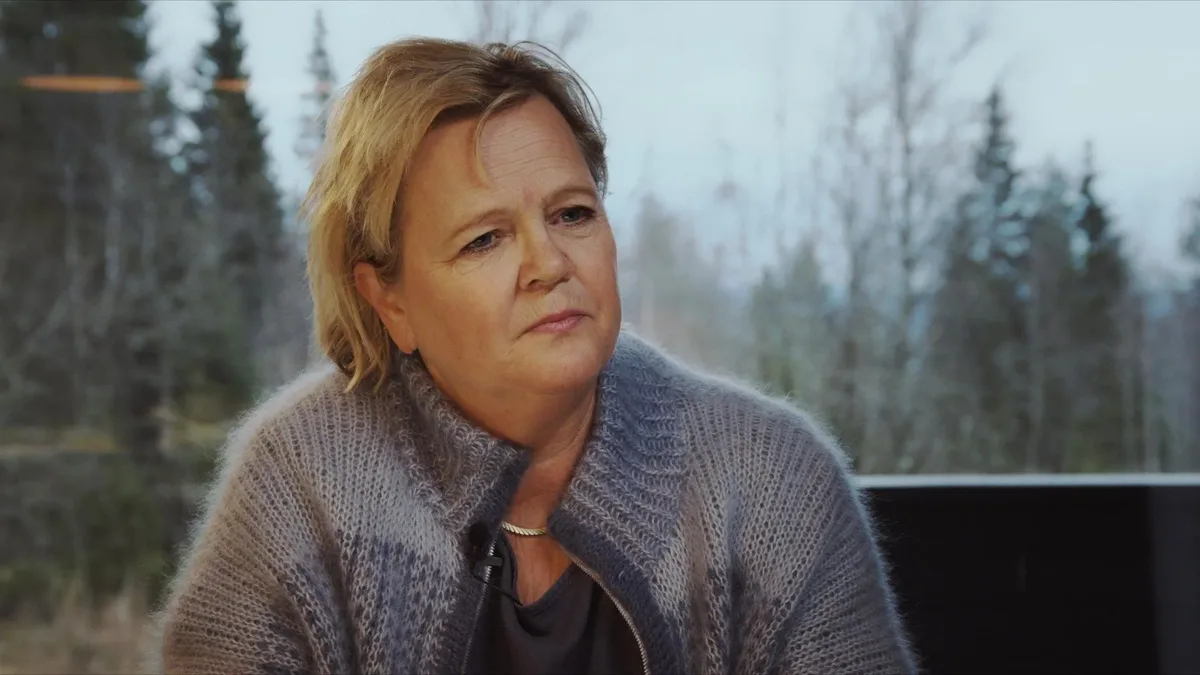
Police whistleblower Vigdis Bollerud has brought a case against the state concerning her dismissal from the police after whistleblowing. She describes retaliation as part of what she experienced. In the closing argument in the case, her lawyer, Geir Jesinsky, described unlawful retaliation as a form of bullying, and referred to the fact that the law prohibits it. These are the lawyer’s submissions on behalf of the client, not the court’s assessment.
The gap between the law and reality is clear. The law is clear that freezing someone out after whistleblowing is prohibited, and that the employer must show that it has not happened. But the whistleblowers we have spoken to say that it takes a long time before anyone intervenes, and that it is often they themselves who have to document everything. Is that accidental, or is it a pattern when the whistleblower stands alone against management? We cannot answer that for all cases. The advice from everyone is therefore the same: write down what is happening, with the date, as it happens.
How to proceed
- Keep a log: date, what happened, who was present.
- Notify your immediate manager in writing, and copy in the safety representative or union representative.
- Refer to the Working Environment Act § 4-3 and, if you have made a whistleblowing report, § 2 A-4.
- Ask for the case to be investigated, and for a written reply on what is being done.
- Contact the Norwegian Labour Inspection Authority if the employer does not act, and get advice from a lawyer about deadlines.
Would you like help and a community? Become a supporting member – coming soon. As a member, you get access to the tools in the members’ area and to groups with people who have been through the same thing.
Frequently asked questions
What counts as bullying in the workplace?
The Working Environment Act uses the word harassment. Under § 4-3, fifth paragraph, it means acts, omissions or statements whose purpose or effect is to be offensive, intimidating, hostile, degrading or humiliating. It is the effect on the person affected that counts, not only what the other person intended.
What does the law say about bullying at work?
Under the Working Environment Act § 4-3, employees must not be subjected to harassment or other improper conduct, and the psychosocial working environment must be fully satisfactory. The employer is responsible. Employees must report harassment under § 2-3, and the safety representative must ensure that the working environment is safeguarded under § 6-2.
Is being frozen out after whistleblowing unlawful?
It may be unlawful. Under the Working Environment Act § 2 A-4, retaliation against someone who has blown the whistle in accordance with the rules is prohibited. Social exclusion, harassment and changes to duties are mentioned as examples when the act is a result of or a response to the whistleblowing. If you present information that gives reason to believe retaliation has occurred, the employer must make it likely that it nevertheless has not occurred.
Can I receive compensation for workplace bullying?
If the bullying is retaliation after whistleblowing, you can claim non-pecuniary damages and compensation regardless of the employer’s fault, under the Working Environment Act § 2 A-5. In other cases, the claim must be based on the ordinary rules on damages, and it is usually required that the employer can be blamed. Get advice from a lawyer or union representative.
Can the Norwegian Labour Inspection Authority help with bullying?
The Norwegian Labour Inspection Authority does not handle individual conflicts like a court, but it can supervise compliance with the working environment rules and the rules on internal whistleblowing procedures, and issue orders under § 2 A-6, cf. § 18-6. Questions of retaliation after whistleblowing may be brought before the Anti-Discrimination Tribunal, and claims for compensation must normally be directed at the employer or dealt with by the courts. The safety representative may also notify the Norwegian Labour Inspection Authority when the employer fails to follow up, under § 6-2.
Sources
- Lovdata: the Working Environment Act § 4-3 – requirements for the psychosocial working environment
- Lovdata: the Working Environment Act § 4-1 – general requirements for the working environment
- Lovdata: the Working Environment Act § 2 A-3 – the employer’s duty to act in whistleblowing cases
- Lovdata: the Working Environment Act § 2 A-4 – prohibition against retaliation
- Lovdata: the Working Environment Act § 2 A-5 – non-pecuniary damages and compensation
- Lovdata: the Working Environment Act § 6-2 – the safety representative’s duties
- Lovdata: the Working Environment Act § 18-6 – orders from the Norwegian Labour Inspection Authority
- Justice for All Norway: We published the full closing argument. The court does not make such a recording itself
- Fact check: the legal references have been checked against Lovdata’s open data (current acts, retrieved 15 November 2026), and the other information against official online sources on 20 November 2026.
Quotes translated from Norwegian.
Published 20 November 2026 · Last updated 20 November 2026
About AI in our articlesSupporting members
Support Justice for All Norway from abroad
Membership of the association is open to people living in Norway. International supporting memberships are on their way, so that you can support our work wherever you live.
Become a supporting memberComing soon