The major story · Part 1 of 2
The whistleblower versus the state
Ten years of reports and complaints, the authorities' responses and what six witnesses told Oslo District Court.
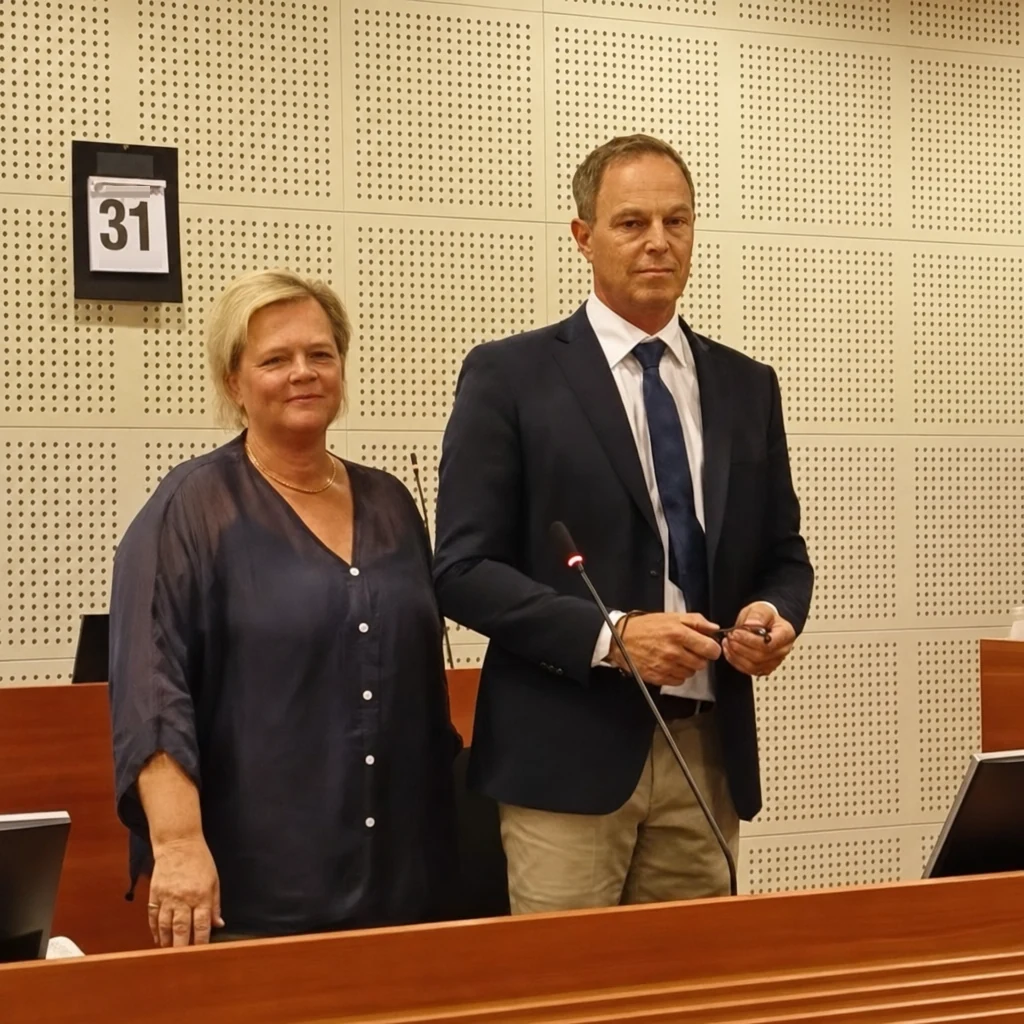

The police whistleblower Vigdis Bollerud was summarily dismissed from the South-East Police District in 2024 and sued the state. The case was heard in Oslo District Court in October 2026. Here we collect everything we have published about the trial: her own evidence, the witnesses, the closing speeches and the fact articles. Judgment has not yet been delivered.
The major story · Part 1 of 2
Ten years of reports and complaints, the authorities' responses and what six witnesses told Oslo District Court.
The major story · Part 2 of 2
The lawyer who warned of a police state, the state that said she has been heard but not believed – and the judgment that is due soon.
Whistleblowing in the police
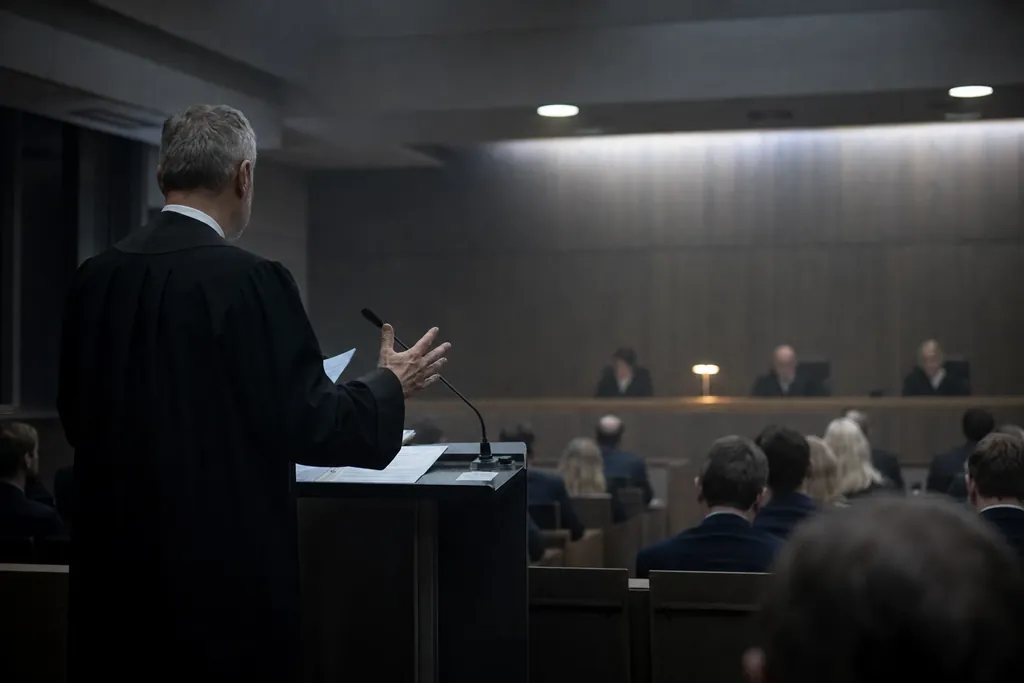
For two and a half hours the police whistleblower gave evidence to the court about her dismissal from the South-East Police District. She went through ten years of whistleblowing reports, police reports and replies from the authorities. The state says the case is about something else: her posts on social media. Judgment has not been delivered.

Witness in court
Morten Wold, Member of Parliament for the Progress Party (Frp) and former First Vice-President of the Storting, gave evidence in Vigdis Bollerud's case against the state. He described five meetings at the Storting, the advice he gave her about social media, and why he believes her dismissal looks like retaliation. The state's lawyer challenged him on his choice of words. This is the full account.

Recordings in court
The entire closing speech in Vigdis Bollerud’s case against the state is now openly available online, minute by minute. In many Norwegian courtrooms there is no recording of what is said. What remains are the judge’s own notes.

The rule of law
Under the rule of law, all power is bound by laws that apply to everyone. In a police state, the authorities intervene without legal basis, unpredictably and arbitrarily. The words were used in Oslo District Court in October. This is what they mean, and how the Constitution is meant to stop the one from sliding into the other.

Freedom of expression
State employees have freedom of expression, including when they criticise their own employer. But the duty of loyalty sets limits, and the Civil Servants Act allows dismissal for “improper conduct”. These are the rules, the factors the courts weigh – and the arguments on both sides in a case that is now awaiting judgment.

The courts
In a dismissal case, many of the witnesses work for one of the parties: managers, HR staff and lawyers who took part in the decision. They have the same duty to tell the truth as everyone else. The court freely assesses how much weight their testimony should carry. This is how it works.

The courts
When a state employee sues the state over a summary dismissal, the judgment can go three ways: the dismissal is valid, it is invalid, or it is invalid but the employment still ends. Then come the questions of compensation, legal costs and appeal. These are the rules.

Whistleblowing and language
Call someone a conspiracy theorist, and the conversation is no longer about what they put forward, but about them. For a whistleblower, that can decide whether anyone reads the documents at all. At the same time, conspiracies do exist, and they have often been exposed by people who spoke up. The phrase can be used with good reason. But it can never replace an answer to the arguments.
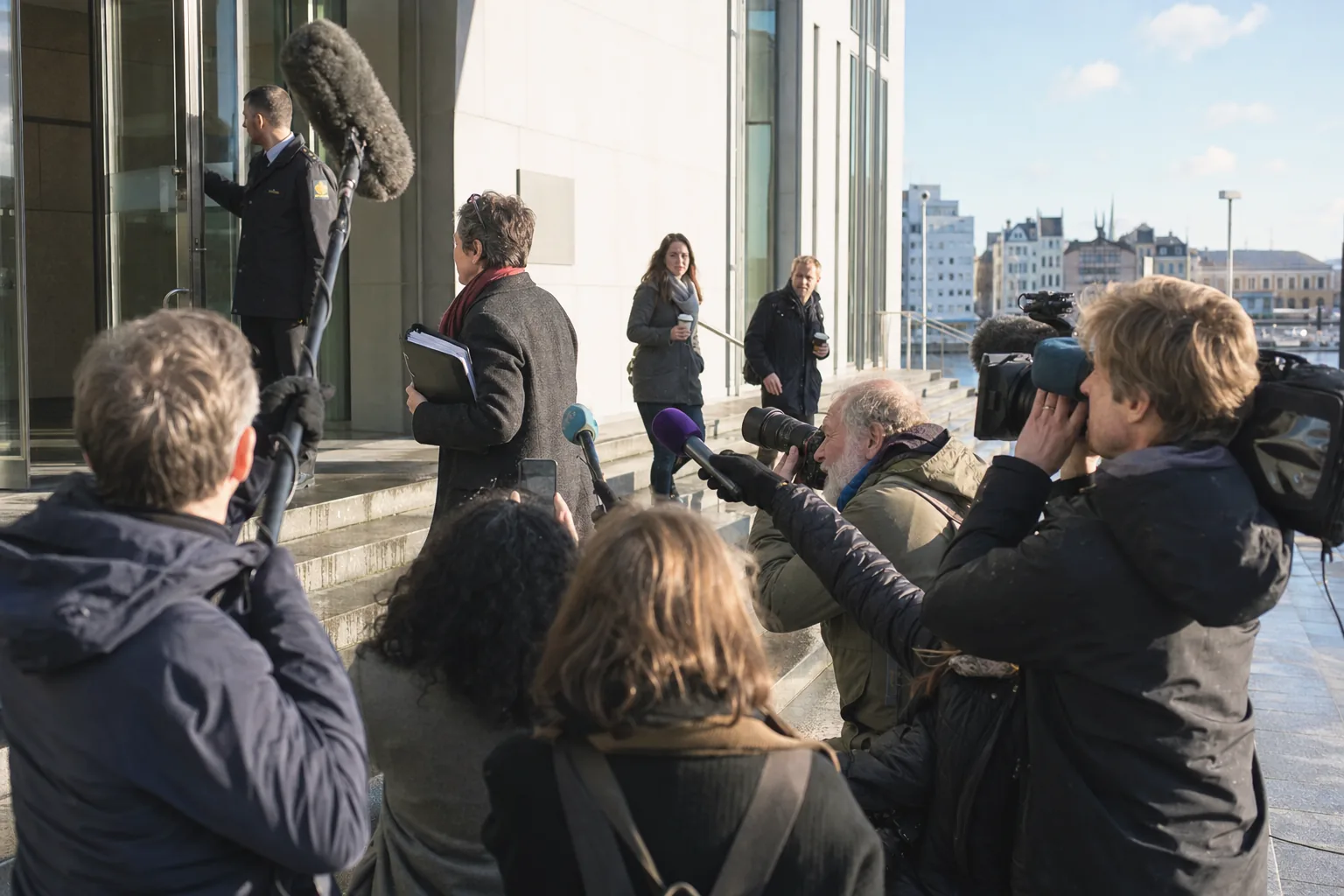
Everything else about Vigdis Bollerud is on the case page Vigdis Bollerud. Have you blown the whistle yourself and found that it cost you? Become a supporting memberComing soon.