News · Recordings in court
When credibility decides, and nobody can listen to it again
Many criminal cases are decided by whom the court believes. Research shows that people are poor at telling truth from lies, and in most Norwegian courtrooms testimony is still not recorded. That means no one can check the assessment afterwards.
In brief
- In cases with little technical evidence, it is the testimony – and whom the court believes – that decides the outcome.
- A large review of 206 studies found that people on average detect lies correctly 54 per cent of the time – slightly better than tossing a coin.
- The law says that testimony at the main hearing must be recorded, but the rule can be set aside when equipment is lacking. In autumn 2026 only a few courts had such equipment.
- Without a recording, all that remains when the case is later reconsidered is the judgment and the judges’ notes.
- Lawyer Arvid Sjødin has worked on cases seeking reopening for more than 30 years.
In many criminal cases there is little or no technical evidence. This applies particularly to cases involving violence, abuse and conflicts between people who know each other. Then it is the testimony that decides the outcome – and whom the court believes.
Research gives reason for humility. In 2006 the American psychologists Charles F. Bond and Bella M. DePaulo reviewed 206 studies in which thousands of people in total had to decide whether others were telling the truth or lying. On average they were right 54 per cent of the time, only slightly better than tossing a coin. Experienced professionals did not do significantly better than others.
That does not mean that judges are guessing. The court weighs the testimony against documents, traces and other witnesses. But it does mean that an impression that someone “seemed credible” is an uncertain basis – and that it must be possible to check it afterwards.
What the law says about recording
Under section 13-7 of the Dispute Act and section 23 of the Criminal Procedure Act, testimony at the main hearing and the appeal hearing must be recorded. The rule can nevertheless be set aside when the court does not have the equipment, and in autumn 2026 only a few courts had such equipment, Rett24 reported. The Storting decided in 2005 that testimony must be recorded. We have written about why this still does not happen in Parliament passed it in 2005 and in Audio recordings in Norwegian courts?.
Without a recording, it is the judges’ own notes and the reasons given in the judgment that show what was said. If the case is appealed, witnesses must as a rule give evidence again, often several years later. When a conviction is to be reviewed by the Criminal Cases Review Commission, there is no way, in cases without a recording, to hear the original testimony.
When a conviction is to be reviewed
The Baneheia Committee, which examined the prosecution of Viggo Kristiansen, pointed to failings in the courts’ assessment of evidence as a particularly important reason why things went wrong. The committee also described what it calls a confirmation trap: those making the decisions fixed on one account and interpreted new information in the light of it.
The number of cases sent to the Criminal Cases Review Commission has almost doubled in six years. Lawyer Sigurd Klomsæt has described how demanding it is to get a conviction reviewed in From lorry driver to defender of the drivers.
One lawyer’s experience
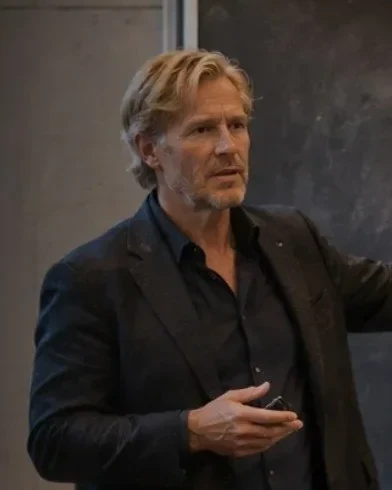
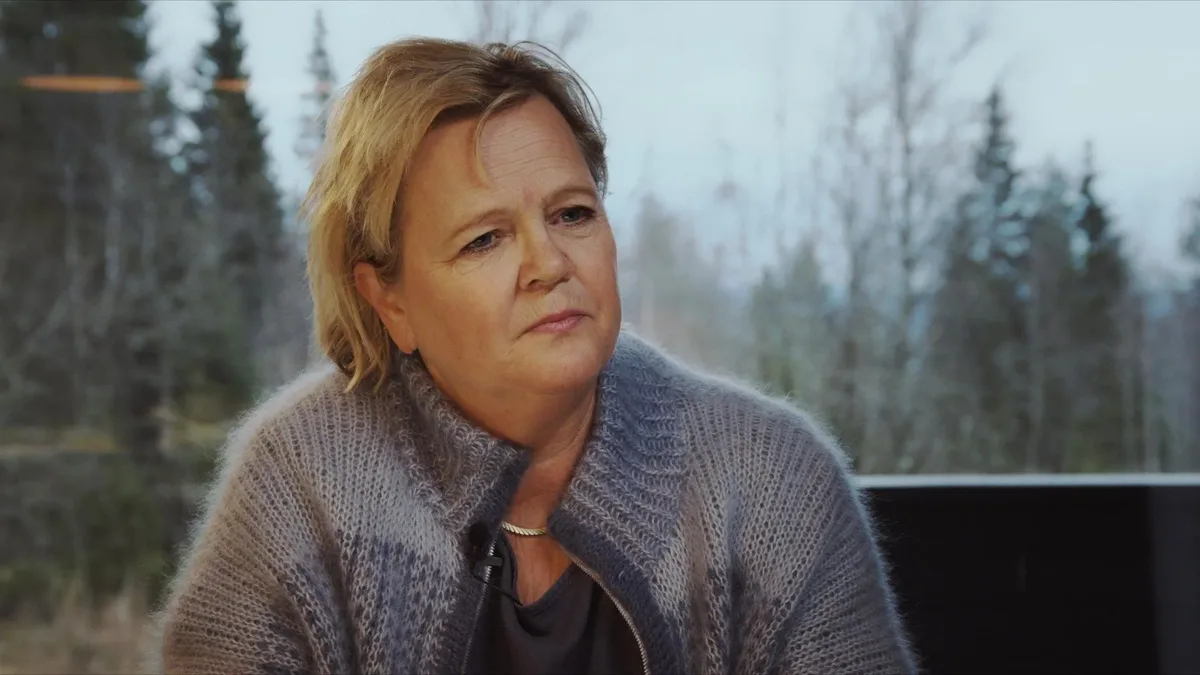
Lawyer Arvid Sjødin has worked for more than 30 years to have old criminal convictions reviewed. He was Viggo Kristiansen’s defence counsel in the effort to have the Baneheia case reopened. When he goes into individual cases, in his own experience he meets the same problem again and again: it is difficult to see afterwards how the testimony came about.
And it becomes clear when you go into individual cases, and then you see that enormous mistakes are made in the investigations.
One example he highlights is that in several cases he knows of, the police have spoken to witnesses before the formal interview. What was said in such conversations can rarely be checked by anyone when the case comes to court.
See also the full film interview with Arvid Sjødin. Have you yourself been through a trial where you believe testimony was wrongly recorded? Become a supporting memberComing soon.
Read more
- The big story: “There is no oversight at all” – lawyer Arvid Sjødin on the rule of law
- The series: Four convicted, nobody knows who fired the shots
- The series: Called “Norway’s most dangerous woman”. Now her lawyer wants the case retried
- The series: Evidence in criminal cases: when oversight fails
- Recording in court: Parliament passed it in 2005 · Audio recordings in Norwegian courts?
- The interview method: The method Norway teaches the world
- Topic page: The courts · The rule of law
- Become a supporting memberComing soon
Sources
- Bond C. F. and DePaulo B. M. (2006): Accuracy of deception judgments. Personality and Social Psychology Review 10(3)
- The Dispute Act (tvisteloven) section 13-7 (Lovdata)
- The Criminal Procedure Act (straffeprosessloven) section 23 (Lovdata)
- Rett24, 18 Sept 2026 (status of the equipment, in Norwegian)
- NOU 2026: 3 (Official Norwegian Report, the Baneheia Committee, in Norwegian)
- Criminal Cases Review Commission: annual report 2025 (in Norwegian)
- Justice for All Norway: The rule of law behind the façade – Arvid Sjødin (film interview)
- Justice for All Norway: “There is no oversight at all”
Quotes translated from Norwegian.
Published 19 August 2025 at 16:30
About AI in our articlesSupporting members
Support Justice for All Norway from abroad
Membership of the association is open to people living in Norway. International supporting memberships are on their way, so that you can support our work wherever you live.
Become a supporting memberComing soonSupport our work
Related articles
Three in four are refused when they apply for patient injury compensation

Limit values assess one substance at a time. The body meets many

Amicable settlement with VG: – We should simply have called you
We published the entire closing speech. The court makes no such recording itself
Children who speak out have the right to be taken seriously