News · Ten years on · The courts and the judges
– I know what kind of hell is waiting
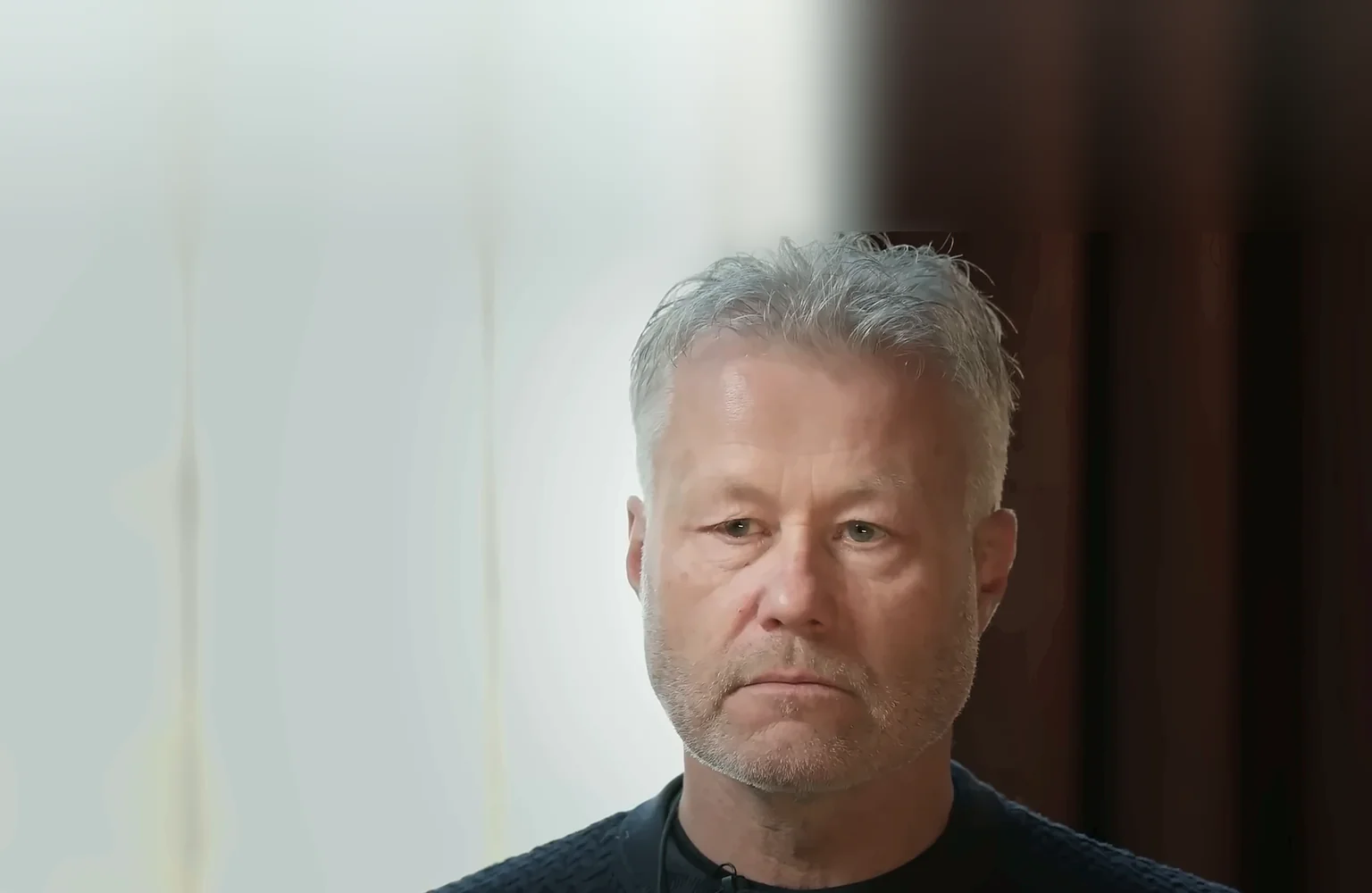
After serious accidents the municipality must provide psychosocial follow-up, and those who struggle for weeks and months need treatment. Markus “Webasto” Myrvold waited a year and a half for a psychologist. Today he thinks of the drivers who end up where he was.

In brief
- The municipality has a duty to provide psychosocial help around the clock in crises and accidents, according to the Norwegian Directorate of Health’s guidance.
- The guidance says that those troubled by traumatic after-effects for weeks and months need more individual treatment.
- Markus Myrvold was diagnosed with post-traumatic stress disorder after the fatal crash in Lofoten in 2015 and waited a year and a half for a psychologist.
- He served his sentence for negligent homicide in 2017. Today he drives heavy vehicles again and competes in strongman.
A fatal crash on the road affects more people than those in the car that is hit. It affects the bereaved, the witnesses, the rescuers – and the driver. This article is about the help that is supposed to come afterwards, and about one driver who waited for it. It belongs to the series Brake Deaths.
The help that is supposed to come
The Norwegian Directorate of Health’s guidance on psychosocial measures in crises, accidents and disasters describes what the municipality must do. The municipality has a duty to provide psychosocial help around the clock. The crisis team is to follow up those affected actively in the acute phase, and the municipality is to consider whether they need a contact person who follows them over time.
Most people get through a crisis with help from family and their network. But the guidance is clear that not everyone does: “For those troubled by traumatic after-effects for weeks and months, more individual treatment will be necessary.” The best-documented treatment – cognitive behavioural therapy, exposure therapy and EMDR – is provided by the specialist health service.
A year and a half in the queue
Markus “Webasto” Myrvold was 23 when his articulated lorry collided with a car at Torvdalsvatnet in Lofoten on 2 July 2015. The woman driving the car was killed. He was later convicted of negligent homicide. The crash was also a workplace accident. He went on sick leave, and his doctor diagnosed post-traumatic stress disorder.
Then he waited a year and a half for a psychologist. When he finally got an appointment, he went twice. By then he had already found his own way – through humour, friends, family and people in the haulage industry from north to south.
There were two parties affected. Two families.
A year after the crash he told the story openly on Facebook. Many people had not known. They had thought he had simply grown tired of driving. After that, his phone did not stop ringing.
Prison and the road back
The court of appeal upheld the judgment. According to NRK, the sentence was five months, two of them in prison and three with an electronic tag, and he had to pay half a million kroner in compensation. He began serving his sentence on 2 July 2017, two years after the accident. While he was inside, he was granted leave to be present when his son was born.
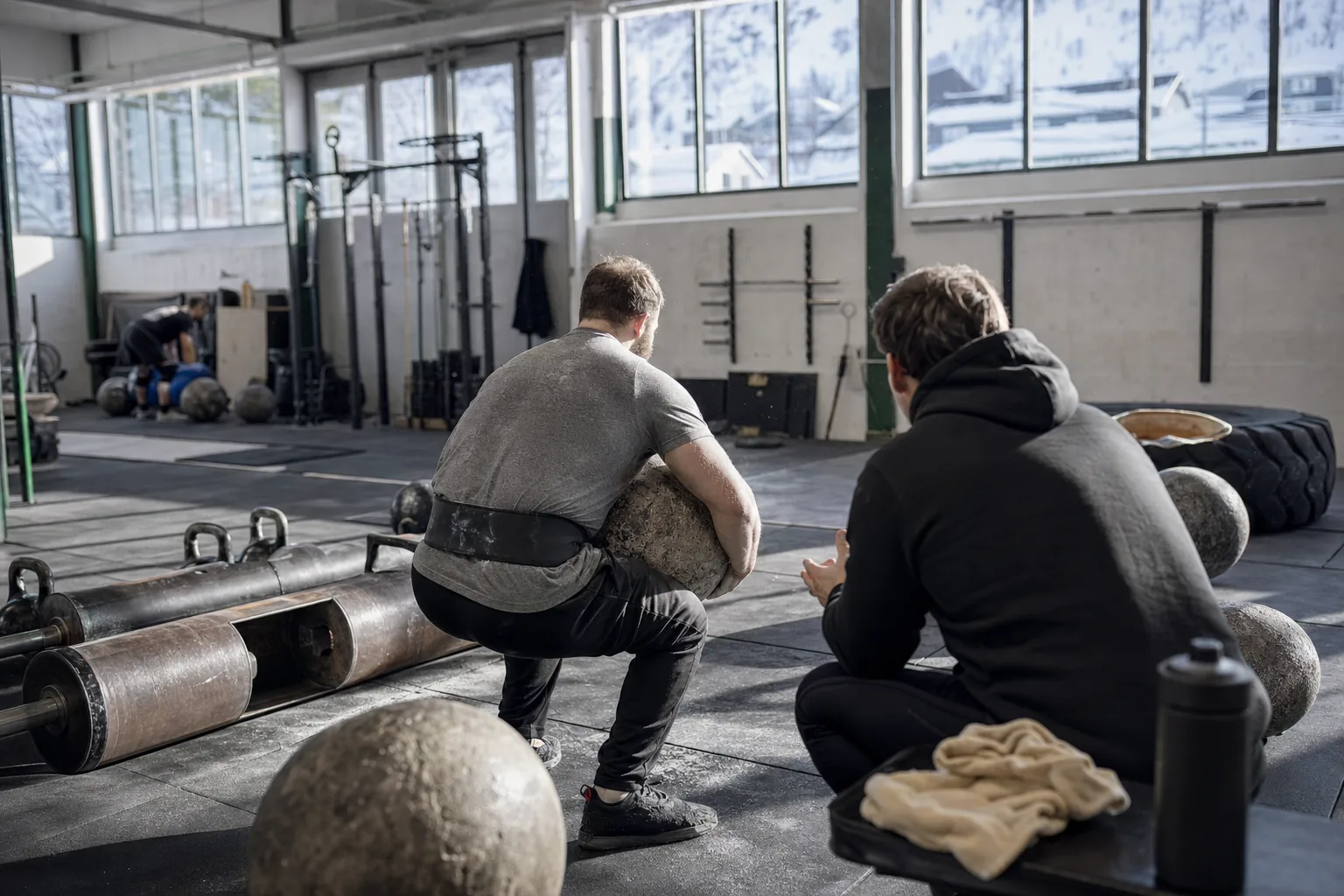
He lost his driving licence and his job behind the wheel, and passed his test again in October 2020. Training became part of his therapy. Today he competes in strongman – and he drives heavy vehicles again.
Every 2 July, at the exact time, he holds a minute’s silence. For himself, and for the woman who died. And when he reads about new crashes involving articulated lorries, he thinks of the driver.
To put it in good northern Norwegian: I know what kind of hell is waiting.
For many years he himself thought he had done something wrong. Only after the NRK Brennpunkt documentary “Kollisjon” (Collision) did he learn what the workshop inspection the week before the crash had shown. Read Approved one week before the fatal accident, and about the whistleblower who has warned about brake inspections for more than 20 years in He gave the idea to the suggestion box. Then he was moved.
Read more about Markus’ case here: “A week earlier the lorry had been approved”. The story is about the fatal crash in Lofoten in 2015, the conviction for negligent homicide and the brake inspection the week before.
Supporting members
Support Justice for All Norway from abroad
Membership of the association is open to people living in Norway. International supporting memberships are on their way, so that you can support our work wherever you live.
Become a supporting memberComing soonRead more
- Part 2: “A week earlier the articulated lorry had been approved” – Markus “Webasto” Myrvold on the fatal accident in Lofoten
- Part 1: The man who would not give up – the whistleblower Helge Andersen and the brake tests
- Part 3: The lawyer who drove an articulated lorry – Sigurd Klomsæt on the drivers who are blamed
- More articles on the case: Approved one week before the fatal accident · Two explanations for the bend at Torvdalsvatnet · Who is responsible when the brakes fail?
- From part 1: How the roller brake test works – and the criticism · Convicted over a fatal crash – acquitted 13 years later
- Topic pages: Brake Deaths · The courts · Public administration and NAV
- The film interviews: Markus’ story · Helge Andersen: Brake Deaths · Gunnar Waagestad
- NRK Brennpunkt: “Kollisjon” (Collision, NRK TV, in Norwegian)
- Become a supporting memberComing soon
Sources
- Norwegian Directorate of Health: Coping, belonging and hope – guidance on psychosocial measures in crises, accidents and disasters (IS-2428)
- Norwegian Directorate of Health: Psychosocial support and help after the acute phase (IS-2428)
- Justice for All Norway: Brake failure, fatalities and miscarriages of justice – Markus’ story (film interview, Dec. 2025)
- NRK (19.12.2022): Lorry driver convicted of negligent homicide. But what if it was the articulated lorry’s fault, not the driver’s?
- Nordlys: Tromsø man convicted of negligent homicide of mother of two after traffic accident (Lofoten district court)
- NRK Brennpunkt: “Kollisjon” (12.10.2022)
- Justice for All Norway: Topic Brake Deaths
Quotes translated from Norwegian.
Published 21 November 2026 at 12:00 · Updated 21.11.2026
About AI in our articlesSupporting members
Support Justice for All Norway from abroad
Membership of the association is open to people living in Norway. International supporting memberships are on their way, so that you can support our work wherever you live.
Become a supporting memberComing soon