News · The courts · The courts and the judges
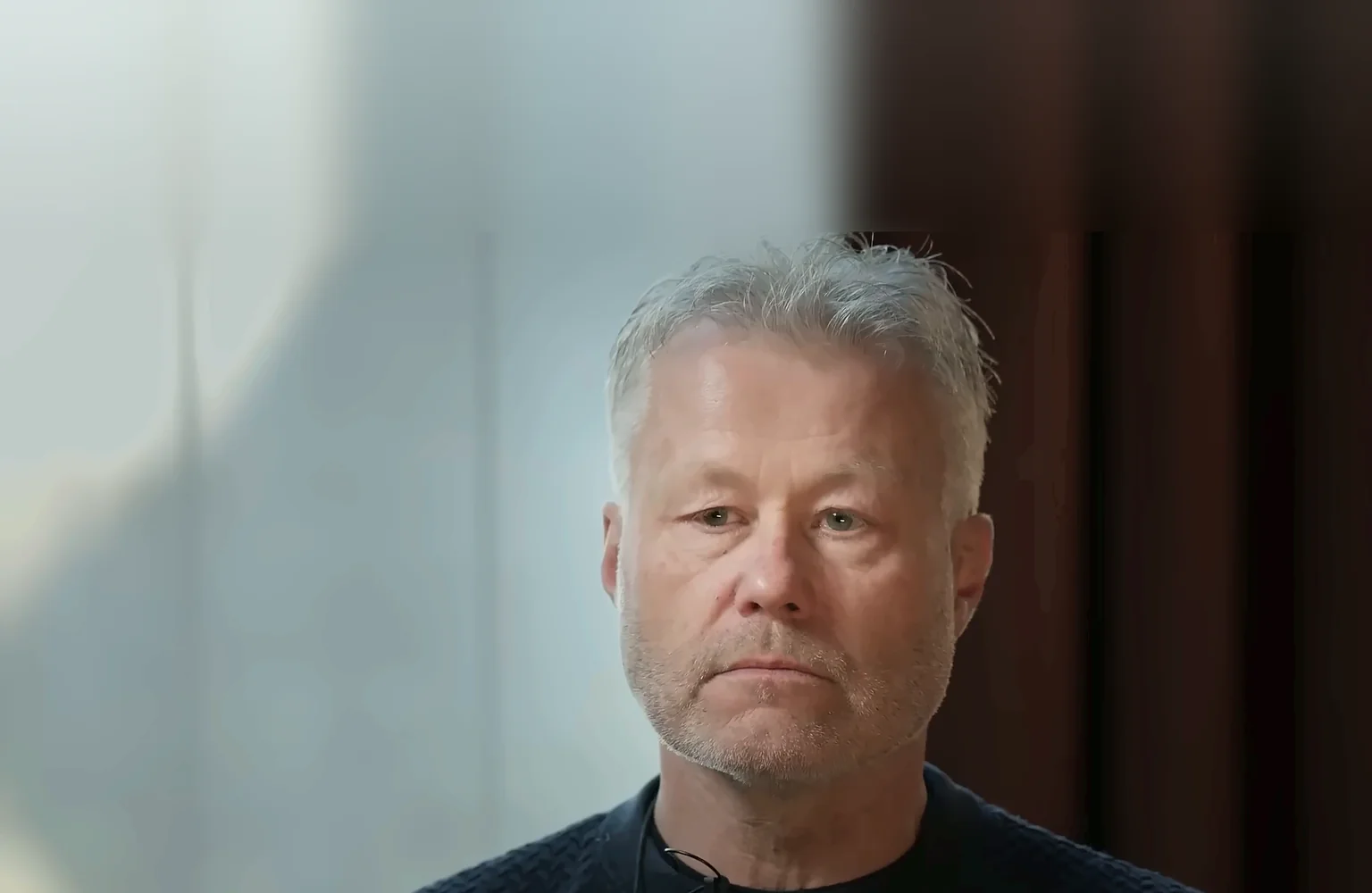
– There are a great many people out there who have been wrongly convicted
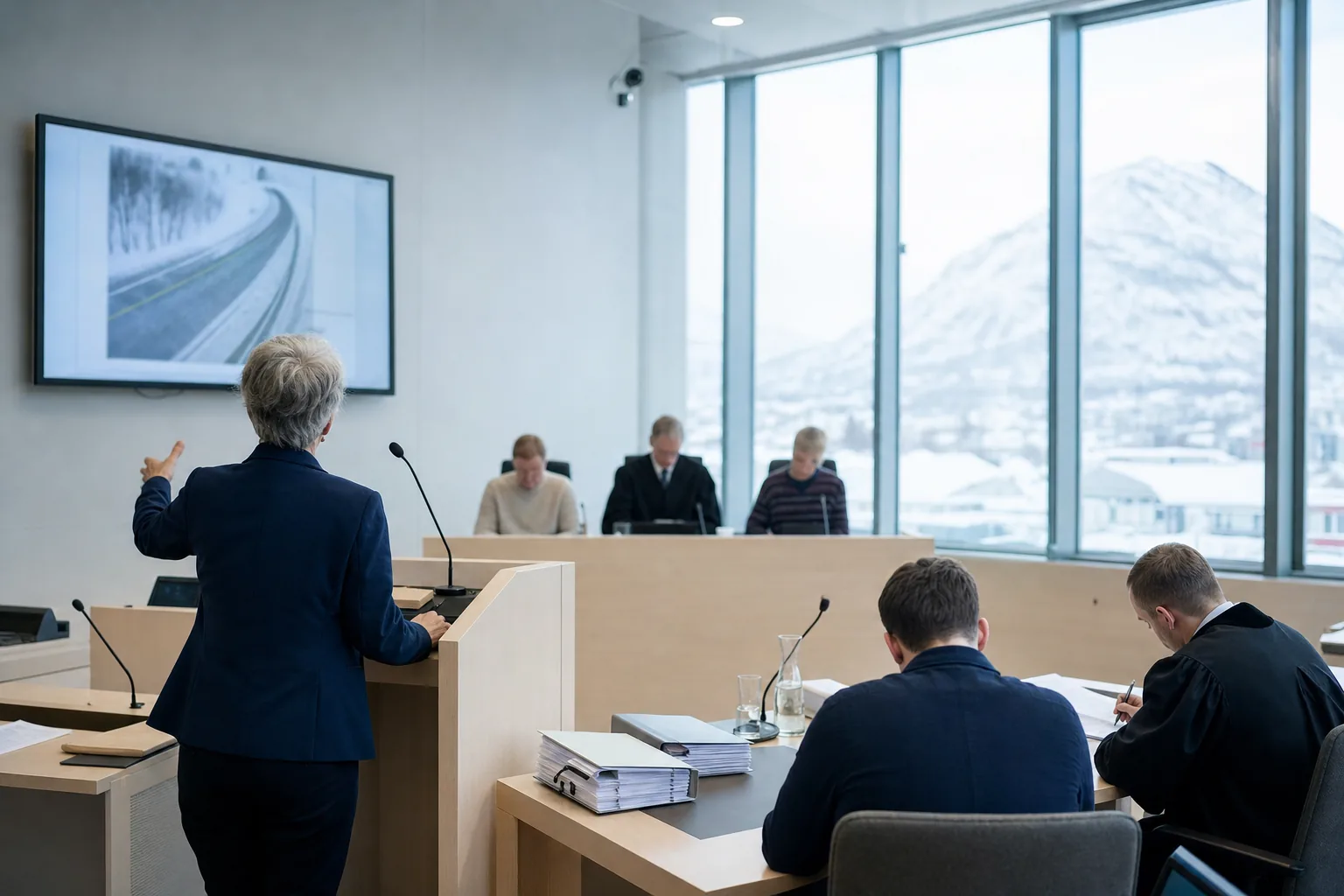
In the court of appeal, two professional judges and five lay judges decide together whether a defendant is guilty. For anyone to be convicted, five of the seven must vote for it. When a driver had the fatal crash in Drivdalen tried again, the lay judges voted to acquit. The lawyer Sigurd Klomsæt believes many more have been convicted on the wrong basis.

In brief
- The jury system was abolished from 1 January 2018. Today two professional judges and five lay judges decide the question of guilt in the court of appeal.
- A conviction requires five votes, and at least one of them must come from a professional judge. Neither the professional judges nor the lay judges can convict anyone on their own.
- In October 2025 the driver from the fatal crash in Drivdalen was acquitted. The five lay judges formed the majority; the two professional judges wanted to convict.
- The lawyer Sigurd Klomsæt believes that many drivers have been convicted of negligence after crashes in which the fault lay in the brakes. The courts have reached different conclusions in several of the cases.
When the question of guilt in a criminal case is appealed to the court of appeal, the case is heard again, with witnesses and evidence. The jury system was abolished from 1 January 2018. Cases in which the question of guilt is to be decided are instead heard by a mixed court: two professional judges, who are trained lawyers employed as judges, and five lay judges, who are ordinary citizens drawn for a period. They sit together throughout the case and vote together. This article belongs to the series Brake Deaths and to what we write about the courts.
Five votes to convict
The rules on voting are set out in section 35 of the Criminal Procedure Act. For the defendant to be convicted in the court of appeal, five of the seven judges must vote for it, and at least one of the five must be a professional judge. If the prosecution does not get five votes, the defendant is acquitted. This means that neither the two professional judges nor the five lay judges can convict anyone on their own.
The lay judges have no legal training, but their votes count as much as the professional judges’. The idea is that they bring general life experience into the courtroom. In a case about a crash involving an articulated lorry, that may mean that one of them has driven a lorry – or has never sat behind the wheel of one.
The case that ended in acquittal
The driver in the Drivdalen case was convicted of negligent homicide in 2013. Ten years later he had the case reopened after new measurements of the bend, and in the new appeal hearing he won over the lay judges. We have told the whole story in Convicted over a fatal crash – acquitted 13 years later.
The lawyer Sigurd Klomsæt took part in the work on the reopening – from the very start, by his own account – with reports from the whistle-blower Helge Andersen and the experts around him. Later another law firm took over. Klomsæt sees the fact that the driver won over the lay judges as a sign that common sense prevailed.
The pattern he sees
Klomsæt paid for his law studies by driving buses and lorries, and today he is a lawyer for drivers who have been convicted after crashes involving articulated lorries. In the cases he works on, the pattern is the same: the lorry brakes, the trailer brakes first and skids out into the opposite lane, and an oncoming car hits it. The driver is convicted of negligence. In his view, the fault lies in the brakes and in the inspection of them.
There are a great many people out there who have been wrongfully convicted.
The courts have reached different conclusions in several of the cases he discusses. Markus “Webasto” Myrvold, whom Klomsæt also represents, was convicted in both the district court and the court of appeal after the fatal crash in Lofoten in 2015. How the court assessed the experts in that case, you can read in Two explanations for the bend at Torvdalsvatnet. How a convicted driver can ask for the case to be retried, we explain in When a convicted driver wants the case retried.
Read more about Sigurd Klomsæt’s case here: “The lawyer who drove a lorry”. The story is about the drivers who get the blame when the trailer swings out, about the case that ended in acquittal, and about the rejection from the Criminal Cases Review Commission.
Supporting members
Support Justice for All Norway from abroad
Membership of the association is open to people living in Norway. International supporting memberships are on their way, so that you can support our work wherever you live.
Become a supporting memberComing soonRead more
- Part 3: The lawyer who drove an articulated lorry – Sigurd Klomsæt on the drivers who are blamed
- Part 2: “A week earlier the articulated lorry had been approved” – Markus “Webasto” Myrvold on the fatal accident in Lofoten
- Part 1: The man who would not give up – the whistleblower Helge Andersen and the brake tests
- More articles on the case: When a convicted driver wants the case retried · Who investigates fatal crashes involving lorries? · Victims on both sides
- From parts 1 and 2: Convicted over a fatal crash – acquitted 13 years later · Approved one week before the fatal accident
- Topic pages: Brake Deaths · The courts · Public administration and NAV
- The film interviews: Sigurd Klomsæt: Brake Deaths 4 · Markus’ story · Helge Andersen: Brake Deaths
- NRK Brennpunkt: “Kollisjon” (Collision, NRK TV, in Norwegian)
- Become a supporting memberComing soon
Sources
- Criminal Procedure Act, section 35 on voting (Lovdata)
- Regjeringen.no: The jury system to be abolished at the turn of the year
- NRK Trøndelag (23.10.2025): article on the acquittal in the Eidsivating Court of Appeal
- NRK (22.12.2023): “The Norwegian Public Roads Administration may have measured incorrectly in the bend” – the driver gets his case reopened Quotes translated from Norwegian.
- NRK (12.6.2023): Applies for reopening after Markus Myrvold was convicted of homicide
- Justice for All Norway: Sigurd Klomsæt – Brake Deaths 4 (film interview, May 2026)
- NRK Brennpunkt: “Kollisjon” (12.10.2022)
- Justice for All Norway: Topic Brake Deaths
Quotes translated from Norwegian.
Published 21 November 2026 at 17:45 · Updated 21.11.2026
About AI in our articlesSupporting members
Support Justice for All Norway from abroad
Membership of the association is open to people living in Norway. International supporting memberships are on their way, so that you can support our work wherever you live.
Become a supporting memberComing soon