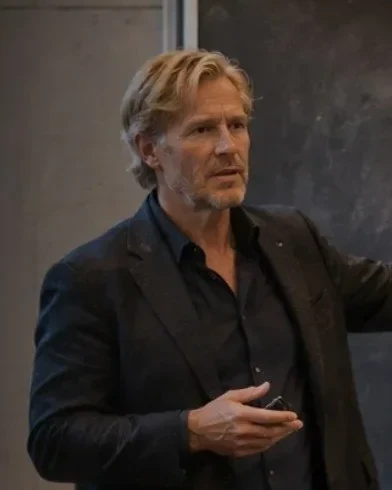
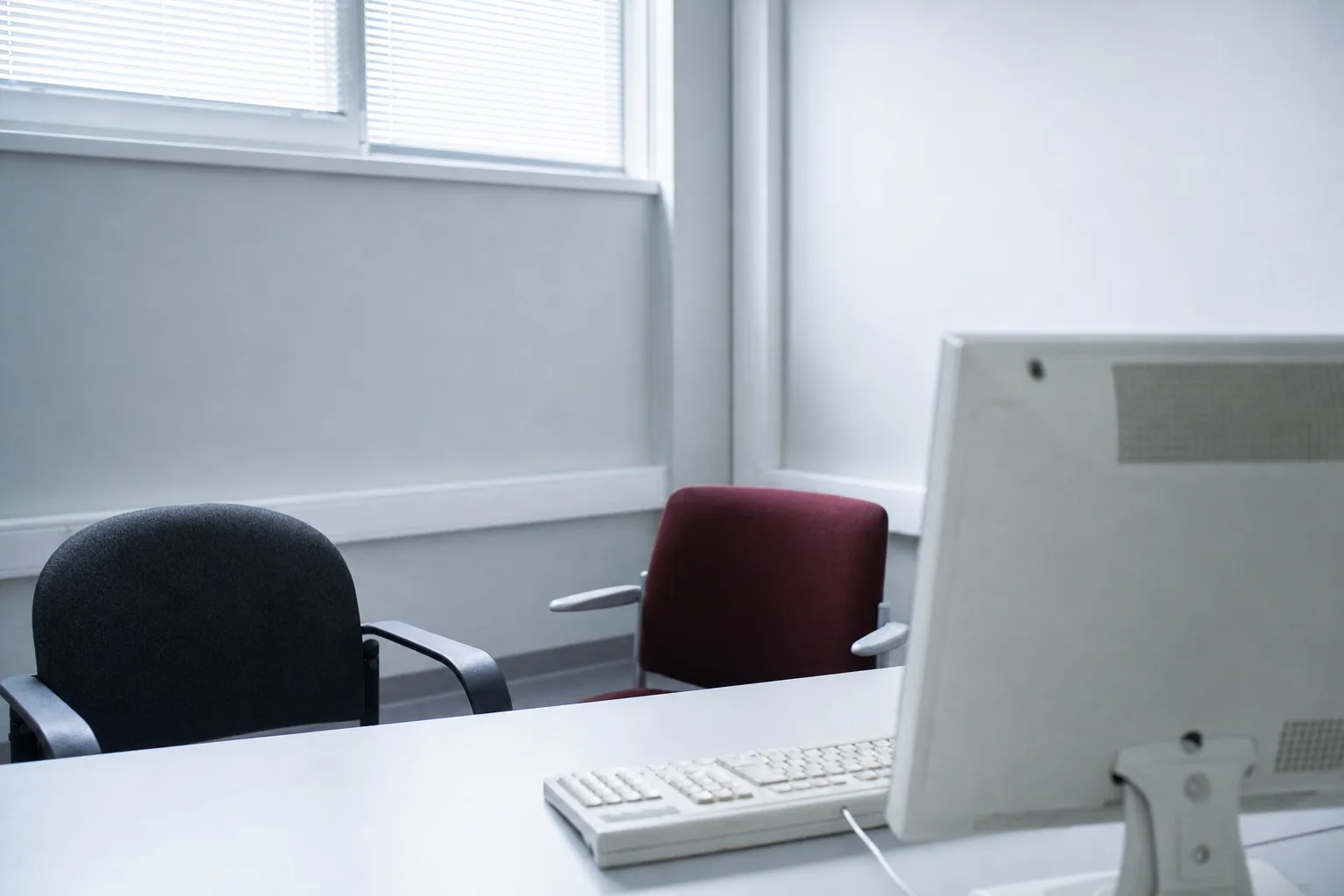
Did you know that the Norwegian police still sit typing up police interviews on a computer?
They make audio recordings, but in practice these serve as a safeguard in case the person interviewed later believes that what was written down does not match what was actually said. It is the written interview records that form the basis of police cases.
Danish IT companies have invested heavily in innovation for many years. Denmark has no oil, and has therefore built industry to a greater extent through developing technology and new businesses.
It was the Danes who developed the speech-to-text technology used in the Storting (the Norwegian Parliament) today. The technology was developed in connection with an impeachment case against a Danish politician, and they needed large amounts of speech data to train the system on. So they used the Norwegian Storting as a guinea pig!
Another Danish company has developed a speech-to-text module called Good Tape. It is designed so that everything that is said – including “er”, “um”, hesitations and pauses – is included in the transcription. It does not tidy up the text as many AI systems do to make it more presentable, nor is it creative with the content. It reproduces what is actually said.
If the Norwegian police adopted technology like this – that is, technology that has been available in the neighbouring country for many years – enormous resources could be saved. Today investigators sit typing while the interview is under way, stop and say: “Sorry, wait a moment, you are speaking too fast”, occasionally repeat incorrectly what was said, and write it down that way.
There is also something striking about the dynamics of such interviews: for long periods the keyboard is completely silent while you talk. At other times the typing is so fast that the letters almost spray out of the keyboard. It is striking. Very striking.
And there is another question here too: if you are in conversation with a person who has their head inside a screen, typing on a keyboard from 1992, the sound and the attention disappearing into the screen are so dominant that it becomes difficult to keep the conversation flowing – especially when you have to talk about very serious matters.
Would it not be better if the police investigator sat and looked at the person they are interviewing? Was present in the conversation? So that you felt they actually took in everything you said?
Would that not be a better starting point for all parties to achieve honest and ethical police interviews in Norway?
The paradox is that Asbjørn Rachlew is known for having developed the K.R.E.A.T.I.V. method – precisely to reduce the risk of confirmation traps and raise the quality and the pedagogical approach of police interviews. Among other things, he describes how disruptions arise when someone has to write at the same time as a person is describing something very sensitive and difficult.
Even so, we do not see this thinking being taken up to any great extent in the Norwegian police service through modern technology.
The question is therefore: is the reason why the Norwegian police do not introduce technology that has been available on the market for many years quite simply that old methods leave more room for discretion and selection?
That one can choose what is written down, how it is written down, and which parts of the interview are given more weight than others?
Of course you get to read through the interview record at the end. But after six hours or more of intensive interviewing you may not be as mentally sharp as before the interview began – while at the same time being expected to check and sign the document.
What do you think?
Quotes translated from Norwegian.
Published 23 May 2026
About AI in our articlesSupporting members
Support Justice for All Norway from abroad
Membership of the association is open to people living in Norway. International supporting memberships are on their way, so that you can support our work wherever you live.
Become a supporting memberComing soonSupport our work
Related articles
Three in four are refused when they apply for patient injury compensation

Limit values assess one substance at a time. The body meets many
Amicable settlement with VG: – We should simply have called you
We published the entire closing speech. The court makes no such recording itself
Children who speak out have the right to be taken seriously