News · Rules and advice · The courts and the judges
Experts in court: who are they, and who checks them?
An expert is a professional who helps the court with questions the judges do not have the knowledge to assess themselves, such as psychology, medicine or technology. The reports can carry great weight. The rules give the parties an opportunity to comment on the appointment and influence the mandate, but the conditions vary according to the type of case. Two commissions check the quality.
In brief
- The court appoints experts and gives them a written mandate (the Criminal Procedure Act (straffeprosessloven) sections 138 and 142 a, the Dispute Act (tvisteloven) chapter 25).
- The parties must be allowed to comment before experts are appointed where this can be done without endangering the clarification of the case and without disproportionate delay. If the parties propose the same person, that person will usually be appointed if willing (the Criminal Procedure Act section 141).
- In criminal cases, the court should, where this can be avoided, not appoint anyone who would have been disqualified as a judge (section 142). In civil cases, such persons must not be appointed (the Dispute Act section 25-3).
- The Norwegian Board of Forensic Medicine (Den rettsmedisinske kommisjon) checks forensic medical reports in criminal cases (sections 146 and 147).
- In child welfare cases, as a general rule the court may rely only on expert reports that have been assessed by the Norwegian Commission for Child Welfare Experts (Barnesakkyndig kommisjon) (the Child Welfare Act (barnevernsloven) sections 12-8 and 14-25).
An expert is a professional appointed by the court to answer specialist questions, for example about a person’s mental health, whether an injury was inflicted, or whether a technical system has failed. The expert is not a witness to the event, but provides the court with a professional basis. Because the reports can carry great weight, the parties should use the rules that allow them to comment on the appointment and, depending on the type of case, influence the mandate. This guide belongs to the topic page on the courts and the judges.
These are the rules
Appointment and mandate
- The court appoints. The person appointed must, as a general rule, accept the assignment (the Criminal Procedure Act section 138). Normally one expert is appointed, but the court may appoint more (section 139).
- You must be allowed to comment before the appointment where this can be done without endangering the clarification of the case and without disproportionate delay. If the parties propose the same person as expert, the court will usually appoint that person if they are willing (section 141).
- Impartiality: In criminal cases, the court should, where this can be avoided, not appoint anyone who would have been disqualified as a judge (section 142). In civil cases, such persons must not be appointed as experts (the Dispute Act section 25-3).
- The mandate must be in writing and state what the expert is to examine. In criminal cases, the court may order the prosecuting authority, the defence counsel or the counsel for the aggrieved party to prepare a proposed mandate or amendment (section 142 a). In civil cases, the court may order the parties to prepare a proposed mandate (the Dispute Act section 25-4).
- Information: If the expert obtains information independently, the report must say so (section 143).
- During the investigation the prosecuting authority may use experts. The prosecuting authority sets the mandate in accordance with the Criminal Procedure Act section 142 a and regulations made pursuant to it, unless there is a significant risk that the investigation will suffer from delay (section 148).
In civil cases, such as parental disputes, similar rules apply in Chapter 25 of the Dispute Act. The parties may also obtain expert assistance themselves and call their own expert witnesses.
Who checks the experts?
How to use your rights
- Ask your lawyer who is being proposed as the expert, and whether you can make your own proposal.
- Read the proposed mandate. Is it unbalanced, or does it omit important questions? Say so before it is set.
- Read the report carefully. Write down factual errors, information the expert has not received and people the expert has not spoken to.
- Ask for the report to be assessed by the correct commission, and read the commission’s comments.
- Consider whether you need your own expert who can explain weaknesses in the report.
If you are a party in a child welfare case, see also the guide to the tribunal and about child welfare lawyers.
Do you want to share experiences with others? Become a supporting member – coming soon.
Frequently asked questions
- Can I refuse to be examined by an expert? The rules and consequences of refusing depend on the type of case and the situation. Speak to your lawyer first.
- Can I get a new expert? You can ask the court to appoint a new expert or an additional expert (§ 139). Give specific reasons, for example errors in the report or doubts about the expert’s impartiality.
- Who pays the expert? It depends on the type of case. In criminal cases, court-appointed experts are normally paid by the state. In civil cases, the party requesting the appointment of an expert may have to pay or advance the cost, but the expense may be included in a claim for legal costs. In parental disputes under the Children Act § 61, the state bears the costs of the measures in the provision, including an expert appointed under the provision.
This is our members’ experience
The experience of hundreds of members of Justice for All Norway is unfortunately that expert reports often become decisive, and that it is very difficult to test whether they are correct. These are the members’ experiences. Many experts do thorough work.
A recurring theme is that parents and defendants describe reports based on only a few conversations, on information they have not been allowed to respond to, or on a mandate they were not able to influence. When the expert gives oral evidence in court, there is often no recording. Kåre Jan Johansen, who knows Norwegian aviation inside out, describes in When the expert gives evidence, and no one records it technical explanations that are difficult to note down correctly by hand.
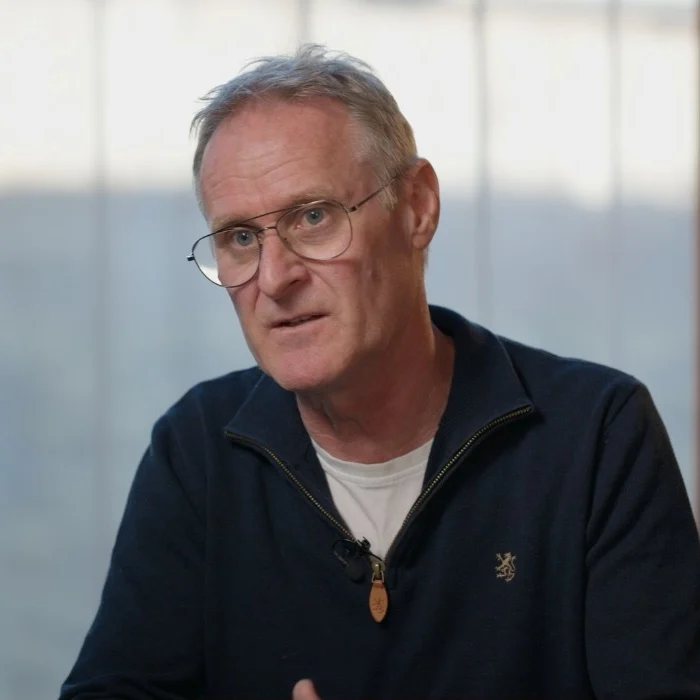
The question of credibility is equally important. In When credibility decides, and no one can hear it again we point to research that questions how accurate assessments of credibility are. In the brake cases, experts such as Helge Andersen believe the error lies in the tests, not with the drivers. See the interview with him. That is their professional assessment.
If the system had worked as intended, the rules in the first part would have ensured independent experts with a balanced mandate and genuine oversight. Those are still the rules you should use. Our members have learnt that the mandate is where you can have influence, and that it is too late once the statement has been written.
Are you involved in a case with experts? Become a supporting member – coming soon.
Sources
- Lovdata: the Criminal Procedure Act Chapter 11 – experts (§§ 138–149 a)
- Lovdata: the Dispute Act Chapter 25 – expert evidence
- Lovdata: the Child Welfare Act §§ 12-8 and 14-25
- The Norwegian Civil Affairs Authority (the Norwegian Board of Forensic Medicine and the Norwegian Commission on Child Expert Reports)
- Justice for All Norway: When the expert gives evidence, and no one records it
- Justice for All Norway: When credibility decides, and no one can hear it again
- Justice for All Norway: Helge Andersen (film interview)
- Fact check: the legal references have been checked against Lovdata’s open data (legislation in force, retrieved 15 November 2026), and other information against official online sources on 21 November 2026.
Published 21 November 2026 · Last updated 21 November 2026
About AI in our articlesSupporting members
Support Justice for All Norway from abroad
Membership of the association is open to people living in Norway. International supporting memberships are on their way, so that you can support our work wherever you live.
Become a supporting memberComing soon