News · Rules and advice
Violence against older people: when the perpetrator is a family member
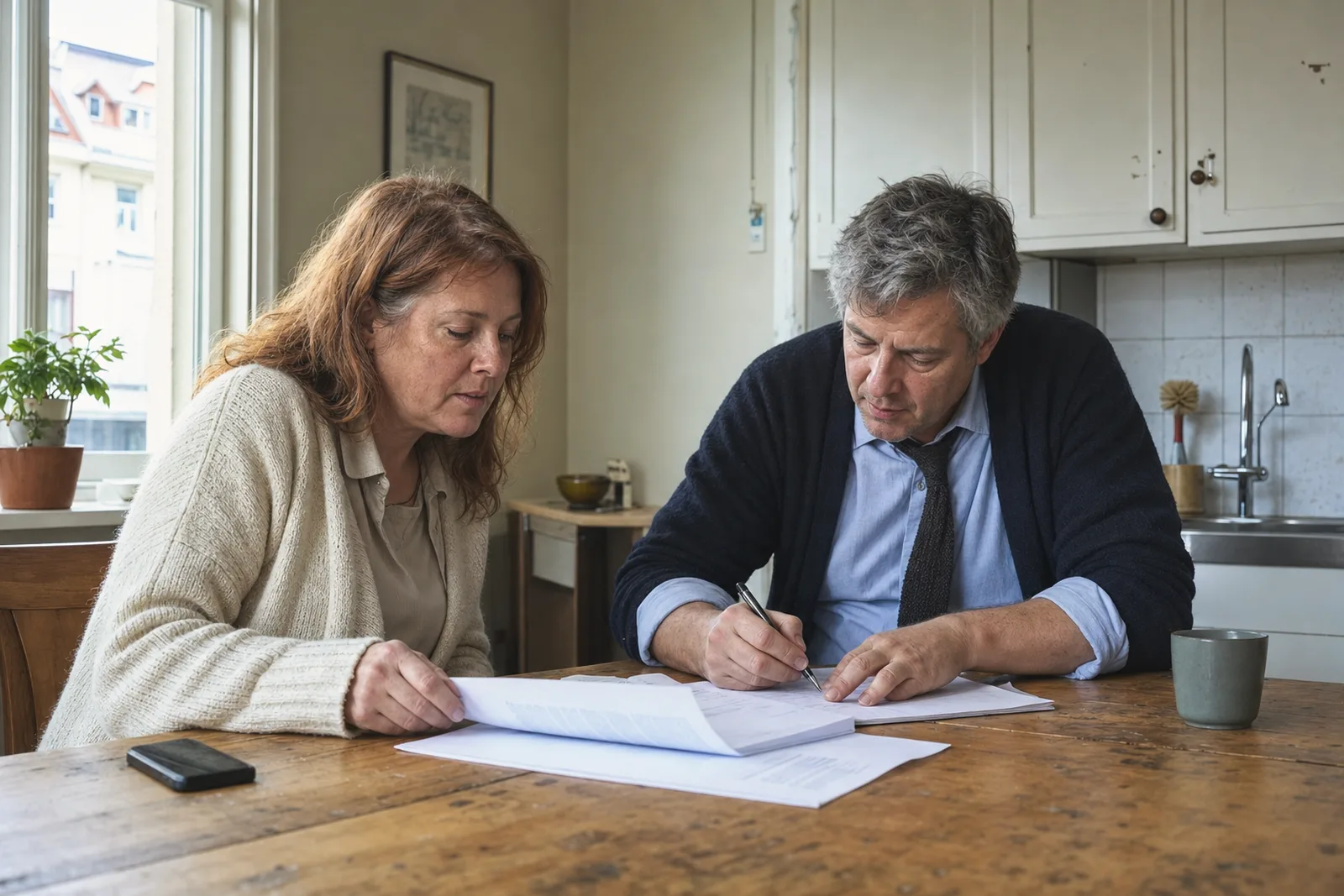
Violence against older people most often happens at home, and the person using violence is usually someone close to the older person. Here is what the law says, what the violence can look like, why many older people do not report it, and what you can do if you are worried about a mother, father or neighbour.
In brief
- Between seven and nine per cent of older people living at home have been exposed to violence and abuse (NKVTS, cited by the police).
- Section 282 of the Penal Code on domestic abuse also applies when adult children abuse their parents.
- The police have reason to believe that most cases involve threats, and that the perpetrator often wants money.
- 9 per cent of shelter residents aged 50 or over in 2025 had been exposed to violence from their own children (Bufdir).
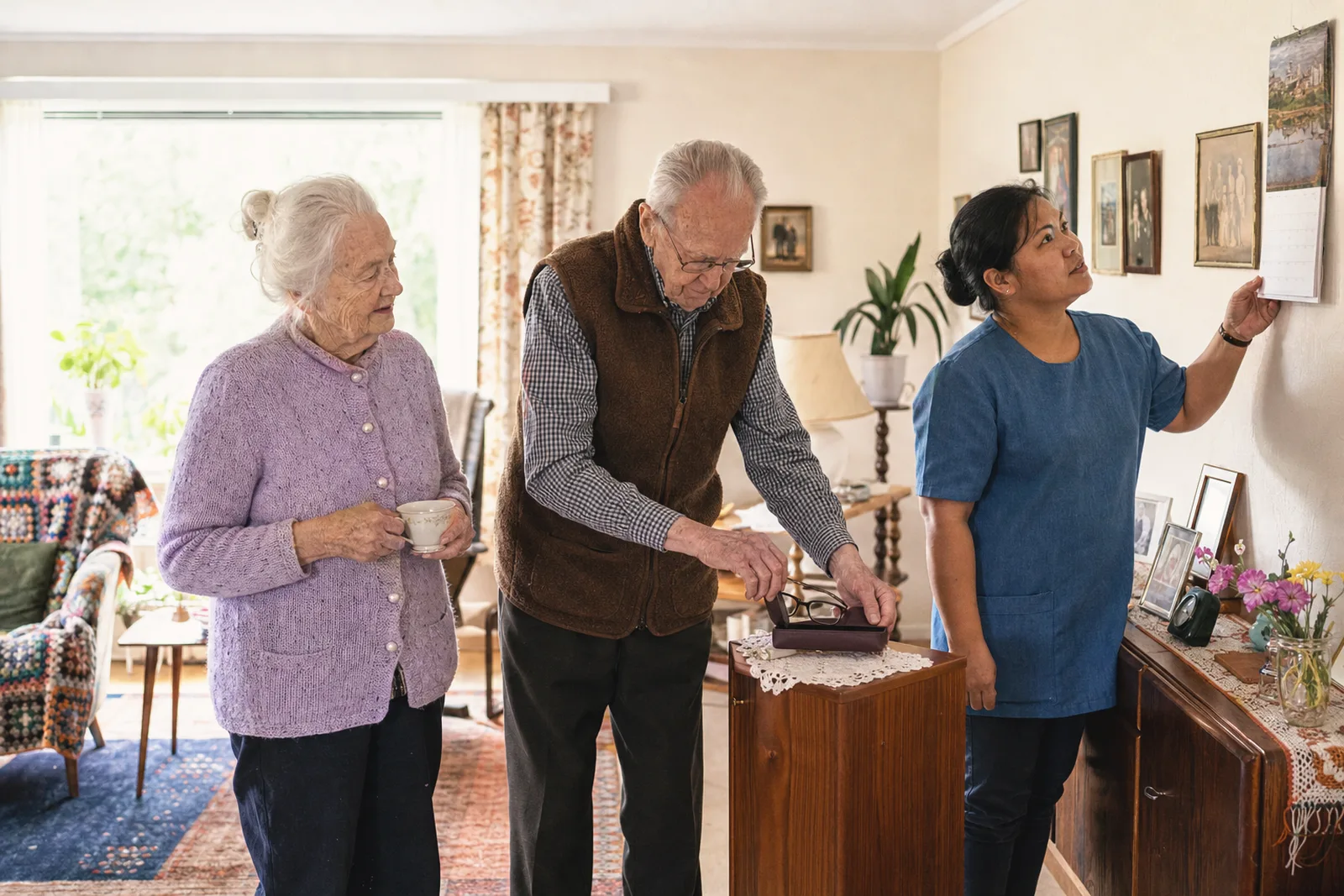
Violence against older people is abuse in the same way as other domestic violence, and can be reported. The person using violence may be a partner, adult children or others in the family. The violence is often psychological or financial, and usually takes place in the older person's own home. Many older people find it hard to report it themselves, so the police ask others to speak up. More about the work of the police is on the topic page The police.
These are the rules
Under section 282 of the Penal Code, anyone who, by threats, coercion, deprivation of liberty, violence or other violations, seriously or repeatedly abuses, among others, their spouse or cohabitant, a relative in the direct ascending line, someone in their household or someone in their care is liable to punishment. A relative in the direct ascending line means parents and grandparents. The provision therefore also applies when adult children or grandchildren abuse an older parent. The maximum penalty is six years' imprisonment. What the provision covers is set out in more detail in the article on domestic abuse.
Staff in home care services, in nursing homes and in the health service may also count as having someone “in their care” under the provision when they are responsible for the older person. The police state that you always have a duty to notify the appropriate authority if you know of older people being exposed to violence, and that the appropriate authority is usually the police. The duty also applies to employees in professions with a duty of confidentiality, for example in the health service.
When the violence takes place in the home
The police state that violence against older people is not only physical violence, and that most cases probably involve threats. The perpetrator often aims to get money. It may be an adult child who presses for loans, takes control of the bank account, demands an early inheritance or threatens to stop visiting. Such forms of control are described in the article on financial abuse. The psychological harm can in many cases be worse than the physical injuries, and can last for a long time.
Many older people depend on the person using violence, for help in everyday life, for company or for contact with grandchildren. That can make it very hard to speak up. The police state that it can be difficult for older people to report violence, even when they are terrified of the perpetrator. Shame, loyalty to their own children and fear of being left alone are common reasons. Consideration for the family and fear of negative consequences are in general among the reasons why many people do not report violence.
The municipality must provide a shelter service for everyone exposed to violence or threats of violence in close relationships, including older people. The shelter has accommodation, a day service and a telephone service around the clock, and you can make contact without a referral.
When others need to speak up
The police ask others to report because older people often find it hard to report themselves. If you are worried about a parent, a neighbour or someone you help, you can contact the police and describe what you have seen. You do not have to be certain. Feel free to talk to the older person first, calmly and without the person you suspect being present. Advice on the conversation is in the article on how to help someone who is exposed to violence.
The Office of the Auditor General found that the risk assessment tools used by the police do not capture other vulnerable groups, such as violence from adult children against parents. This makes it all the more important that the person raising concerns describes specifically what is happening, how often and who is involved. If you are the one using violence, Alternative to Violence can help you stop.
This is what the evidence shows
Only a small part of the violence becomes known to the police and the justice system. Report 1/2023 from the Norwegian Centre for Violence and Traumatic Stress Studies (NKVTS) found that the police knew of the violence in one in three of those exposed to serious physical violence. The Office of the Auditor General points out that it is not possible to obtain information about violence and threats from someone close beyond the cases registered under sections 282 and 283 of the Penal Code. For older people the hidden figures may be large, because many cannot or will not speak up themselves. Become a supporting member – coming soon if you want to support the work for better legal protection for victims of violence.
How to proceed
- Talk to the older person calmly, without the person you suspect being present.
- Note what you see: injuries, changes in finances, threats and who is there.
- Contact the police if you suspect something, and call the emergency number if there is immediate danger.
- Contact the shelter for advice, also on behalf of others.
- Ask the bank for help if someone has taken control of the older person's finances.
If you are in danger now, call the police on 112. The Violence and Abuse Helpline is available around the clock on 116 006. Become a supporting member – coming soon if you want to support our work or share your experiences with us.
Frequently asked questions
Can I report violence against older people to the police when the perpetrator is family?
Yes. Section 282 of the Penal Code also covers abuse of parents and grandparents, and of someone in the household or in one's care.
What is psychological violence against older people?
Threats, pressure, verbal abuse and isolation. The police believe most cases of violence against older people involve threats.
Can financial pressure from adult children be violence against older people?
Yes. The perpetrator often aims to get money, and financial control can be part of the abuse.
Do I have a duty to report violence against older people?
The police state that you always have a duty to report if you know of older people being exposed to violence, and that the duty also applies to employees with a duty of confidentiality.
What is Alternative to Violence?
Alternative to Violence (ATV) helps people who use violence in the family to stop using violence.
Sources
- The Penal Code (straffeloven) § 282, Lovdata
- Crisis Centre Act (krisesenterloven) § 2, Lovdata
- The police: Violence against older people
- Bufdir: Crisis centre statistics – perpetrator of violence
- The Office of the Auditor General: Document 3:8 (2021–2022) on the authorities’ work to combat domestic abuse
- NKVTS report 1/2023: The prevalence of violence and abuse in the Norwegian population
- Alternative to Violence: Treatment services
Published 22 November 2026 · Last updated 22 November 2026
Supporting members
Support Justice for All Norway from abroad
Membership of the association is open to people living in Norway. International supporting memberships are on their way, so that you can support our work wherever you live.
Become a supporting memberComing soon