News · Rules and advice
The conciliation board and the small claims procedure: when you can manage without a lawyer
Many disputes about money can be resolved before the conciliation board or under the small claims procedure in the district court, where costs are low and the rules simpler. Here is when you can manage yourself, what you risk paying, and when a lawyer still pays off.
In brief
- The conciliation board deals with many disputes about money, but not family cases and not cases against public authorities that are not purely private-law matters (Dispute Act section 6-2).
- Legal costs before the conciliation board are strictly limited (section 6-13).
- Claims below 250,000 kroner are, as a rule, dealt with under the small claims procedure in the district court (section 10-1).
- Under the small claims procedure, compensation for a lawyer can only be claimed up to 20 per cent of the value in dispute, and never more than 50,000 kroner (section 10-5).
- Many manage without a lawyer in these cases, but short advice can be wise.
Not every dispute needs an expensive lawsuit. The conciliation board and the small claims procedure in the district court are designed to make it simpler and cheaper to resolve disputes about money. Many people conduct such cases themselves. This guide explains how the schemes work, what you risk, and when it pays to use a lawyer. It belongs to the section on yourself, AI and preparation on the topic page on lawyers.
These are the rules
The conciliation board is a lay body in each municipality. Under section 6-2 of the Dispute Act, the board can deal with cases that can be brought by writ of summons before the district court, but not family cases, cases against public authorities concerning matters that are not purely private-law in nature, cases about patents and trademarks and certain other cases. The board mediates and can give judgment in many cases. Under section 6-13, compensation for legal costs before the conciliation board is strictly limited, to the fee, travel expenses and a small amount for legal assistance.
Cases before the district court with a value in dispute below 250,000 kroner are, as a rule, dealt with under the small claims procedure, under section 10-1. The small claims procedure is simpler, with fewer written submissions and a shorter hearing. Under section 10-5, compensation for a lawyer and other legal assistance can only be claimed up to 20 per cent of the value in dispute, always up to 2,500 kroner and never more than 50,000 kroner. A party who has clearly brought a case without reason may nevertheless face full liability for costs.
When you can manage yourself
If you have a dispute with a tradesperson, a shop, a landlord or a private individual about a sum of money, and the case is mainly about what was agreed and what happened, you can often manage yourself. Write briefly and clearly what you claim, why, and which documents show it. Attach the agreement, invoices, emails and photos. Attend prepared, and be open to a settlement. The conciliation board is not a court of lawyers, and the most important thing is that the case is easy to understand. See how to make a timeline and an exhibit list.
When a lawyer still pays off
If the case is legally difficult, raises major questions of principle, or the other side has a lawyer and the case is close to the 250,000 kroner limit, a lawyer may pay off. The same applies if the case may be referred to the ordinary procedure, where the cost risk is much greater. Many choose a middle way: an hour with a lawyer to have the case assessed and the claim read through, and otherwise conduct the case themselves. Legal expenses insurance can cover much of this. See legal expenses insurance and a free lawyer.
Cases against the public authorities
Disputes with the state or the municipality about public decisions do not go to the conciliation board. You must then usually appeal first, possibly go to the Parliamentary Ombud, and then bring a lawsuit directly in the district court. See a lawyer against the municipality and a lawyer against the state.
If the lawyer sues you
If you disagree with your lawyer about a bill, the lawyer can send the claim to the conciliation board. If you have complained to the Lawyers’ Complaints Board, tell the conciliation board. See complaining about a lawyer’s bill.
The day before the conciliation board
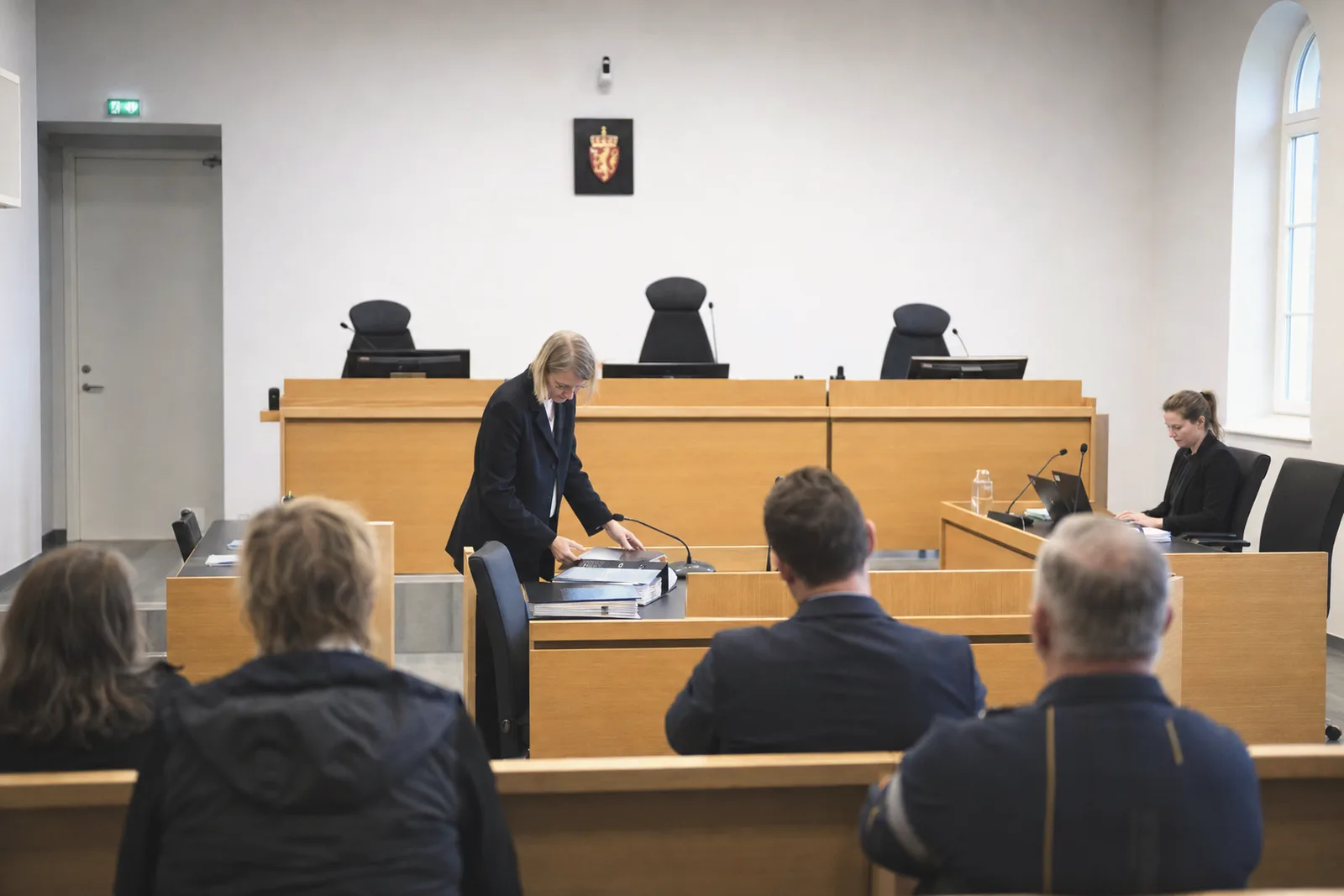
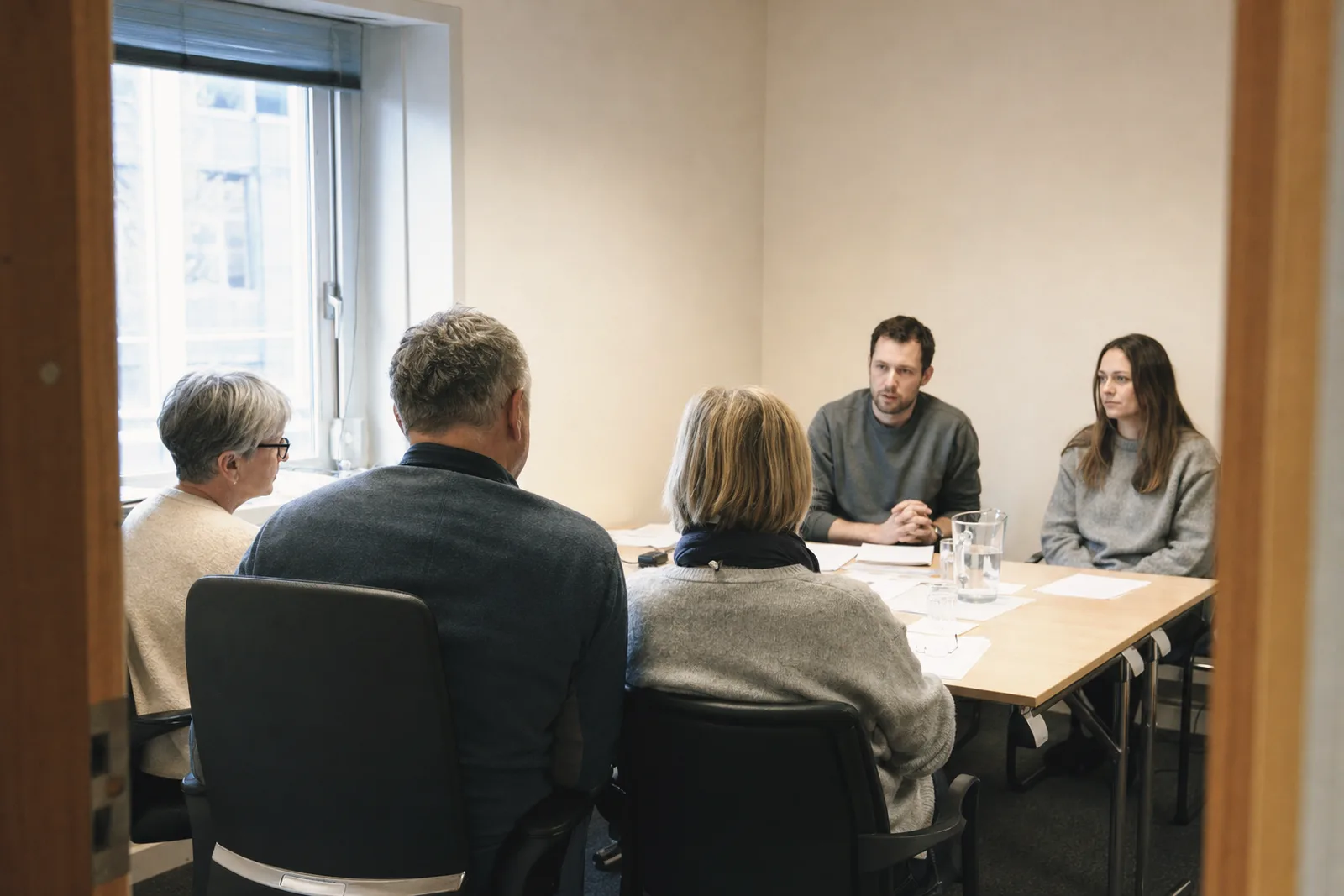
A meeting before the conciliation board is short and informal. The board consists of three lay members. Both parties briefly explain their side, and the board first tries to get you to agree. Listen to what the other side emphasises, and think in advance about what you could accept. If mediation fails, the board can give judgment if the case is sufficiently clarified, or refer the case to the district court. A settlement reached before the conciliation board has the same effect as a judgment. Bring the original documents and copies for the board and the other side.
How to write the conciliation complaint
A conciliation claim can be sent digitally or on a form from the police or the conciliation board. Write the name and address of both parties, what you claim, for example a specific amount, and why. Describe briefly what was agreed, what has happened, and why the other side owes you the money. Attach copies of the agreement, invoices and correspondence. If you have sent a demand or notice of legal action, attach that too. It is usual for the other side to be given notice before the claim is sent, and a deadline to pay or respond.
If you receive a conciliation claim against you, you must respond within the deadline in the service. If you do not respond, the conciliation board can give judgment by default. Write briefly why you dispute the claim, and attach documentation. Attend the meeting, or give notice in good time if you are unable to.
This is our members’ experience
Justice for All Norway sees that many of the large cases in the association began as small disputes. The experience is that it pays to consider early whether a case can be resolved before the conciliation board or under the small claims procedure, where the risk is low, instead of letting the conflict grow. Several members have also conducted cases before the conciliation board themselves with good results, especially when they were well prepared and had their documents in order. See representing yourself and the topic page on the courts.
Would you like to prepare a case together with others? Become a supporting member – coming soon.
Frequently asked questions
Do I need a lawyer before the conciliation board?
Usually not. The procedure is simple, and liability for costs is limited.
What is the small claims procedure?
A simplified procedure in the district court for claims below 250,000 kroner.
How much might I have to pay in legal costs under the small claims procedure?
Compensation for a lawyer is limited to 20 per cent of the value in dispute, never more than 50,000 kroner, in addition to certain other expenses.
Can I take a case against the municipality to the conciliation board?
Not when the case concerns public decisions or other matters that are not purely private-law in nature.
Sources
Published 23 November 2026 · Last updated 23 November 2026
About AI in our articlesSupporting members
Support Justice for All Norway from abroad
Membership of the association is open to people living in Norway. International supporting memberships are on their way, so that you can support our work wherever you live.
Become a supporting memberComing soon